Protecting the Next Generation of Paddock Trees
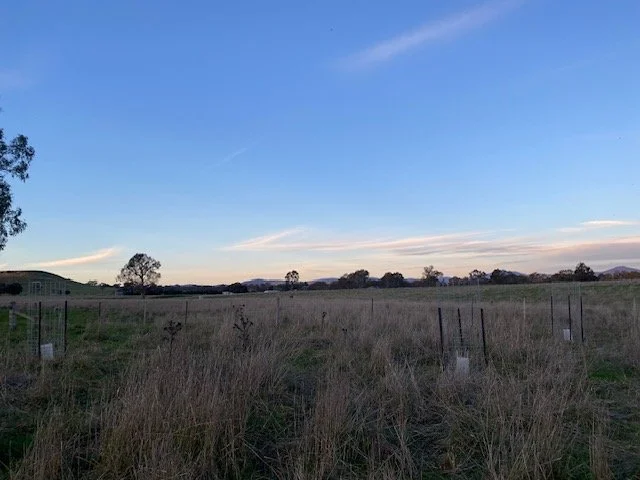
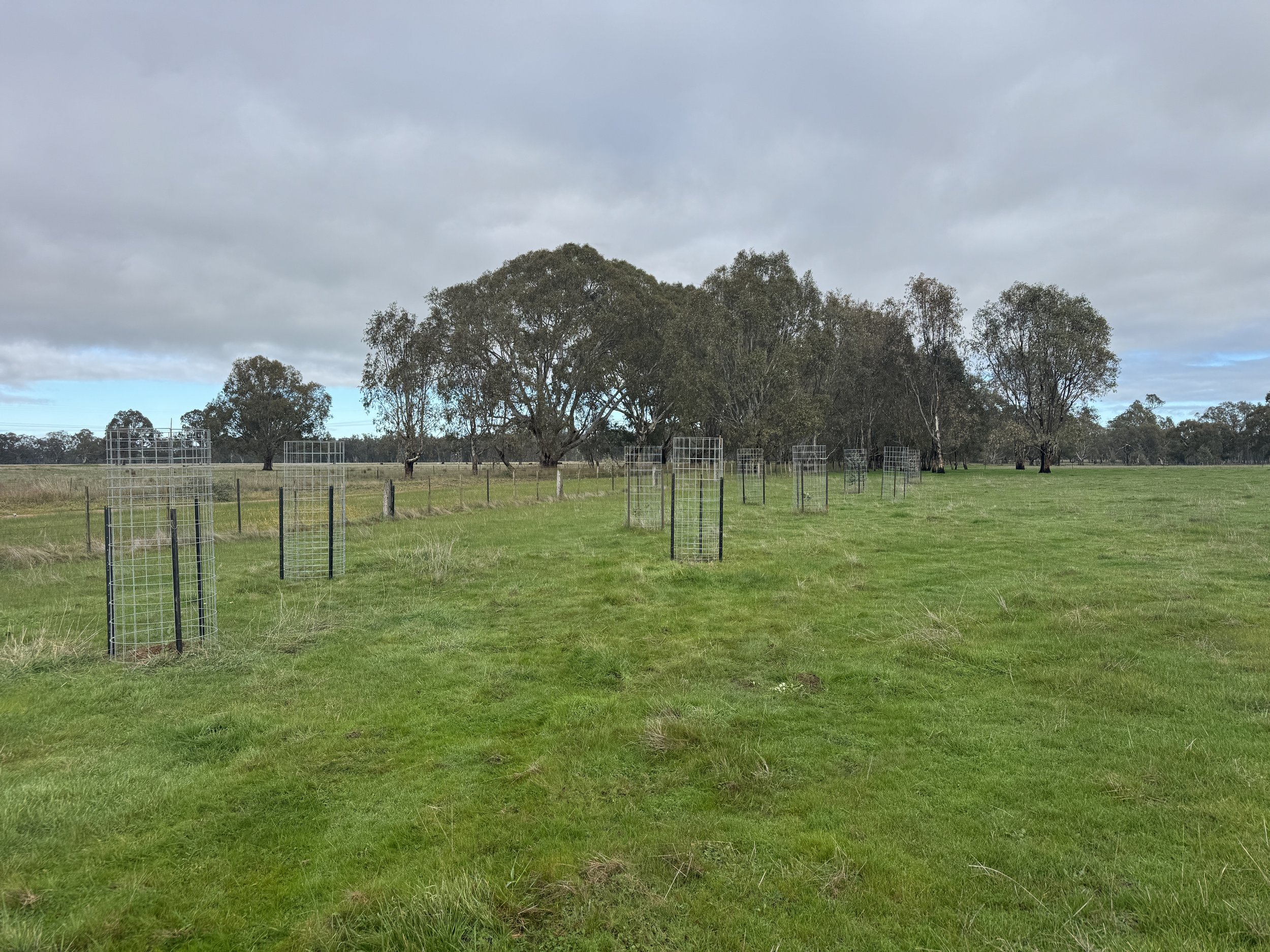
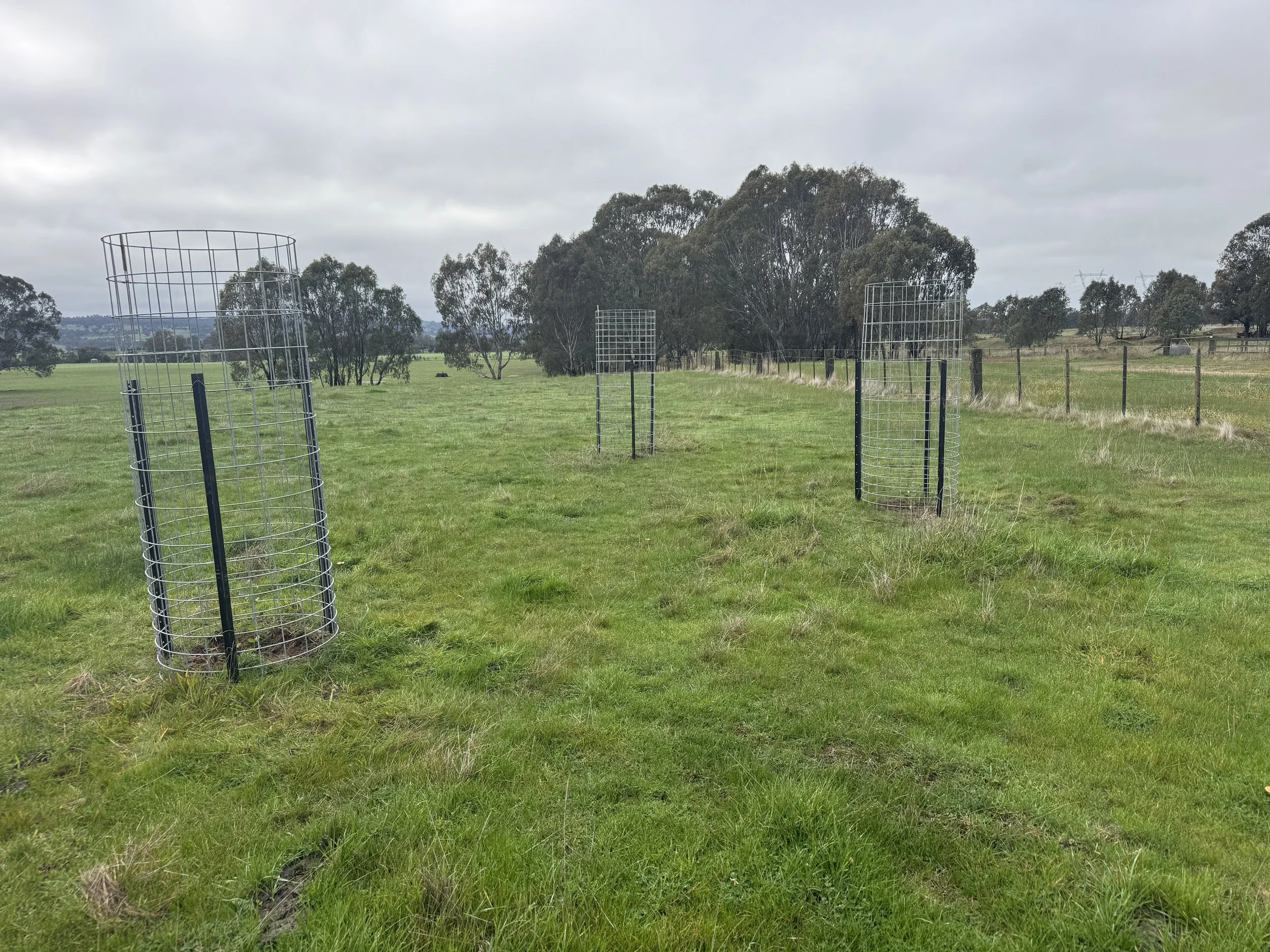
There's something quietly exciting about 99 tree guards spread across a landscape. Each one marks a spot where a landholder has made a deliberate choice — to invest in the future of their property, and the health of the broader Mansfield region.
Through the Web of Life Project, Up2Us offered subsidised stock-proof tree guards and an indigenous eucalypt seedlings to members of our Mansfield community.
Why paddock trees matter
Paddock trees are the quiet giants of our agricultural landscape. A single mature eucalypt can support hundreds of species — from woodland birds and gliding possums to insects, fungi, and the soil microbes that underpin healthy country. They provide shade and shelter for livestock, reduce wind erosion, and connect patches of remnant vegetation across the landscape.
But here's the challenge: paddock trees are aging. Many of the eucalypts dotting our grazing landscapes are old-growth survivors, with very few young trees coming through to replace them. Grazing pressure and decades of land clearing have made natural regeneration difficult. Without intervention, we risk losing this generation of trees — and everything that depends on them.
Giving the next generation a chance
That's exactly what this project set out to address. By pairing indigenous eucalypt seedlings with stock-proof guards, landholders are giving these trees a real chance to establish and grow — protected from grazing pressure during those critical early years.
It's a simple idea with a long-term payoff. The trees planted today won't reach their full ecological potential for decades, but that's precisely the point. The best time to plant them was twenty years ago. The second best time is now.
A big thank you to every landholder who took part and helped secure a greener, more resilient future for our region.
This project is supported by the Goulburn Broken Catchment Management Authority through funding from the Victorian Landcare Grants and the Victorian Landcare Program.