An Afternoon at Karlindy — Revegetation in Action
There's something truly special about seeing a big, ambitious project up close — especially when the results speak for themselves. Last week, we had the privilege of visiting Karlindy, a 136-acre property, that is well into an inspiring journey to restore the land to what it looked like before farming ever began.
Previously used for grazing and seed production, Karlindy has been undergoing a remarkable transformation. Five years in, Kas has planted an impressive 35,000 stems — predominantly trees and shrubs — with another 8,000 stems scheduled to go in this year. Ground flora species will follow in the years ahead, gradually building back the layers of a functioning native ecosystem. The project has been supported by a Bush Bank grant, which has helped make the scale of the work achievable.
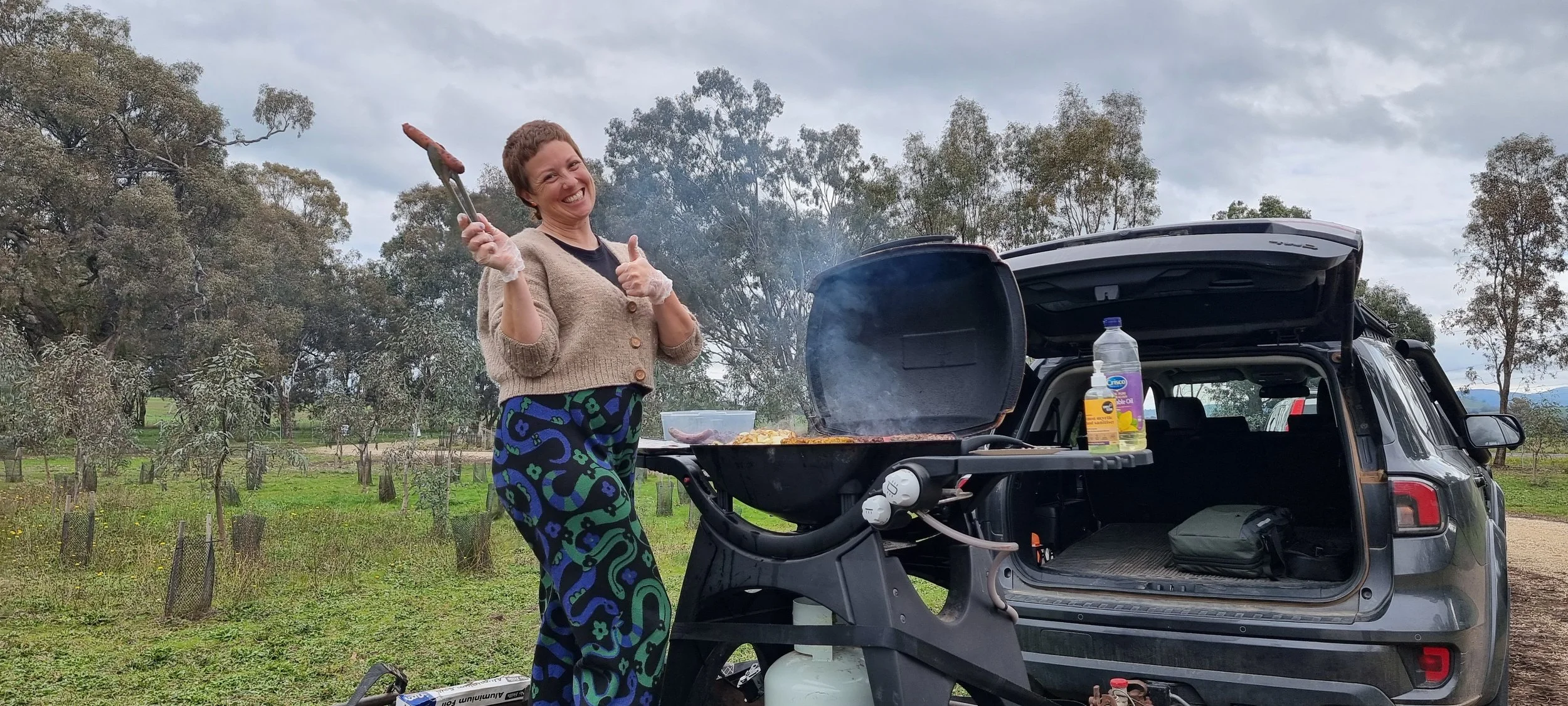
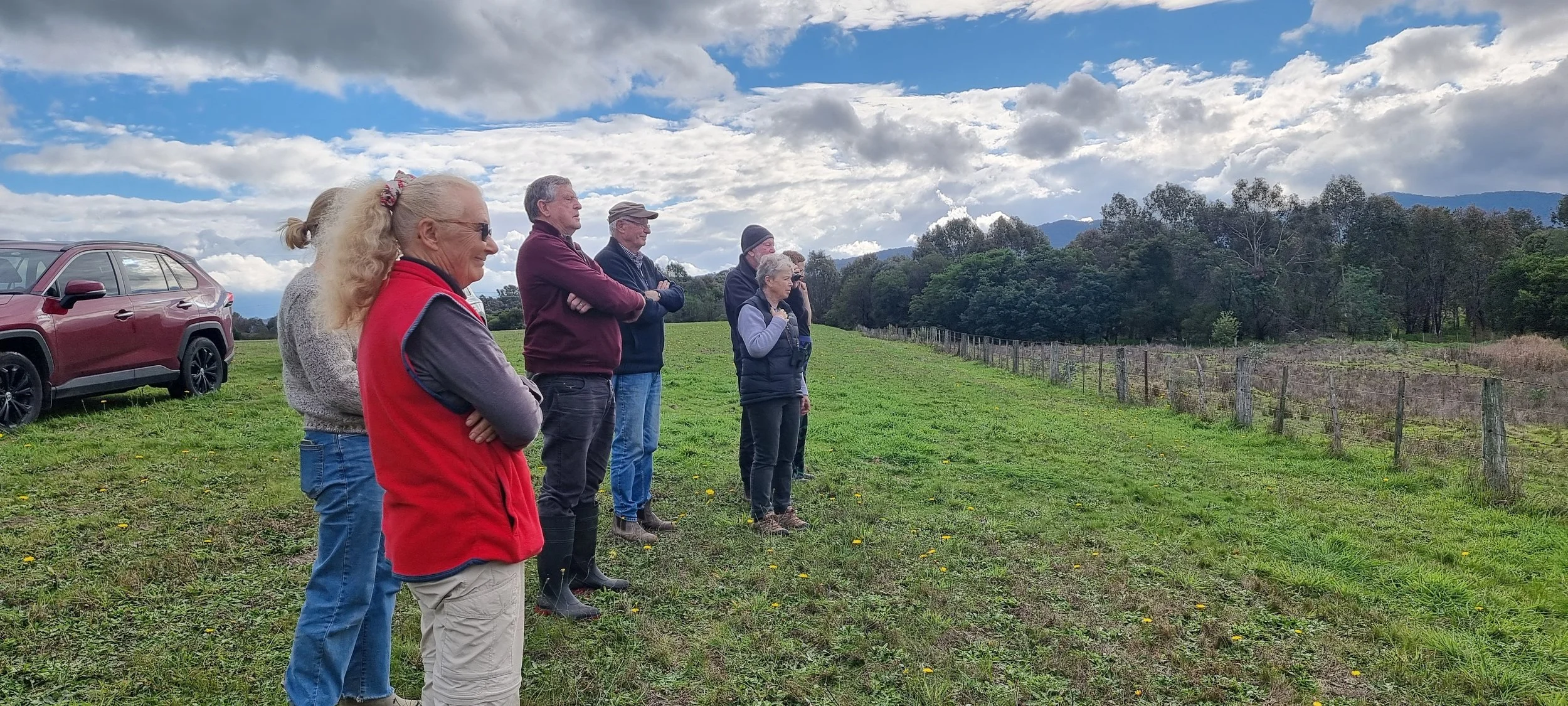
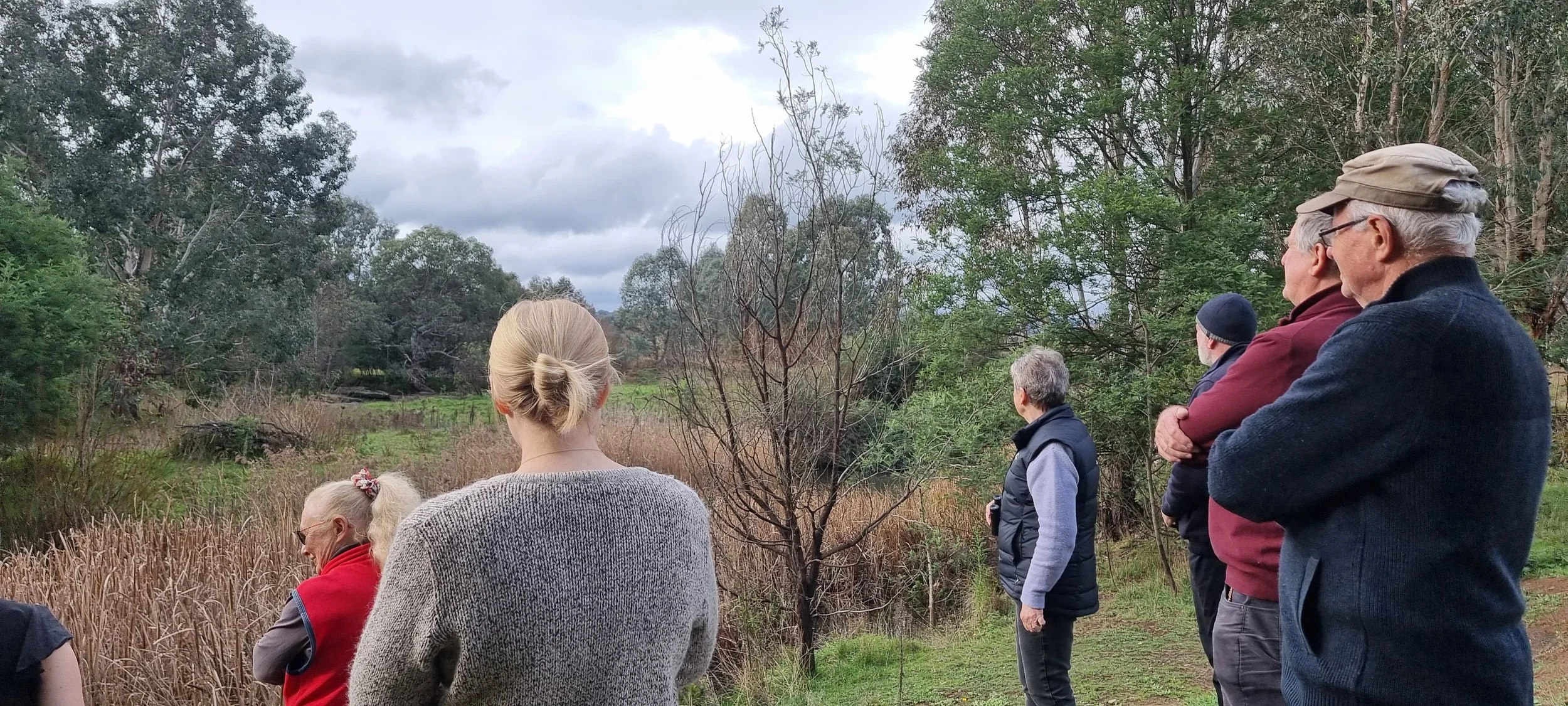
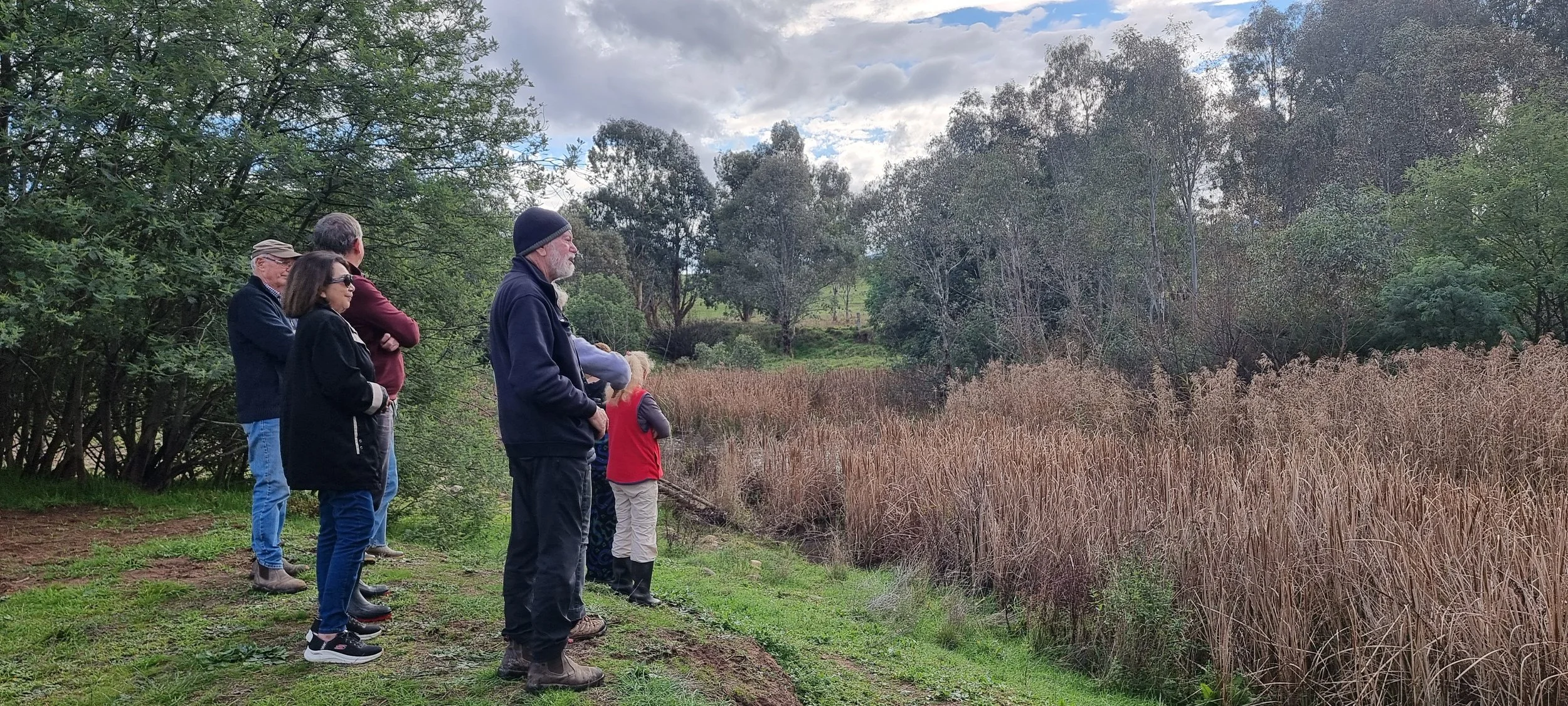
We kicked the afternoon off with a BBQ lunch before heading out for a walk and talk across the property — and what a walk it was. The group brought a wealth of experience and knowledge, and the conversations flowed freely throughout the afternoon. It was the kind of day where everyone learns something, no matter how long they've been doing this work.
One theme that came up again and again was the feeling of being overwhelmed. When you're staring down a project of this scale, it can be hard to know where to begin — or to believe that it's even possible. But Karlindy is living proof that taking it one step at a time, year after year, really does add up to something extraordinary. Seeing that in person had a visible impact on the group, shifting the conversation from "how could you ever tackle something like this?" to "maybe we can."
That energy carried through to something pretty wonderful. It is a testament to the power of getting out into the landscape together and seeing what's possible firsthand.
A heartfelt thank you to Kas and Selina for so generously opening up their property and sharing their story with us. Afternoons like this are what it's all about.
This project is supported through funding from the Australian Government's Future Drought Fund and the Natural Heritage Trust under the Climate-Smart Agriculture Program.