🌿 Celebrating National Eucalypt Day
National Eucalypt Day is celebrated on Monday 23 March, providing a wonderful opportunity to recognise and appreciate one of Australia’s most iconic and important groups of trees. Eucalypts are such a familiar part of our landscape that we sometimes overlook just how vital they are to the health of our environment.
Across Australia there are more than 700 species of eucalypts, and they play a critical role in supporting biodiversity. Their flowers provide nectar for birds, bees and insects, their leaves feed specialised wildlife such as koalas and possums, and their hollows provide essential nesting sites for parrots, owls, bats and gliders. Many of these hollows take more than a century to form, making mature trees incredibly valuable habitat.
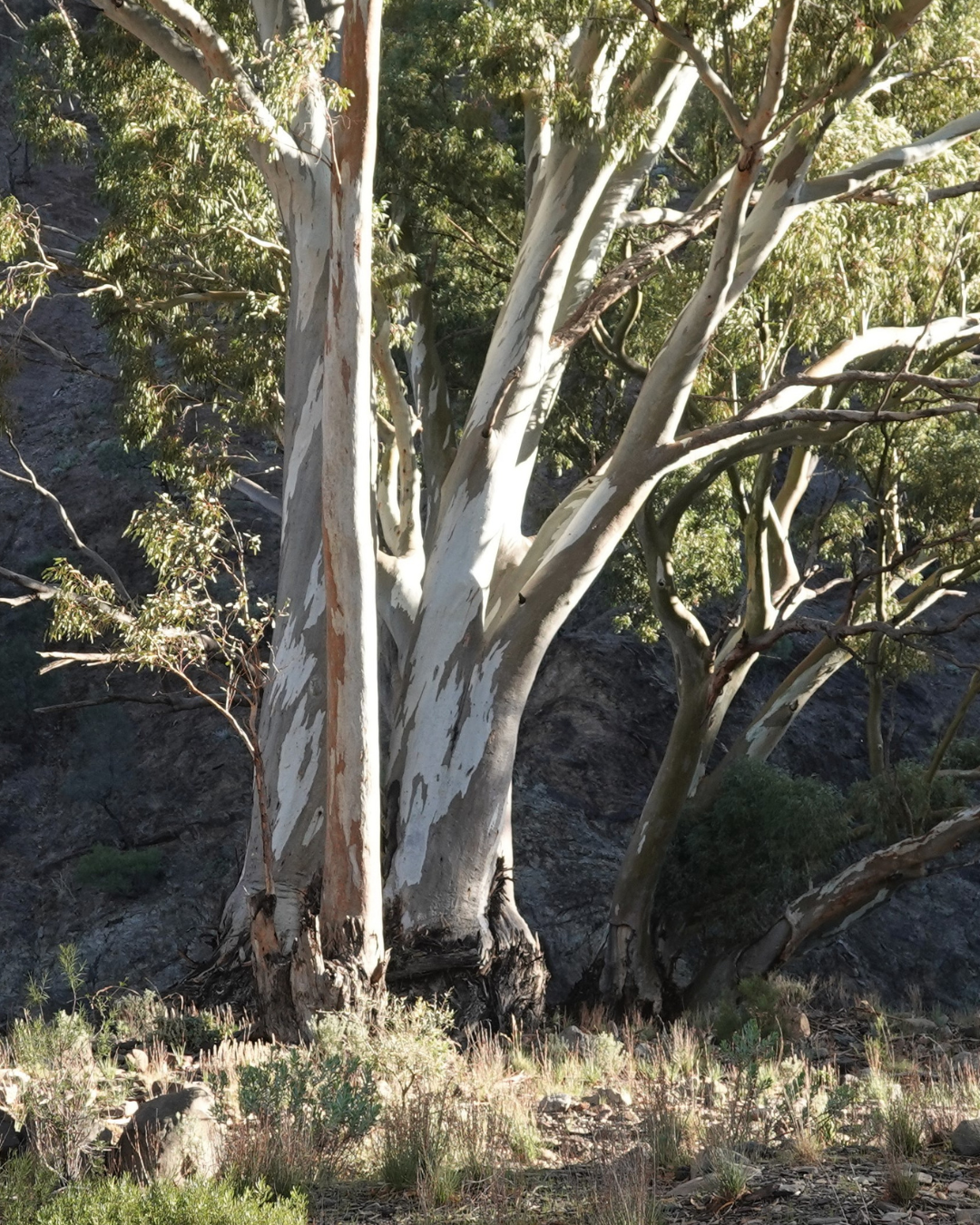
Here in the Mansfield region, several eucalypt species are defining features of our local landscape. The River Red Gum (Eucalyptus camaldulensis) is one of the most recognisable trees along our waterways. With its striking smooth trunk and spreading canopy, it provides shade, stabilises riverbanks and supports a huge range of wildlife that depend on healthy riparian ecosystems.
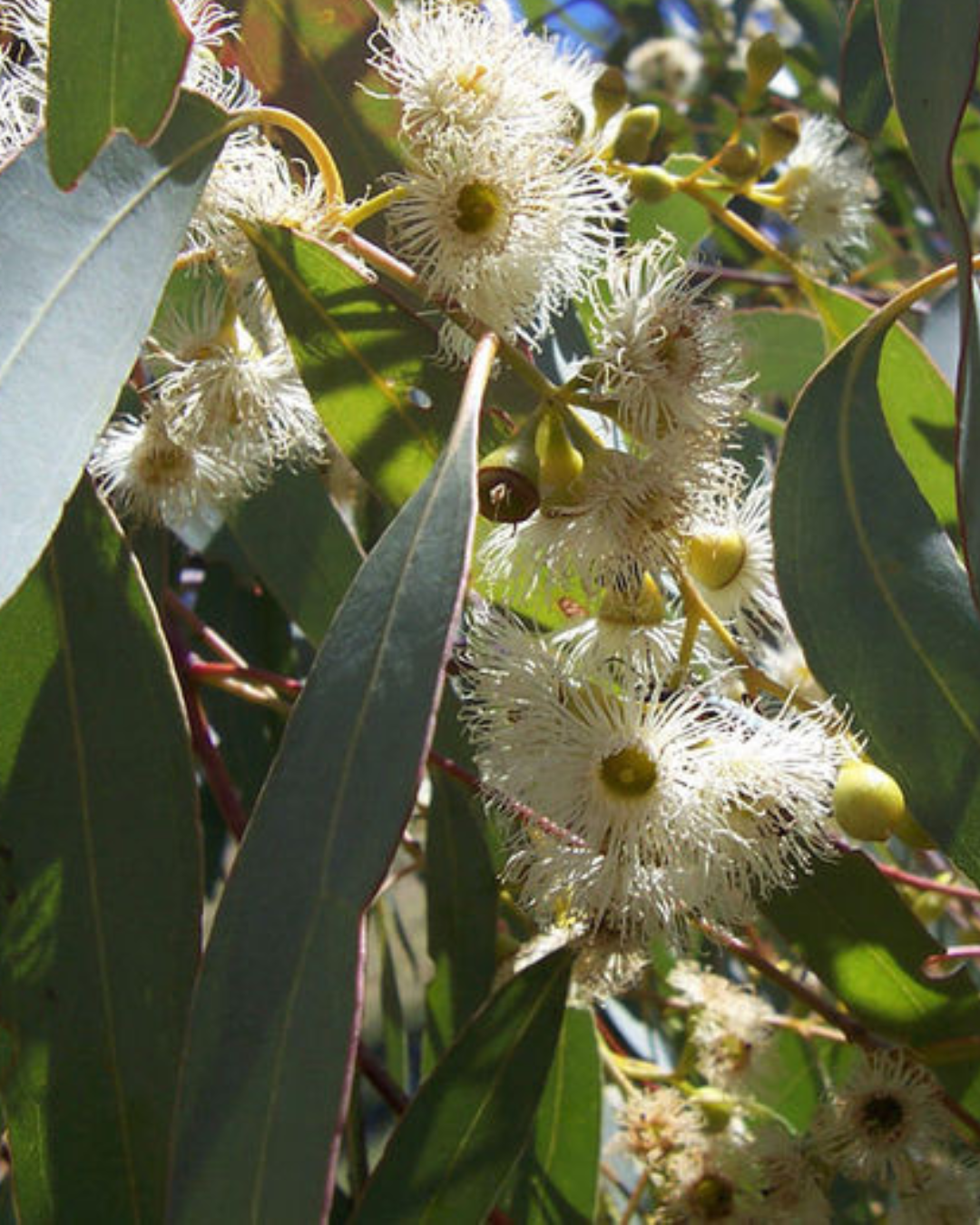
Another important local species is the Yellow Box (Eucalyptus melliodora), well known for its nectar-rich flowers that attract bees, birds and other pollinators. Yellow Box woodlands are an important ecological community across south-eastern Australia and provide valuable habitat for many native species.
Beyond their ecological value, eucalypts are deeply embedded in the Australian identity. Their distinctive scent after rain, the sound of wind through their leaves, and the sight of their silhouettes across paddocks and hills are all part of the character of the landscapes we live in.
This National Eucalypt Day, take a moment to look around and notice the eucalypts in your local area. Whether it’s a towering River Red Gum along a creek or a Yellow Box flowering in a paddock, these remarkable trees quietly support an entire web of life.
Which is your favourite eucalypt and why? We’d love to hear from you—share your favourite species, stories or photos with us.