Life After Fire: Nature Finds Its Way Back
In the weeks following a fire, the landscape can appear quiet and lifeless. Burnt ground and blackened trees make it hard to imagine wildlife and vegetation returning.
Two months on, our trail cameras and field observations are showing hopeful signs.
Wildlife Returning
Our footage captures a ringtail possum emerging from a nest box and a microbat visiting, highlighting how these animals are starting to reclaim parts of their habitat. Nest boxes and other artificial shelters play an important role in providing safe places for wildlife while natural hollows and dense vegetation regenerate.
Forest Regeneration
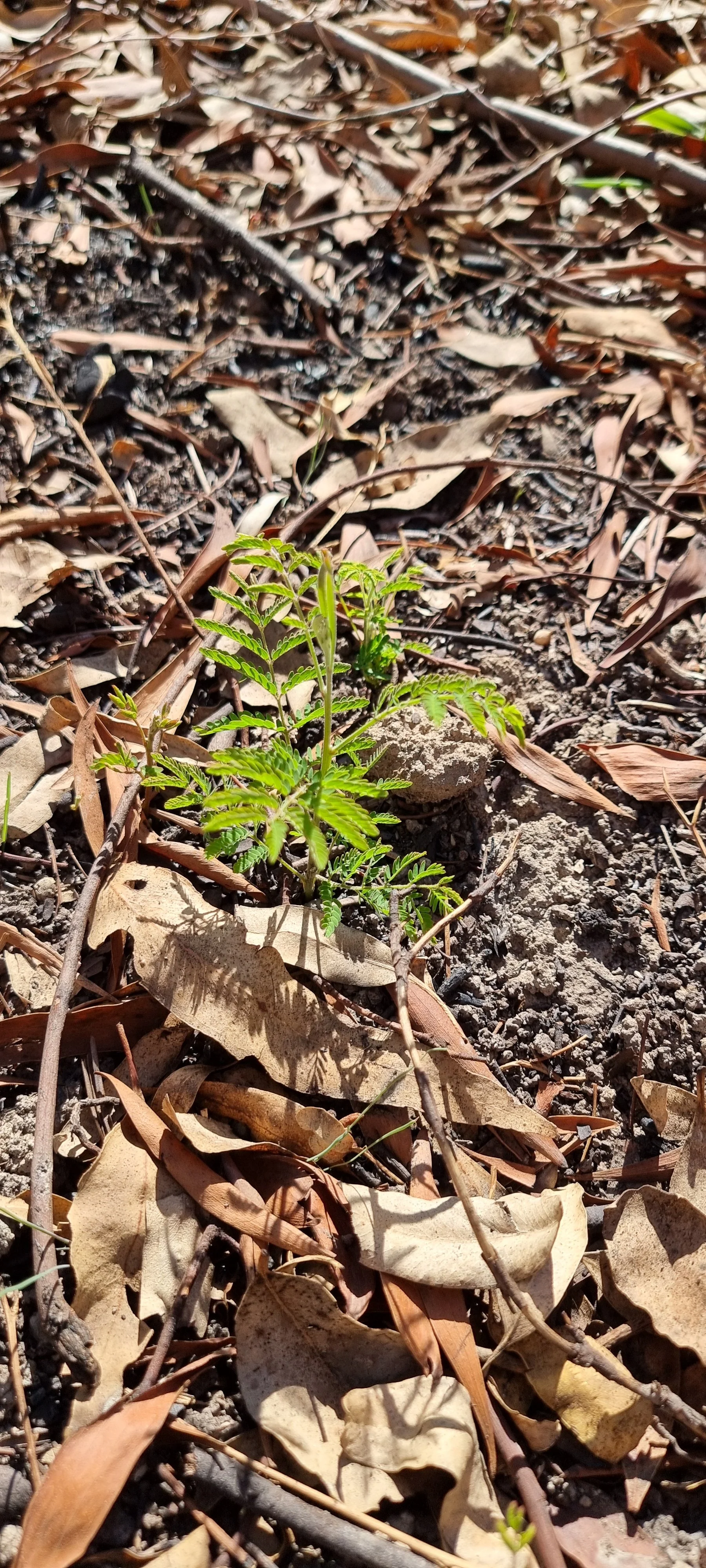
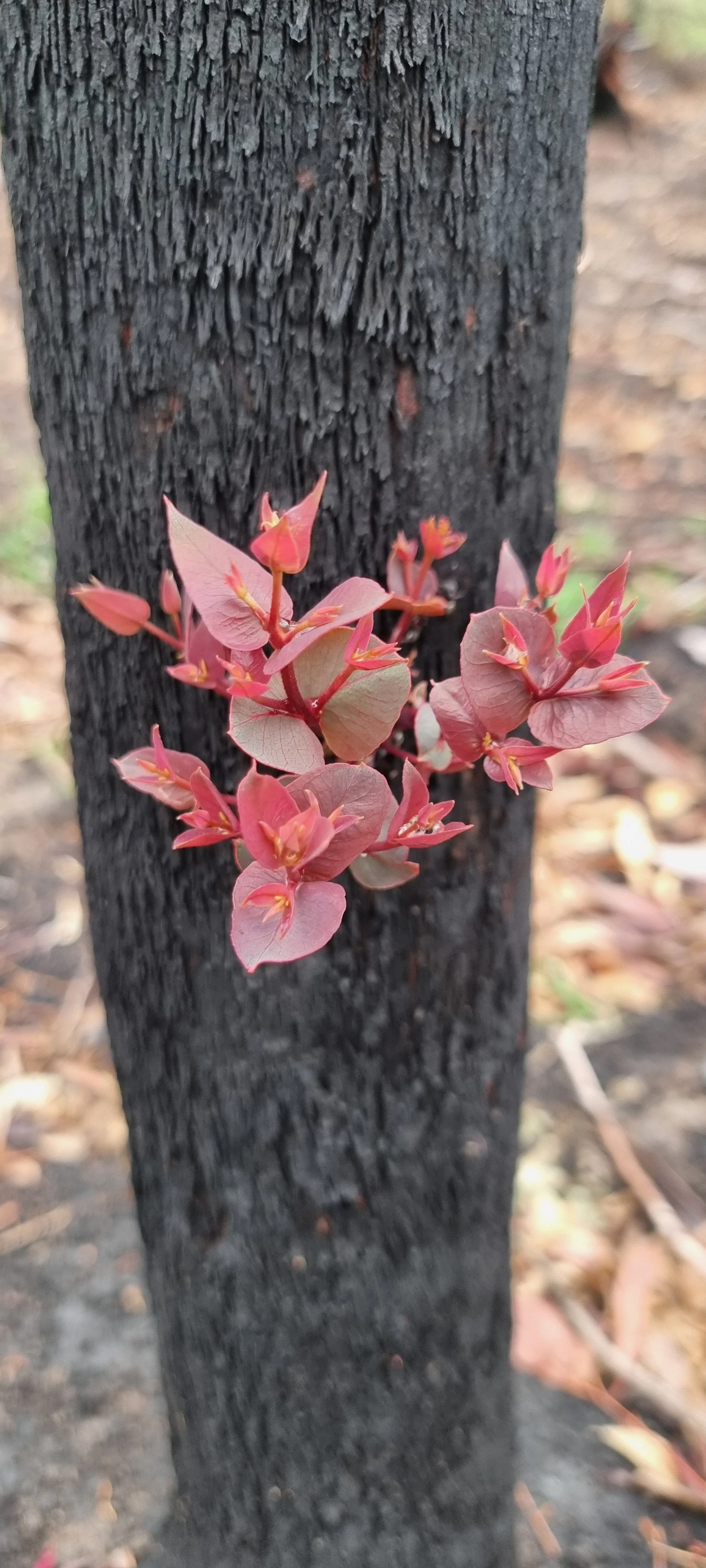
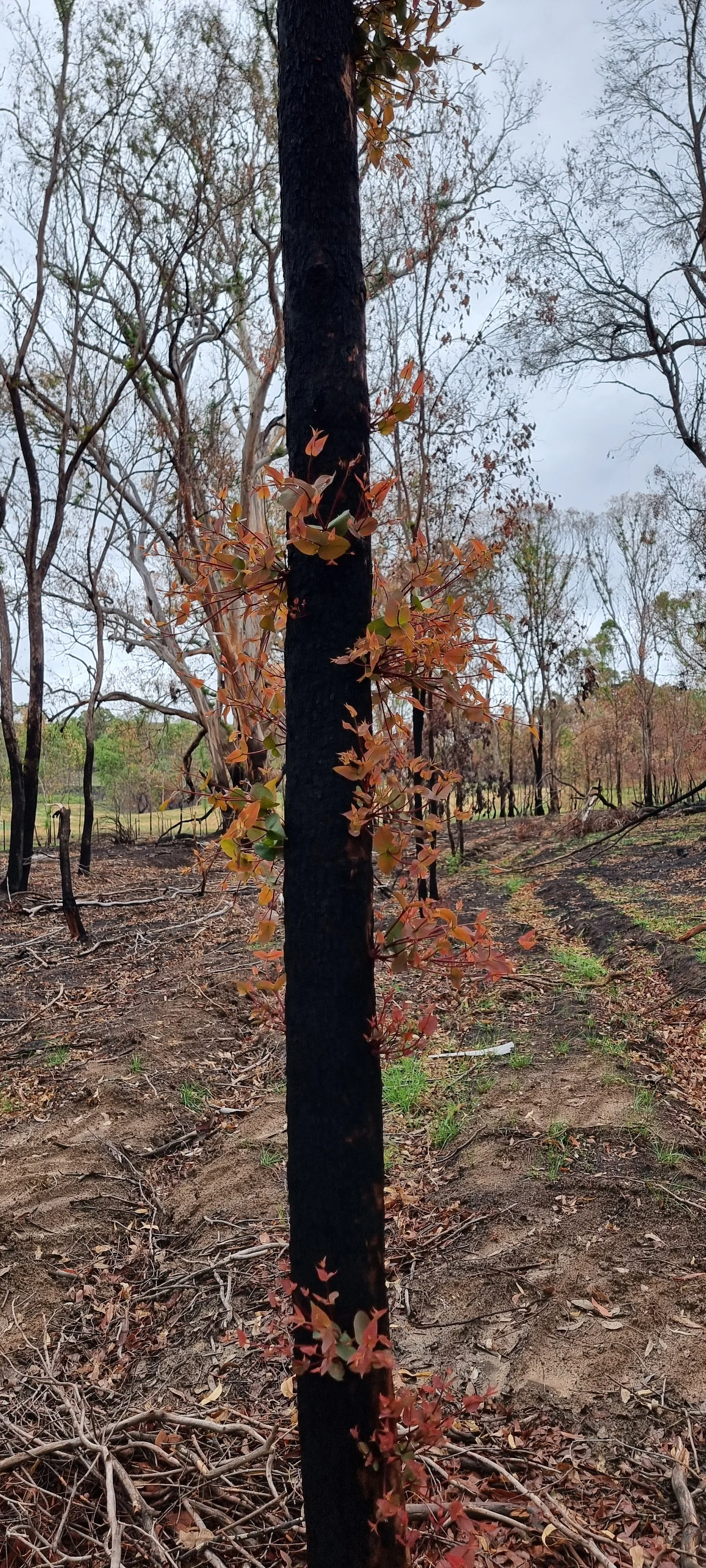
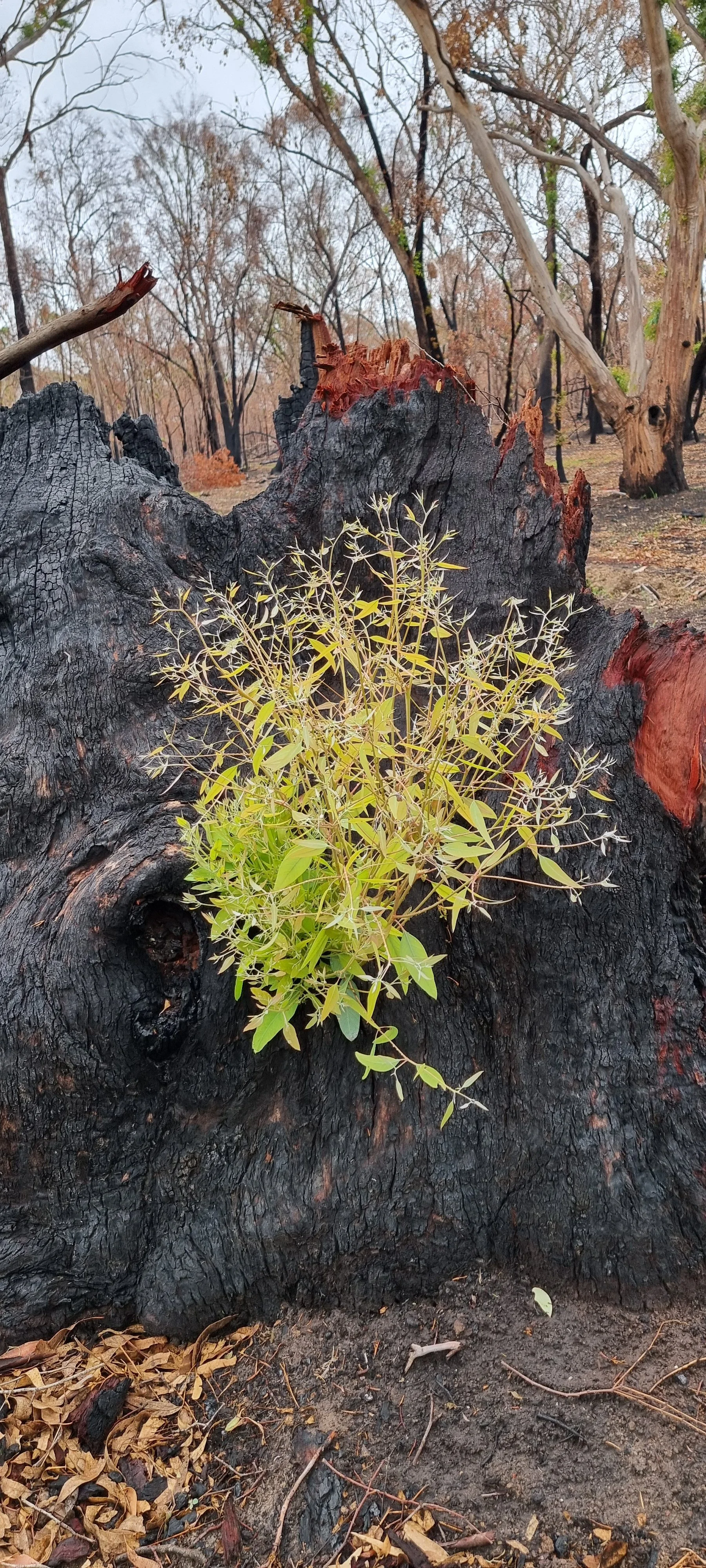
The forest is quietly bouncing back. Young shoots and new growth are appearing on the trees, reminding us that life is resilient. Recovery isn’t only about animals — the return of vegetation is equally vital, as it provides food, shelter, and protection for wildlife.
Why Small Interventions Matter
While nothing can immediately replace the habitat lost in a fire, nest boxes and other temporary structures help give wildlife a head start. They can support a wide range of species and help ecosystems begin to recover faster.
Seeing these small signs — a possum using a shelter, a microbat flying overhead, new shoots on trees — gives us hope and a glimpse into the resilience of nature.
Nature is finding its way back, one small moment at a time.