Women in Ag: Exploring the Benefits of Biodiversity on Farms
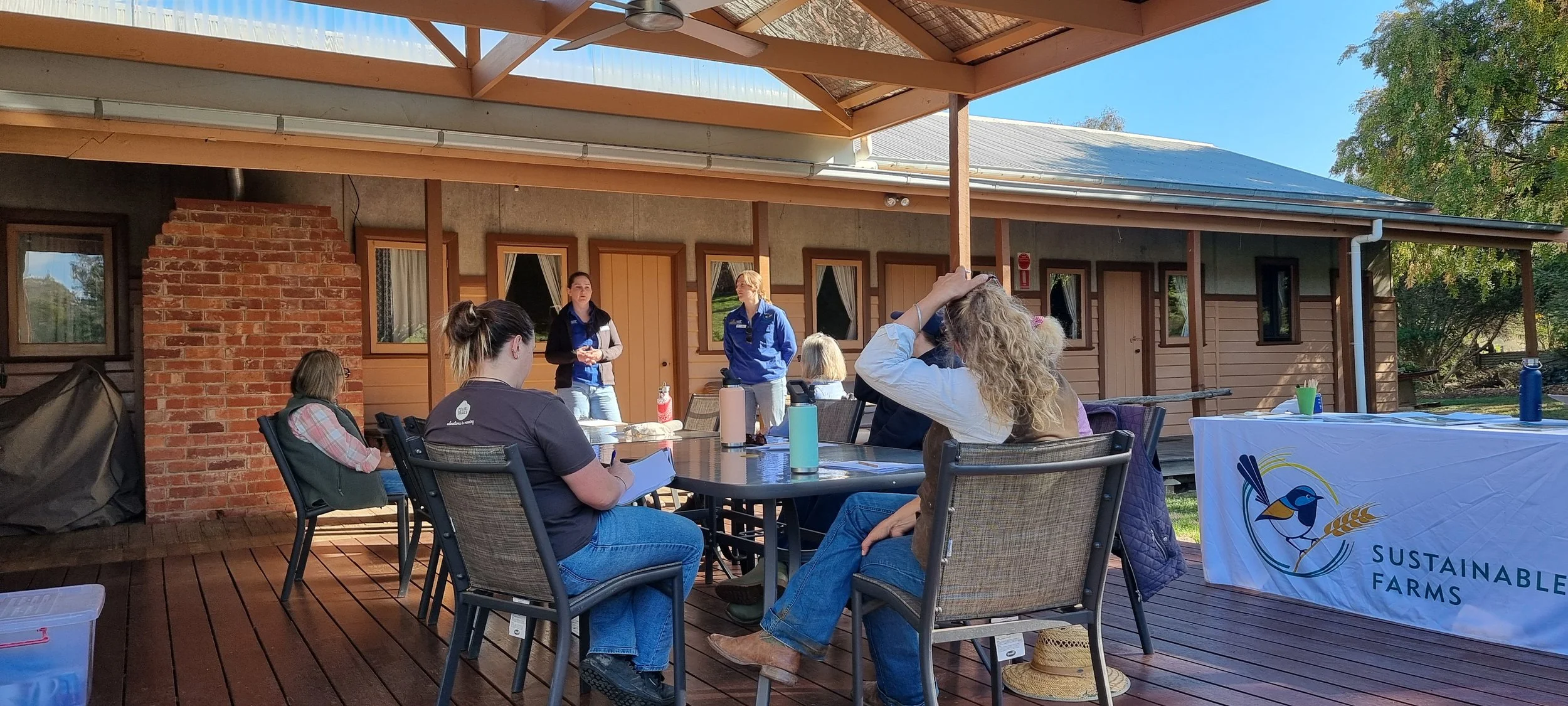
Our latest Women in Ag field day brought together a fantastic group of local landholders for a hands-on look at the role biodiversity plays in productive and resilient farming systems.
Hosted on a beautiful local property, the morning was guided by Angelina and Erin from ANU Sustainable Farms, who shared insights from their long-term research into how natural assets can support both farm productivity and ecological health.
A big thank you to Erica for generously hosting us and opening up her property for the day.
Starting with a Paddock Giant
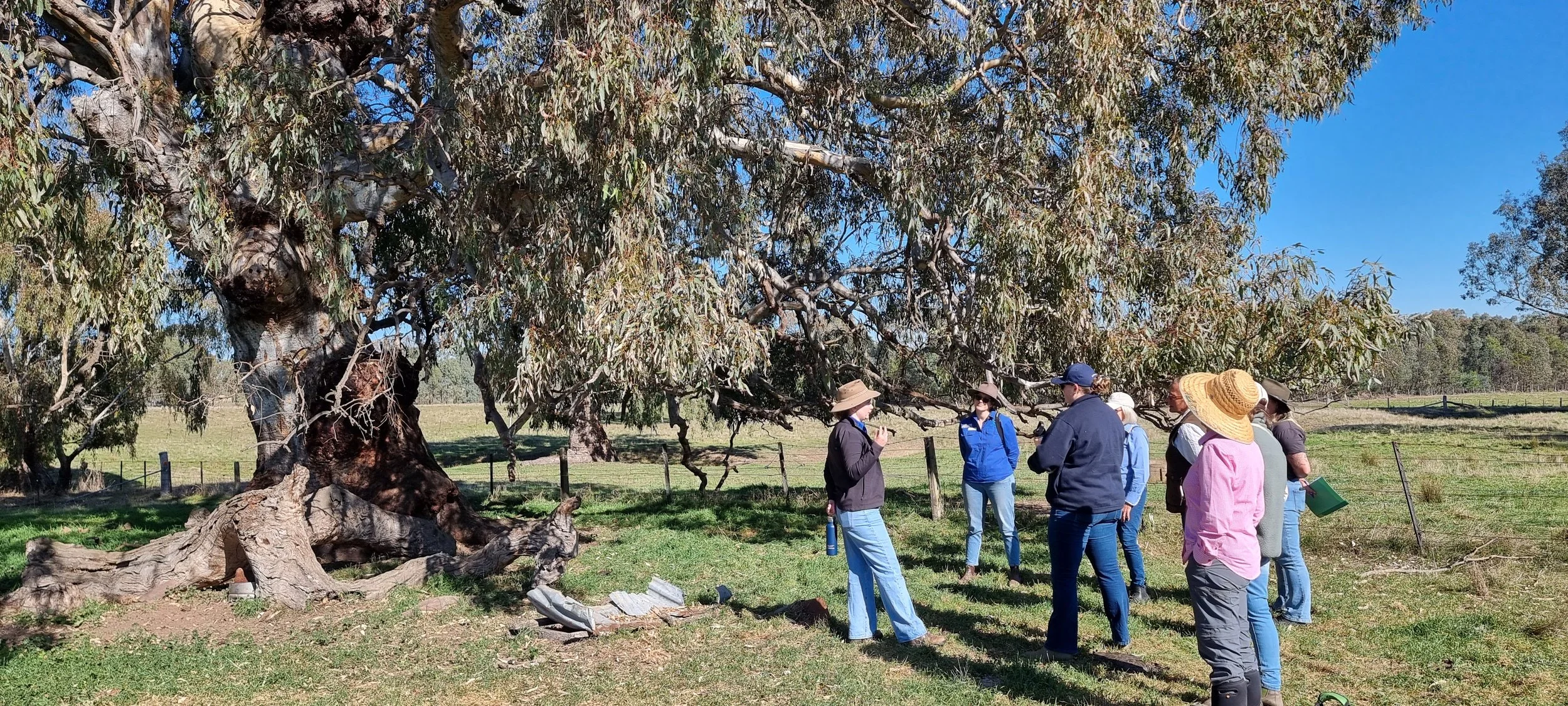
We began at a magnificent paddock tree — a River Red Gum, believed to be several hundred years old. These remnant trees are far more than just a feature in the landscape; they are critical habitat.
Often described as “stepping stones” or even “service stations” for wildlife, paddock trees provide:
Nesting hollows for birds and mammals
Shelter from weather extremes
Food sources such as insects, nectar, and seeds
Shade for livestock and pasture
Connectivity across fragmented landscapes
While standing beneath this incredible tree, we were lucky enough to hear pardalotes actively calling and moving through the canopy — a great reminder of just how alive these trees are.
A key discussion point was the importance of protecting these existing natural assets first, before looking at ways to enhance them through revegetation and improved management.
Shelterbelts: More Than Just Windbreaks
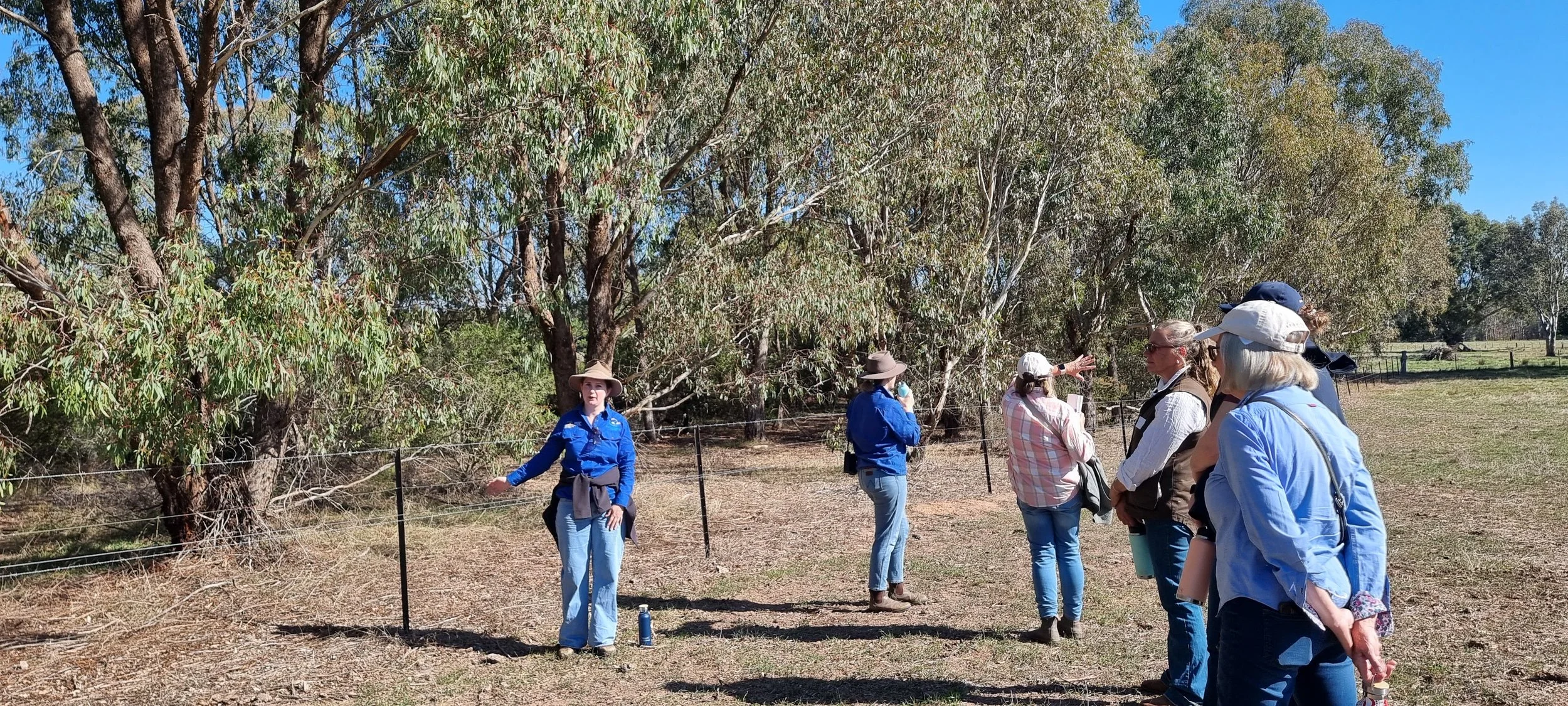
We then moved on to explore shelterbelts and the multiple benefits they bring to farms.
Beyond acting as windbreaks, well-designed shelterbelts can:
Reduce wind stress on livestock and crops
Improve pasture growth and moisture retention
Moderate temperature extremes
Provide habitat and movement corridors for wildlife
Support pollinators and beneficial insects
The group discussed practical considerations for establishing and managing shelterbelts to maximise both agricultural and biodiversity outcomes.
The Hidden Value of Farm Dams
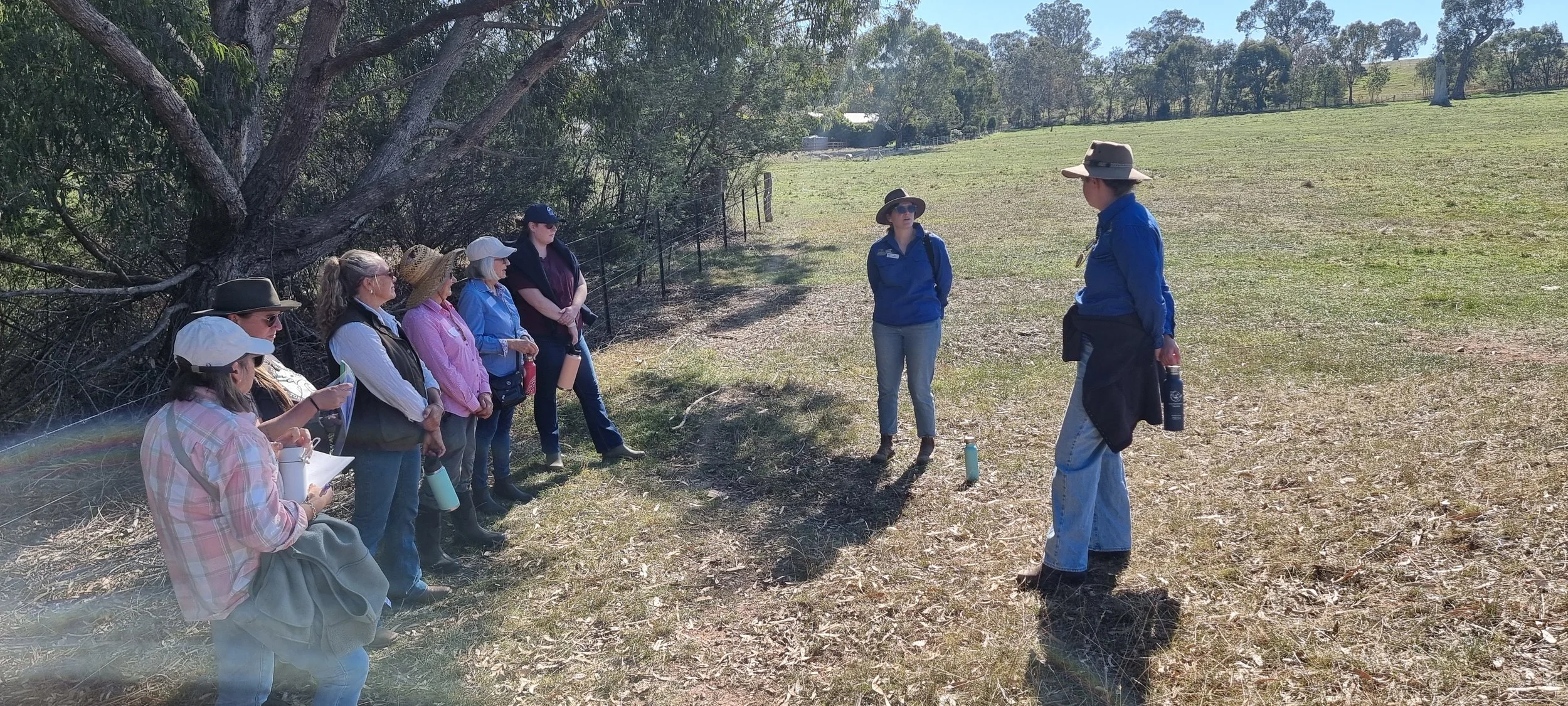
Our final stop was the farm dam, where we explored how these everyday farm features can become biodiversity hotspots.
Healthy, well-managed dams can:
Provide vital water sources for birds, mammals, and insects
Support frogs and aquatic life
Attract pollinators and beneficial species
Improve water quality when fenced and vegetated
Reduce erosion and sediment runoff
Create microhabitats through native plantings around the edges
Reduce greenhouse gas emissions
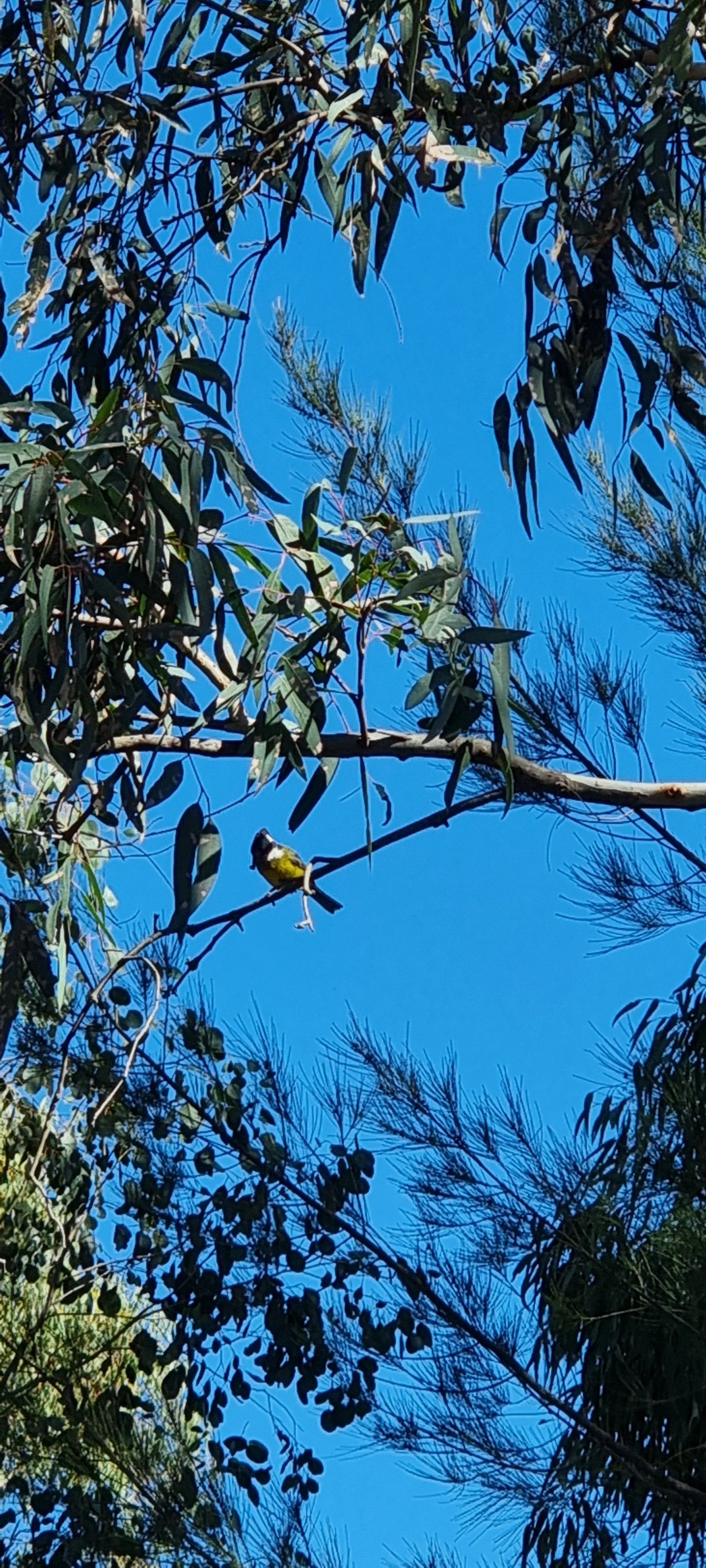
While at the dam, we were treated to a real highlight — spotting four crested shrike-tits moving through the nearby shelterbelt.
Wrapping Up
We finished the morning with a relaxed morning tea and plenty of conversation, giving everyone the chance to reflect on what they’d seen and how they might apply it back on their own properties.
A big thank you again to Angelina and Erin from ANU Sustainable Farms for sharing their knowledge, and to Erica for hosting such a wonderful field day.
Events like this are a great reminder that supporting biodiversity on farms isn’t just good for the environment — it’s an investment in healthier, more resilient farming systems.
This project of the Regional Drought Resilience Planning program received funding from the Australian Government’s Future Drought Fund and the Victorian Government.