Tracking the Bogong Moth’s Big Journey
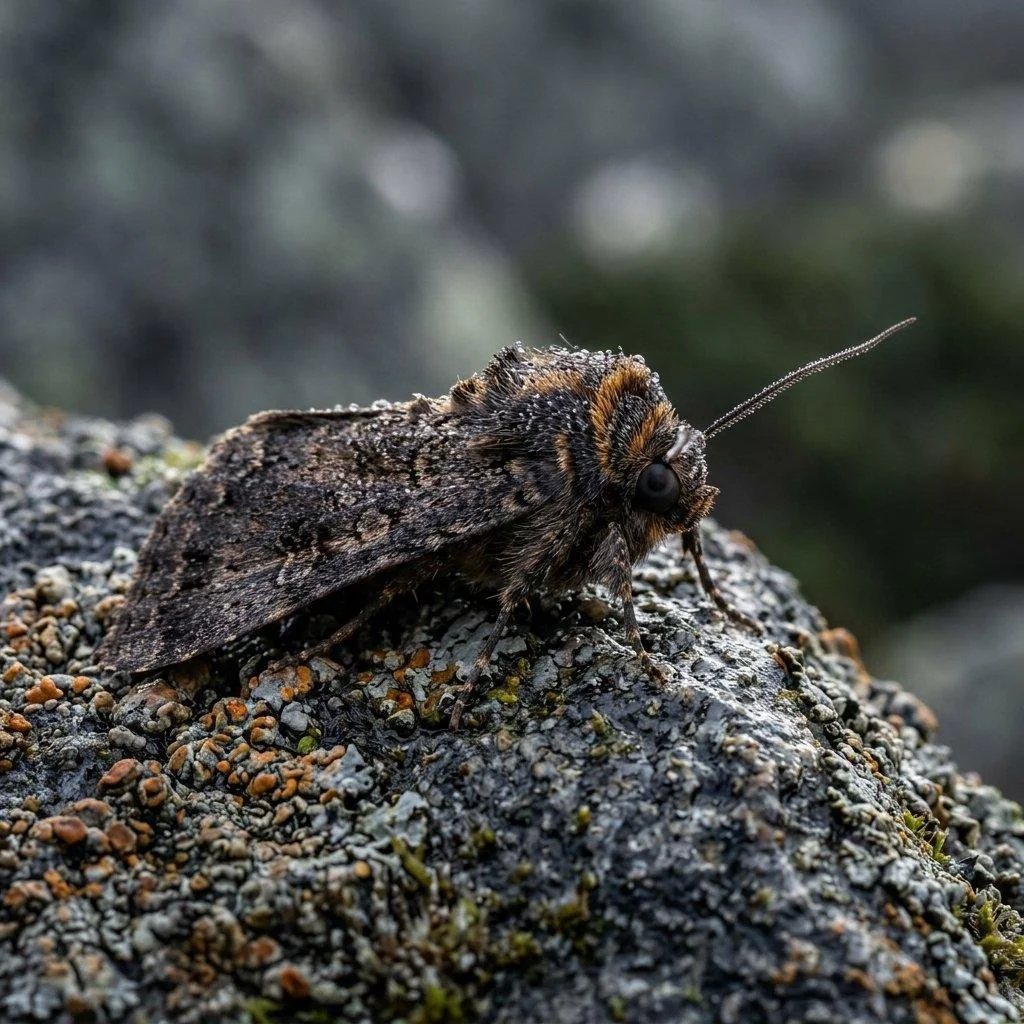
Each spring, millions of Bogong moths make an incredible journey across eastern Australia, travelling hundreds of kilometres to the cool mountains of the Australian Alps.
For North East Victoria, these small brown moths are an important part of both the natural and cultural landscape. After arriving in the High Country, Bogong moths shelter in caves, rock crevices and beneath boulders, spending the warmer months in the cool alpine environment.
The moths are an important food source for many alpine animals, including the critically endangered mountain pygmy-possum. Their seasonal arrival brings a significant pulse of food into the alpine ecosystem.
Bogong moths also have a deep cultural significance for First Nations peoples of the Australian Alps. For thousands of years, Aboriginal groups travelled into the mountains during the moth season, gathering to harvest the moths as an important food source and to maintain cultural connections, trade and ceremony.
In recent years, Bogong moth numbers have declined dramatically, making their migration an important reminder of the health and interconnectedness of our alpine ecosystems. Scientists are working to better understand what is happening to these remarkable insects and how their decline may affect the ecosystems and species that depend on them.
Help track the Bogong moth migration
One of the easiest ways we can all help is by recording Bogong moth sightings through Moth Tracker, a citizen science project run by Zoos Victoria.
Recording sightings helps scientists build a better picture of where Bogong moths are being seen and when they are arriving and moving through different parts of Australia. This information helps researchers understand their migration and how many moths may make it to the alpine mountains each year. Zoos Victoria verifies submitted sightings and shares the data with experts, partners and government to support research and conservation efforts.
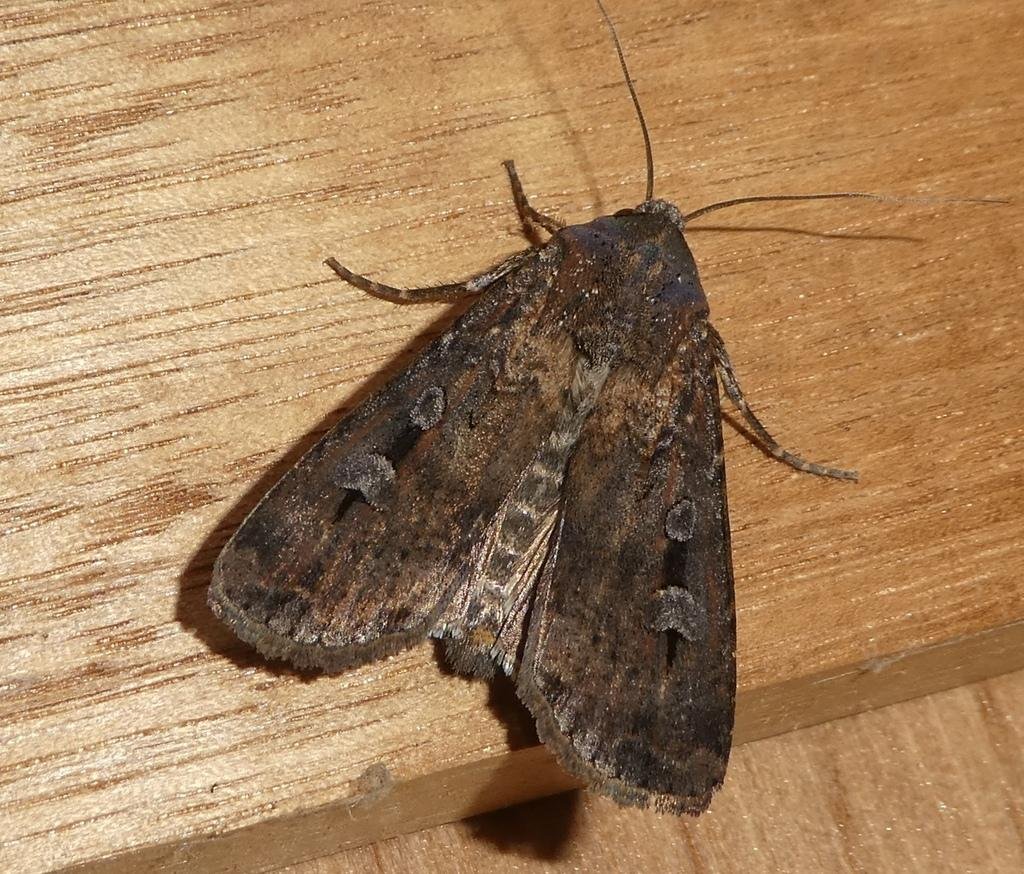
You don't need to be an expert to take part. If you spot a moth that you think might be a Bogong moth, simply take a photo and upload it to Moth Tracker. Even if you're not sure you've found one, you can submit your photo and the Zoos Victoria team will check it for you.
Bogong moths are small, around 2.5–3.5 cm long, and have distinctive markings on their wings, including a dark stripe with a circular spot and a kidney-shaped spot. They can be spotted around homes and gardens, resting during the day or flying at night.
Submit your Bogong moth sighting through Moth Tracker
There are also simple things we can do to help moths on their journey. During their migration periods, turning off unnecessary outdoor lights at night can reduce light pollution and help moths navigate. Planting native flowers and avoiding insecticides can also provide benefits for moths and other insects.
For those of us living in North East Victoria, the Bogong moth is a small but remarkable part of the story of our High Country — connecting the mountains, wildlife and people across generations. By keeping an eye out and recording what we see, we can all contribute to understanding and protecting this incredible species.