Weeds are often seen as a problem to be removed, but they can also tell landholders a great deal about what is happening in their soil and across the wider landscape.
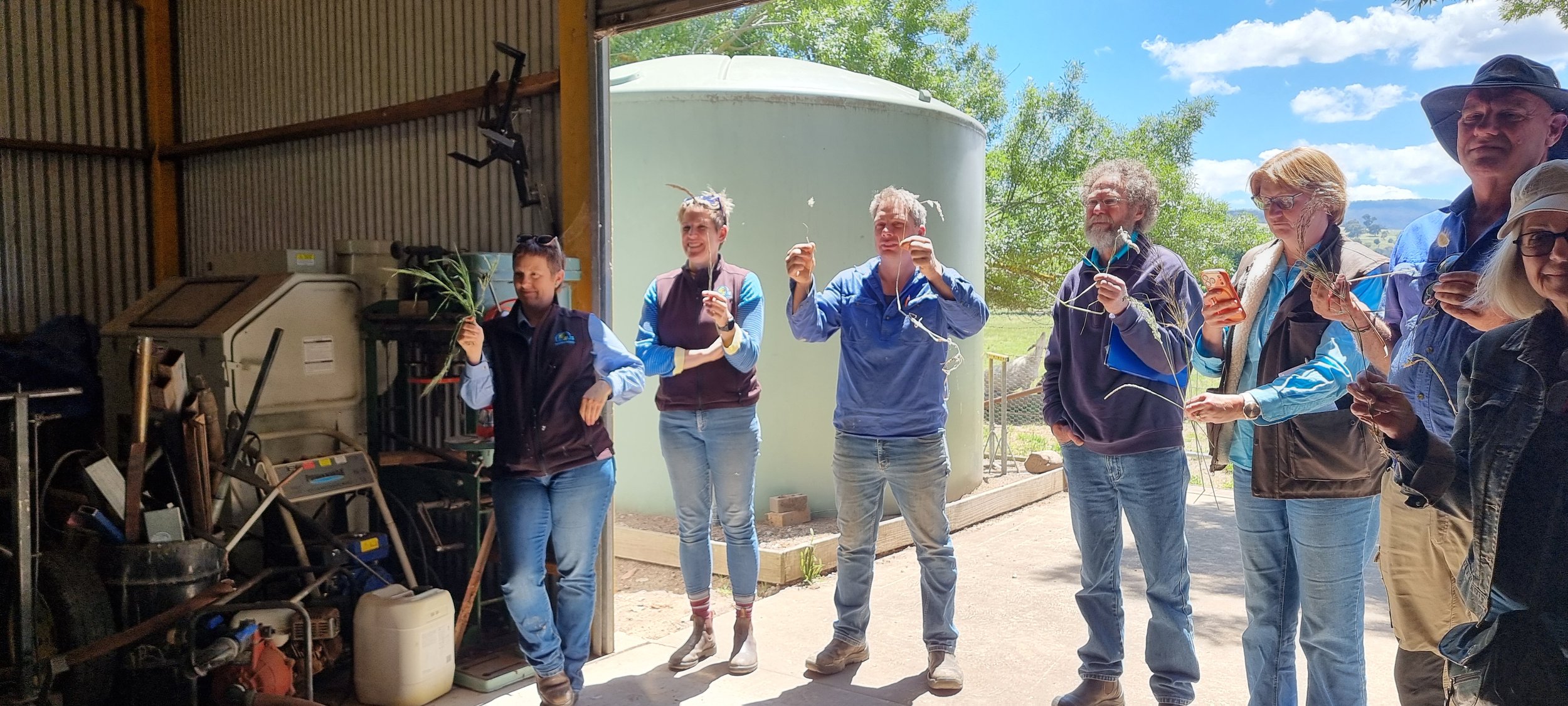
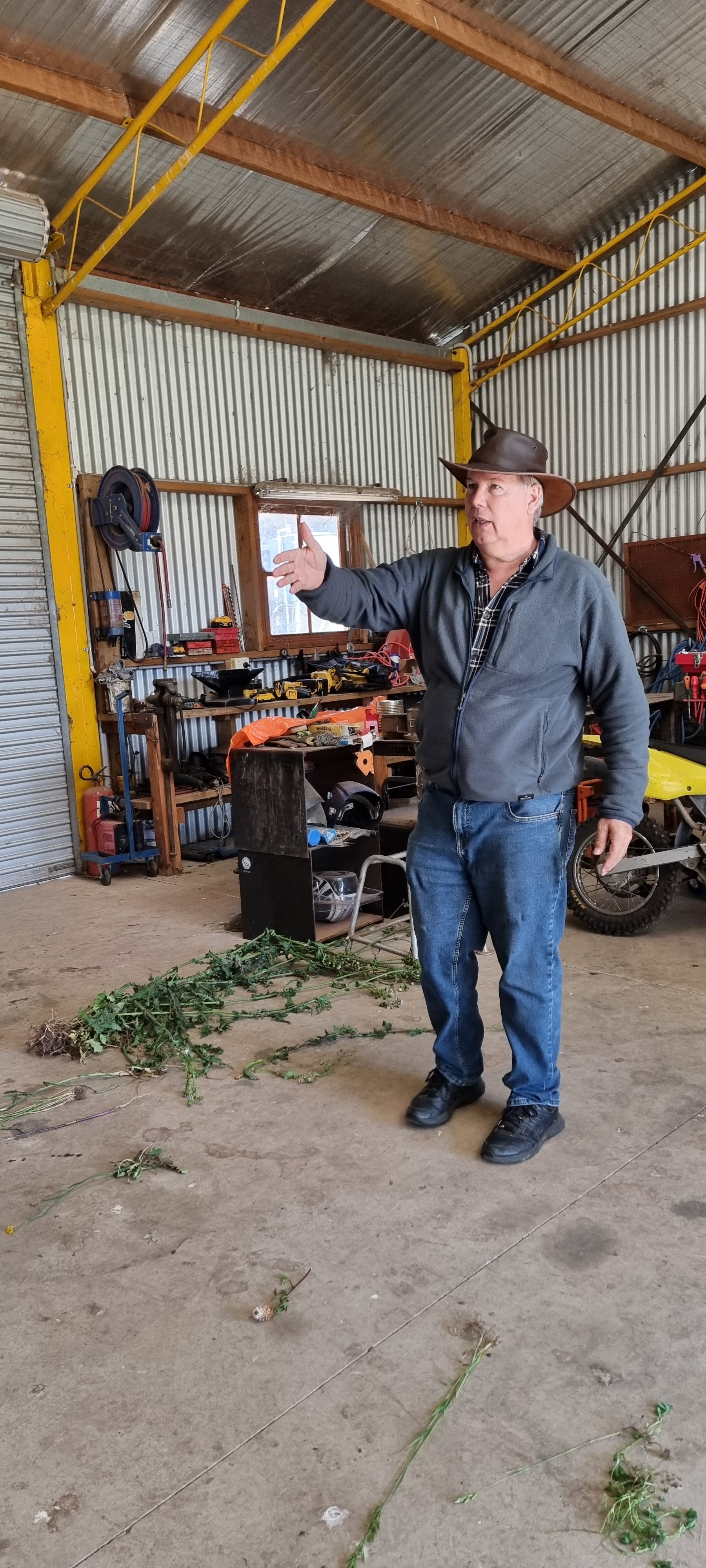
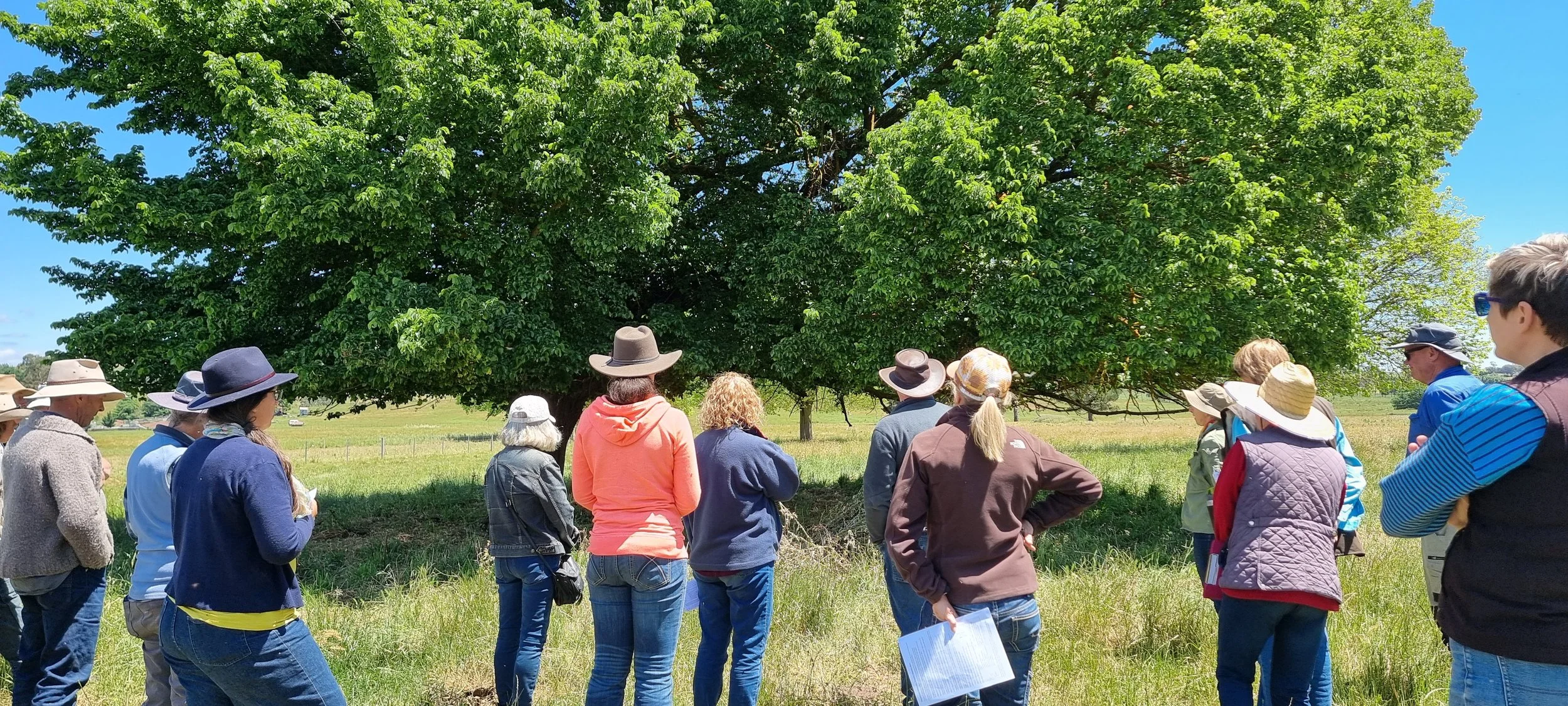
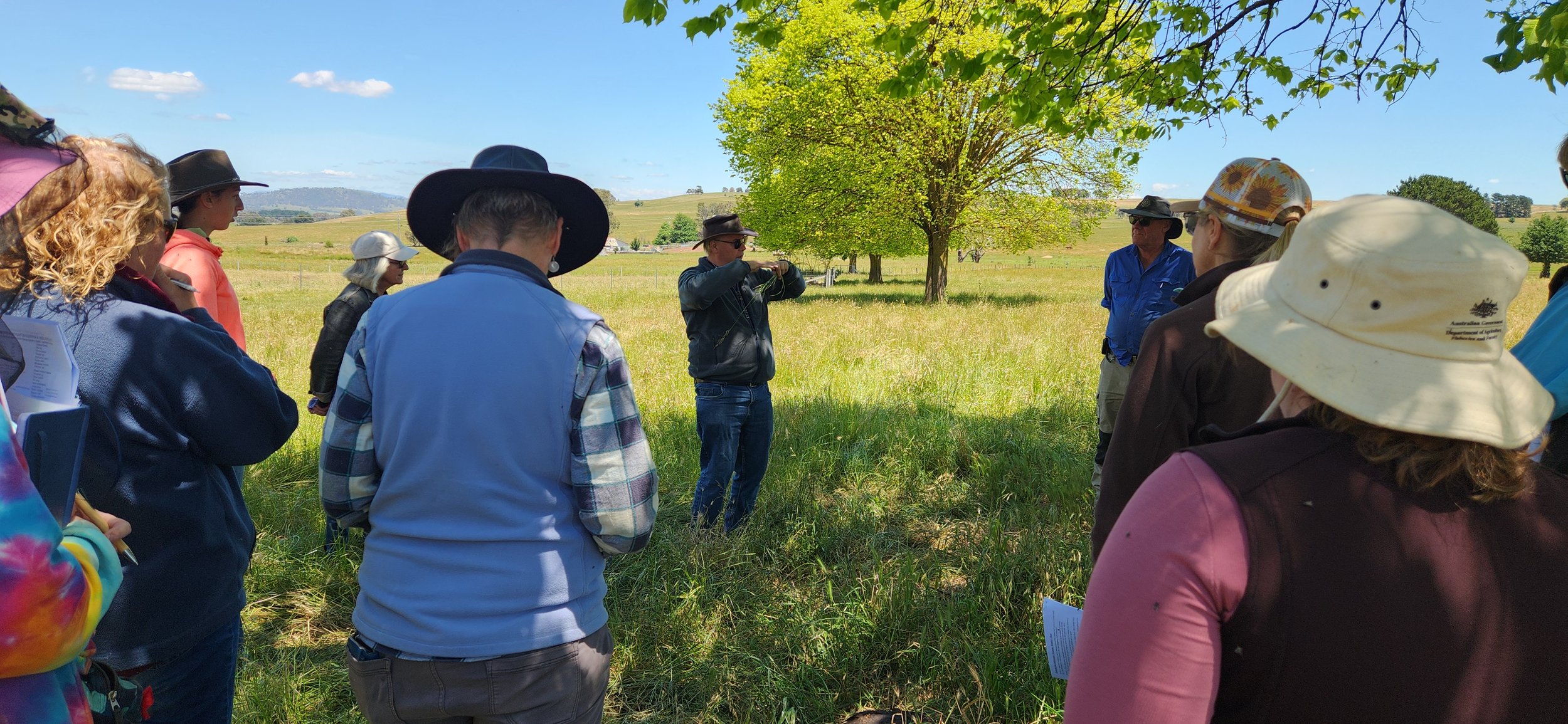
Up2Us Landcare Alliance recently hosted Gwyn Jones to deliver a hands-on workshop for local landholders, Reading the Signs: What Weeds Can Tell You About Your Soil. The workshop covered plant succession and plant structure, soil biology and chemistry, grazing and ground cover, and reading the wider landscape.
Weeds have a job to do
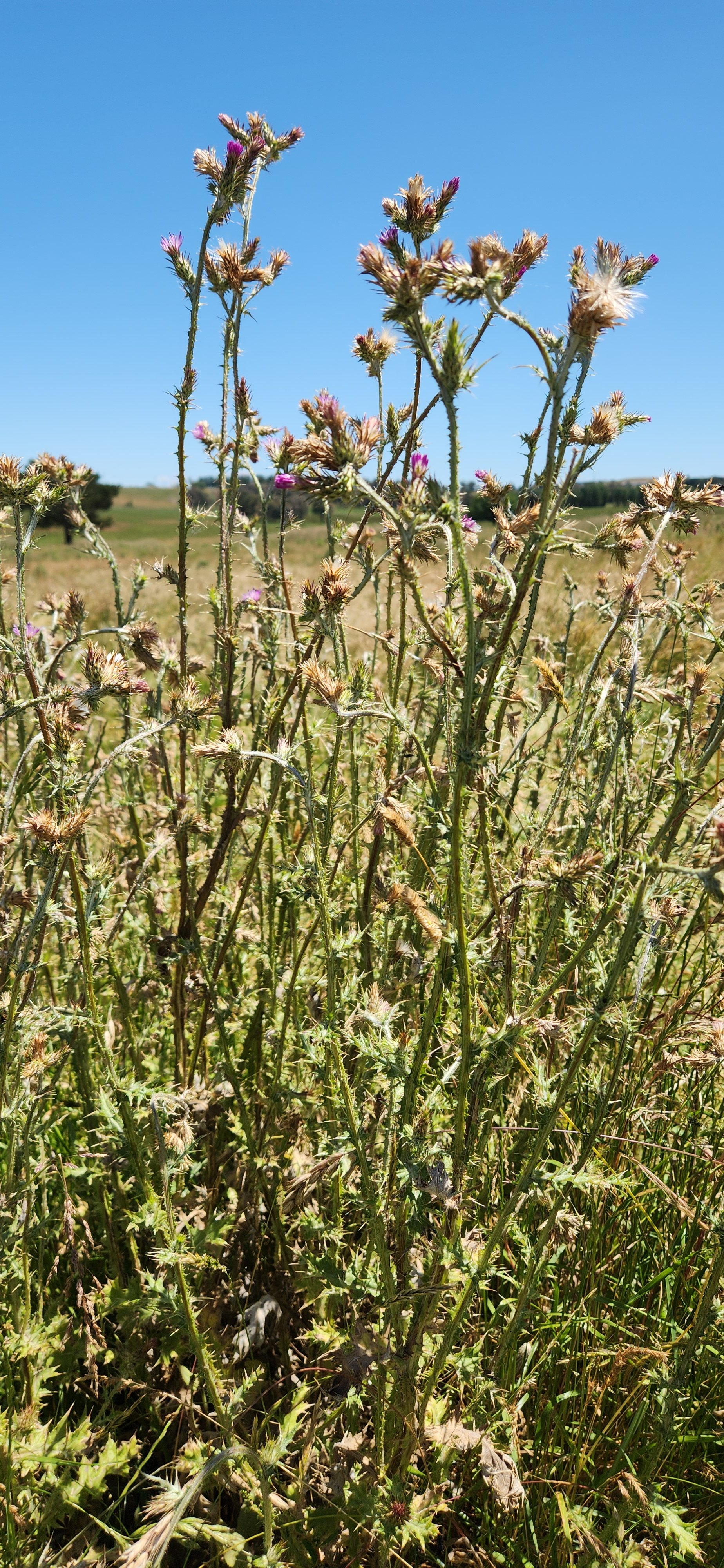
Bare or disturbed ground does not stay bare for long. The first plants to establish are known as pioneer species, and many of these are the plants we call weeds. They play an important role in protecting exposed soil, breaking up compacted ground and building organic matter, creating the conditions needed for more desirable pasture species to establish. Rather than an invasion, a flush of weeds can be a sign that the landscape is trying to repair itself.
Form and function
The question Gwyn kept bringing us back to was simple: why is this plant here, and what is it doing? A plant's structure can tell us a lot about the role it plays. Plants with a deep, thick taproot are able to break through hard layers and bring nutrients up from deeper in the soil profile. Plants that form a low, spreading rosette are effective at quickly covering bare ground. Understanding form and function helps landholders see weeds as indicators of soil condition, rather than just a nuisance.
Under the surface
Healthy soil is a living system, and a key theme throughout the day was that soil chemistry and soil biology work hand in hand. A change to one will affect the other.
Calcium and magnesium were discussed in detail, as the balance between the two influences soil structure, the movement of water and air through the soil, and which plants will thrive. Lime was used as an example of the need for care: while it can raise pH and add calcium, applying it without understanding what the soil needs can push other nutrients out of balance.
Phosphorus also raised an important question: where will it come from in the future? With fertiliser costs rising, there is growing interest in how soil biology can help plants access phosphorus that is already locked up in the soil. Soil testing was also discussed, with an emphasis on sampling consistently and interpreting results alongside what the plants are showing.
Plants first, then animals
When plants are grazed hard, their root systems shrink to match what is left above ground. Allowing plants time to recover lets the roots regrow, feeding the soil as they do. Overgrazing has the opposite effect, reducing ground cover, increasing the risk of erosion and creating the bare soil that allows pioneer weeds to return. The same principle applies at home, where mowing the lawn too low weakens the grass and creates space for weeds.
Ground cover and resilience in dry times
Maintaining ground cover is one of the most effective ways landholders can prepare for drought and dry times. Living plants and plant litter protect the soil surface from wind and water erosion, keep the soil cooler and reduce the amount of moisture lost to evaporation. Good ground cover also slows run-off, allowing more rainfall to soak into the soil rather than washing away.
Ground cover also feeds the soil. Plant roots and organic matter support the soil biology that improves soil structure and water-holding capacity, so soils with good cover are better able to store moisture and recover more quickly once rain returns.
Building resilience starts well before conditions turn dry. Managing grazing to keep plants and their root systems healthy, giving pastures time to recover, and making early decisions about stock numbers as the season dries off all help hold ground cover through tough periods. Once ground cover is lost, bare soil is exposed to erosion and opens the door for pioneer weeds, setting recovery back even further.
Reading the landscape
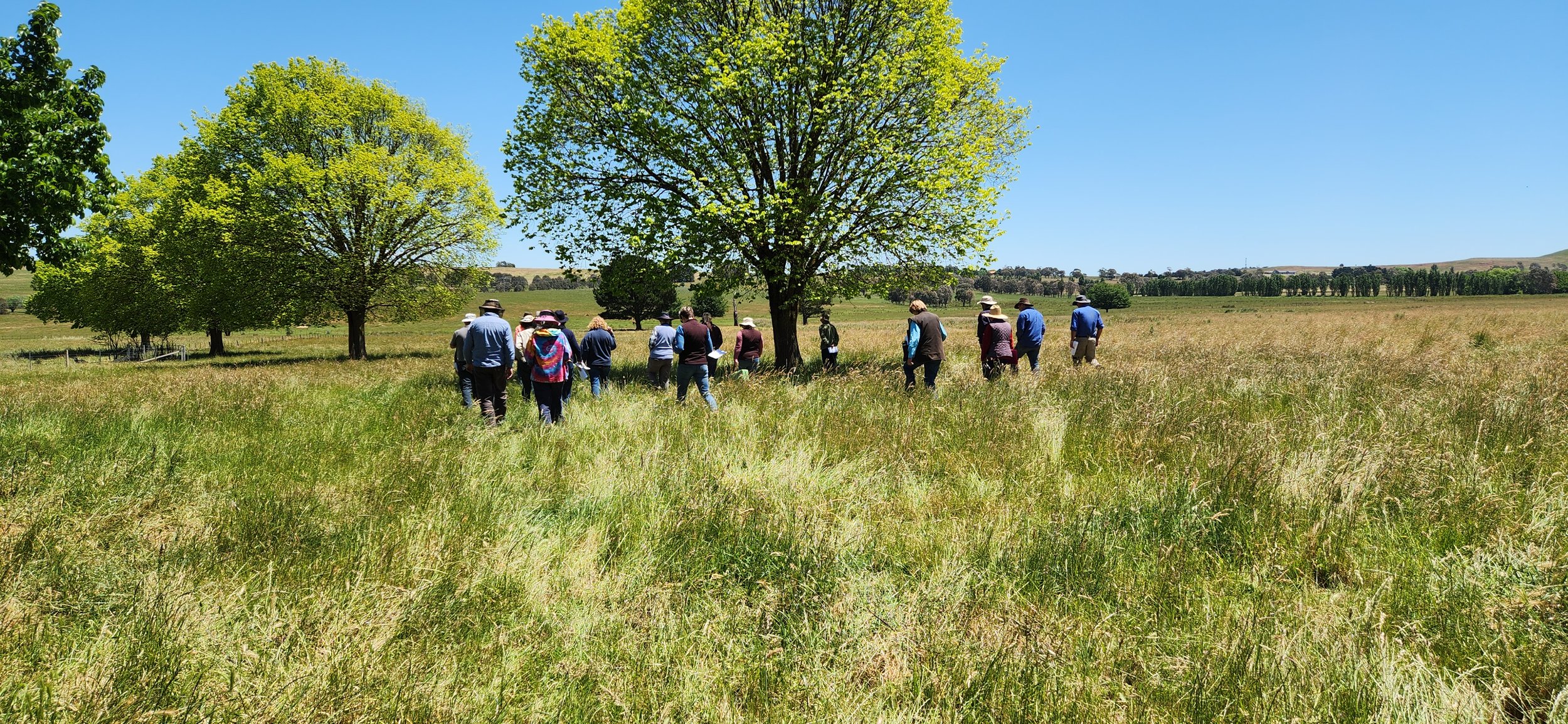
The workshop finished by looking at the bigger picture. Where water flows and pools, where soil is bare and which plants are growing in which areas can all tell a story about the health of the landscape. Landholders do not need a lab to start reading these signs, just a walk around their property with fresh eyes.
The key message from the day was that a little knowledge goes a long way, as long as care is taken not to create more problems than are solved. Up2Us Landcare Alliance would like to thank Gwyn Jones for generously sharing his knowledge, and everyone who came along on the day. Next time you walk past a patch of weeds, take a closer look, as they may be telling you more than you think.
This project received funding from the Australian Government’s Future Drought Fund.