Night Shift: Spotlighting for Arboreal Wildlife at Boorolite
Last Saturday evening 26 hardy community members gathered on a property in Boorolite to spend the evening spotlighting along the bushland-farmland interface. This activity was part of a wildlife survey run by Delatite Landcare Group and was guided by local ecologist Bertram Lobert. The immediate aim of the survey was to assess the number of nocturnal arboreal marsupials using this well-defined small pocket of bushland on the Mansfield Forest edge, and add to information that can tell whether their numbers are changing or stable.
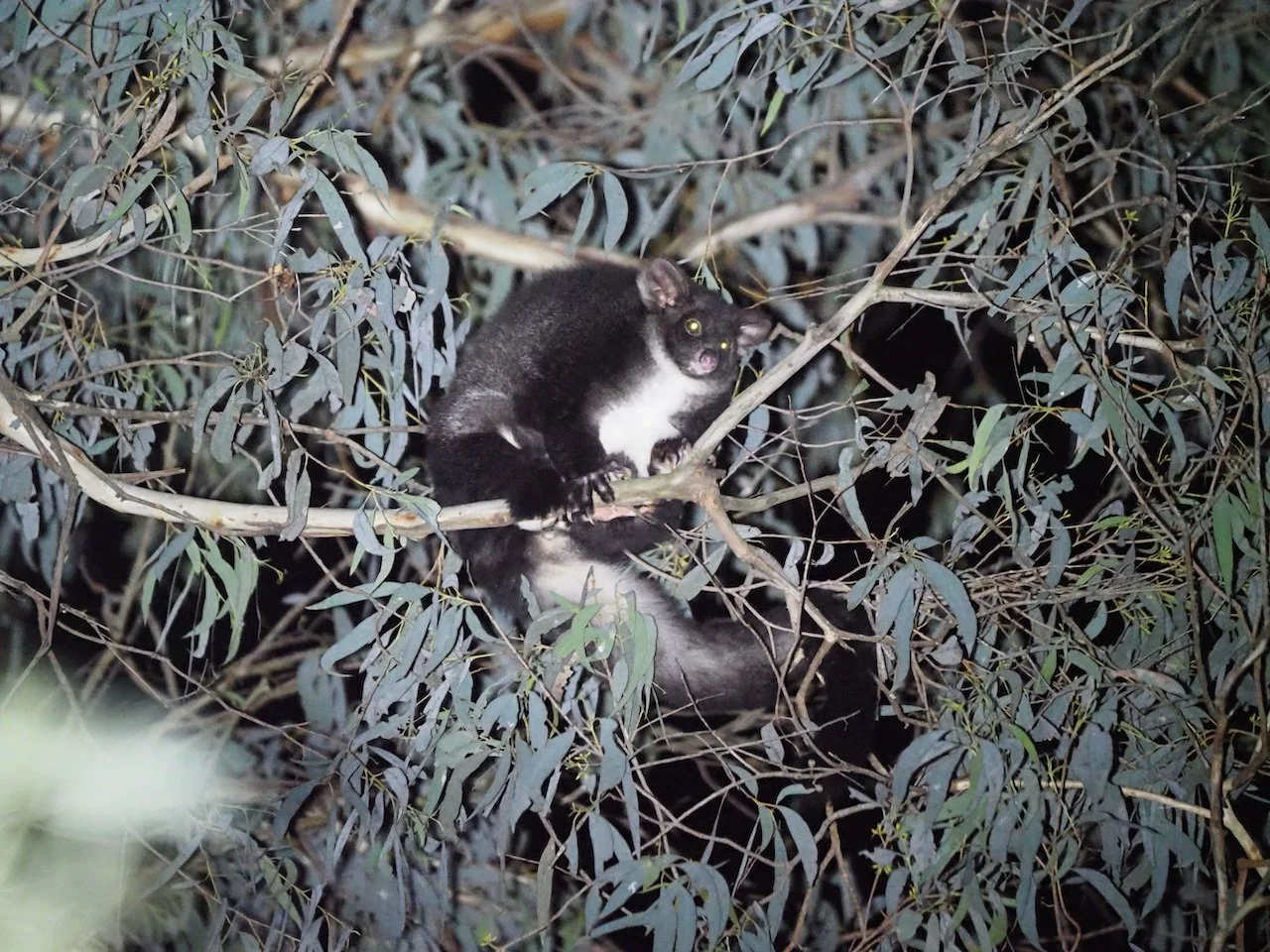
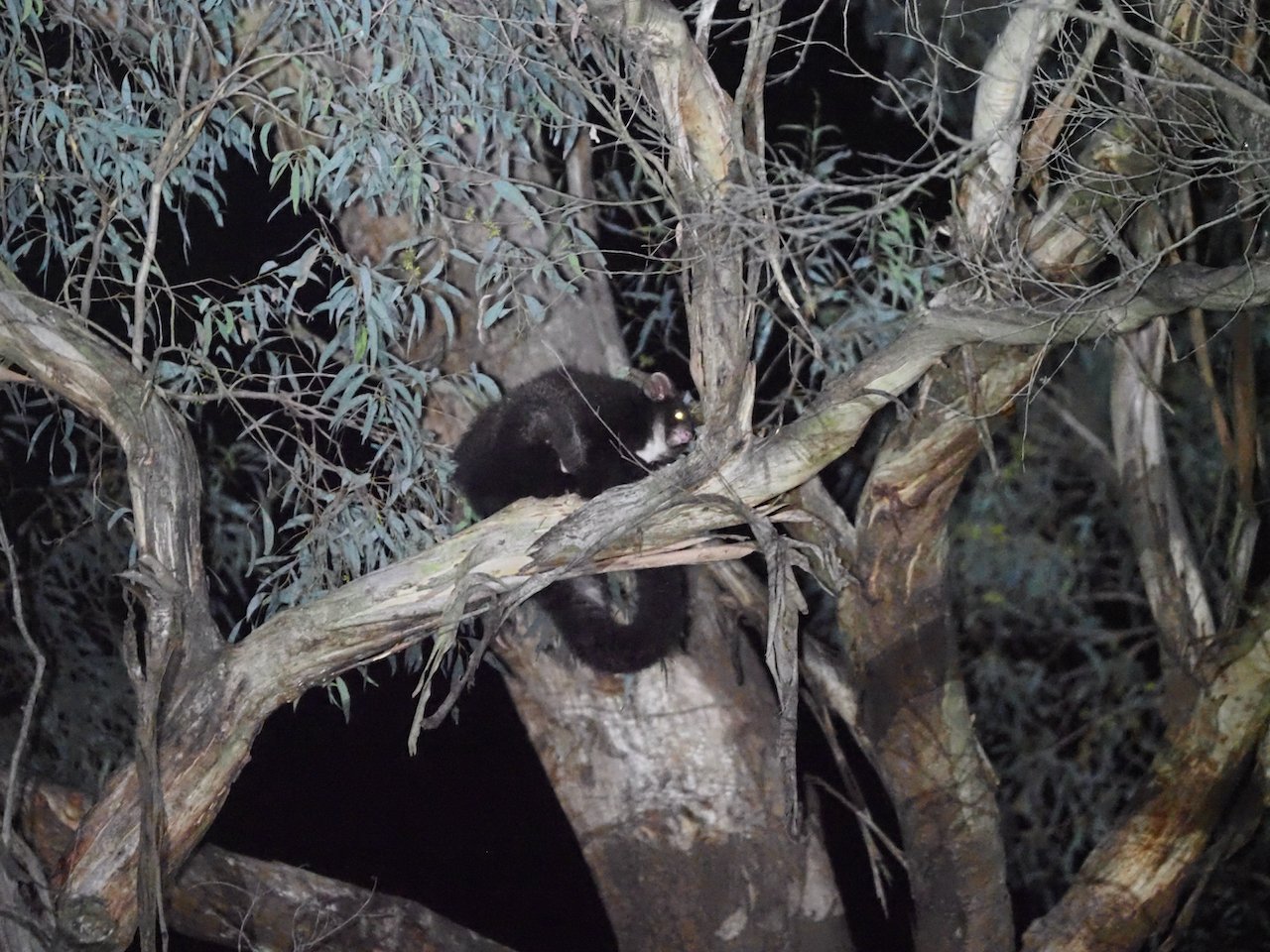
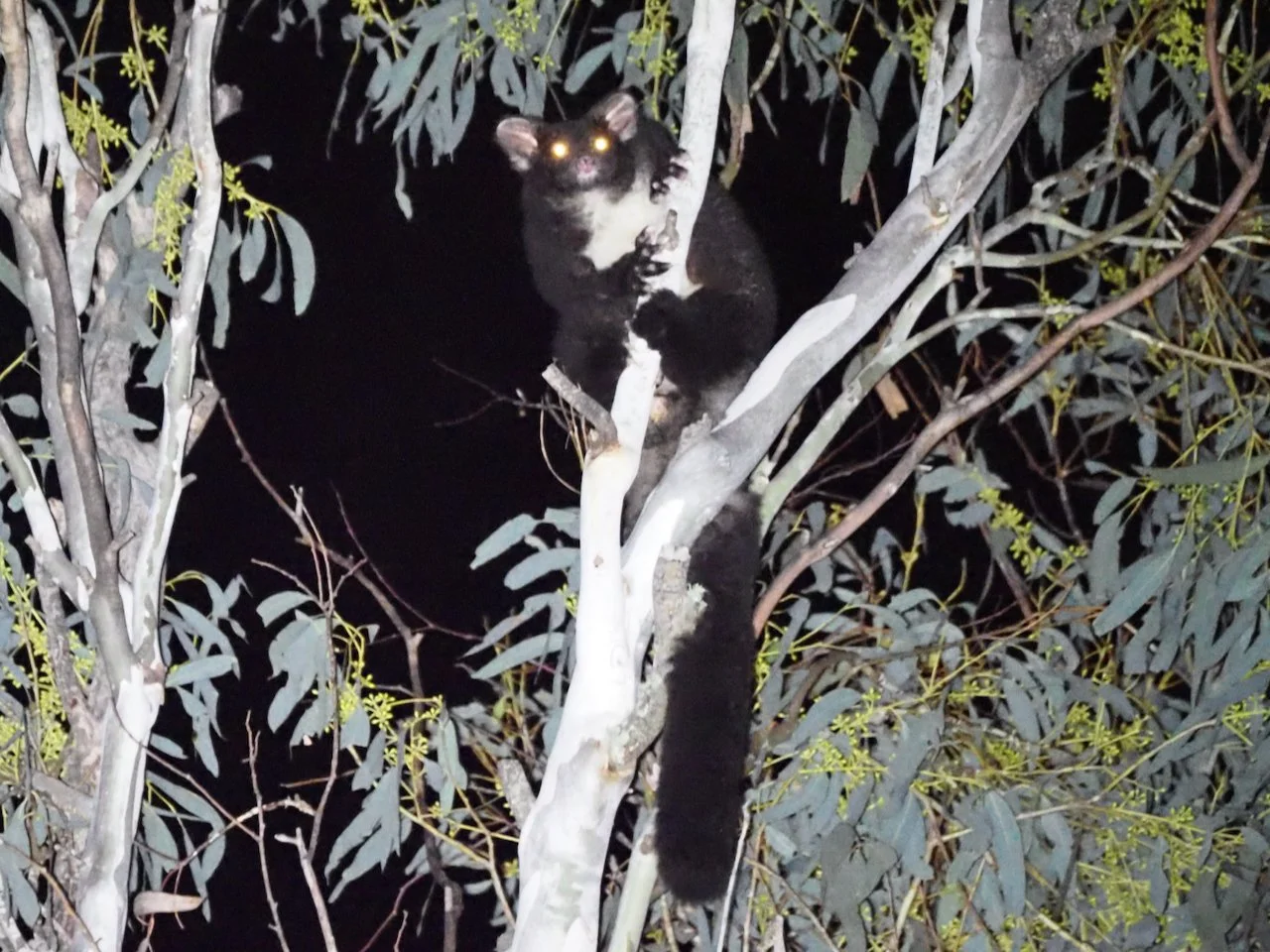
Eight Greater Gliders!
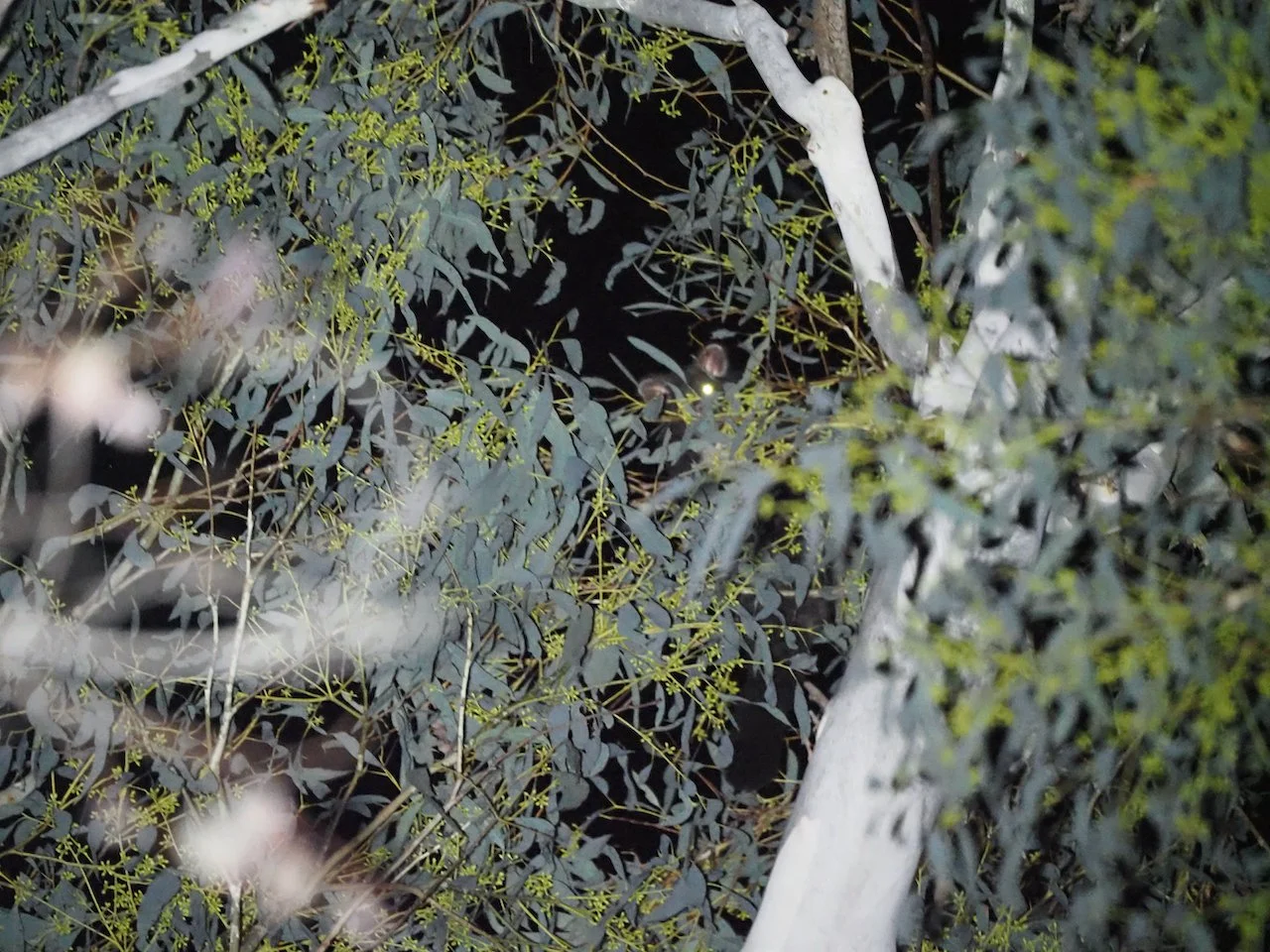
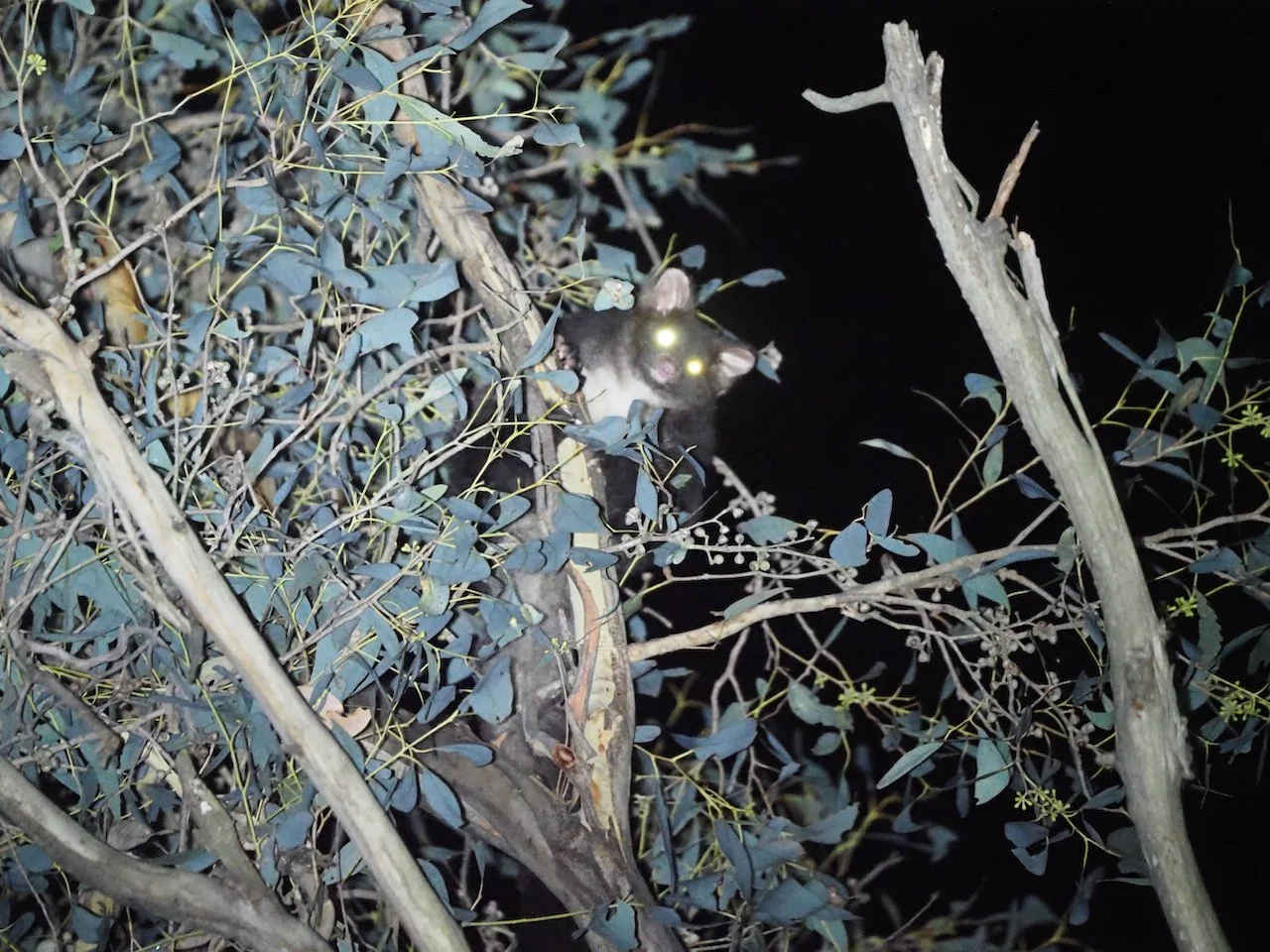
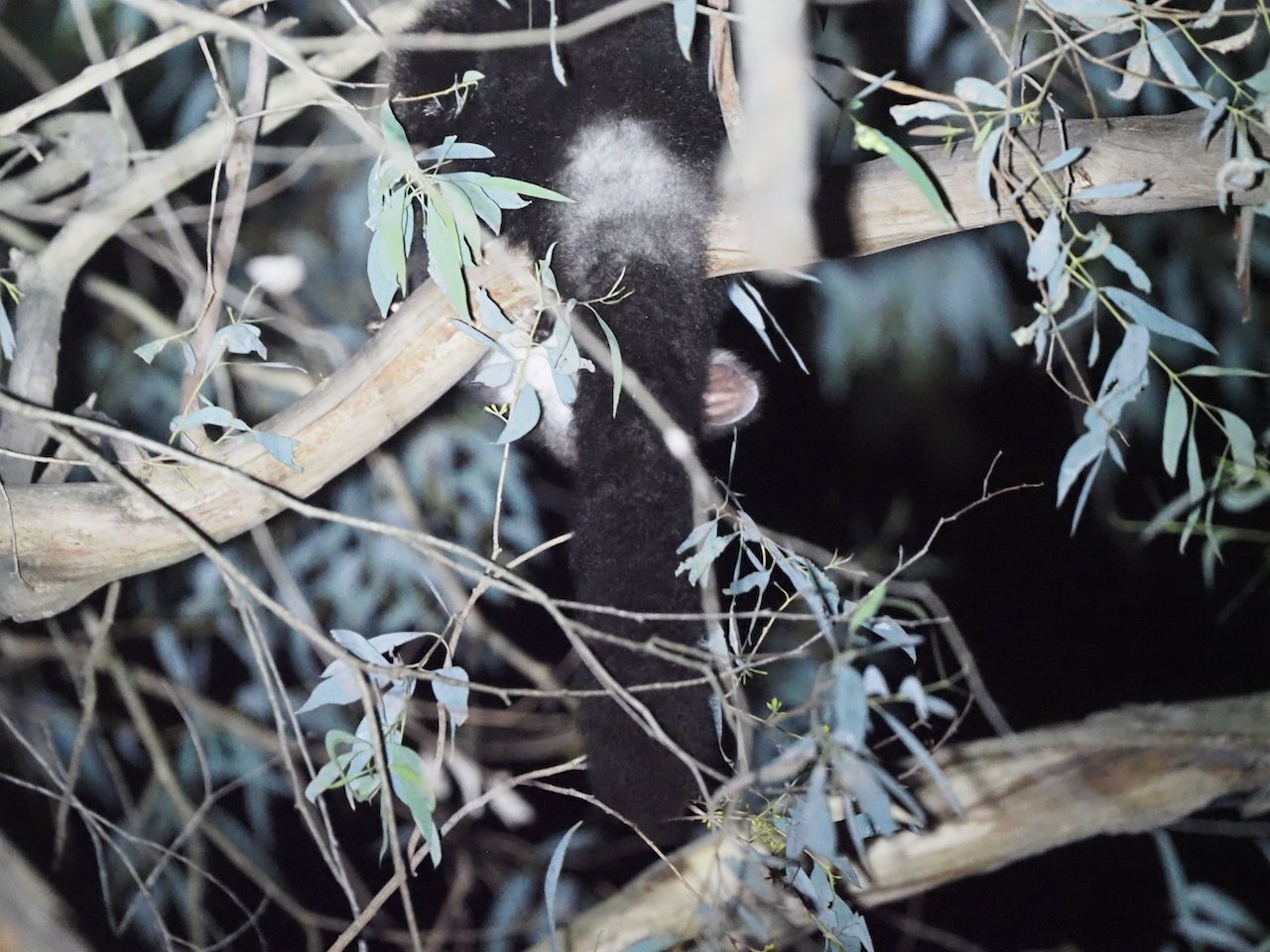
The night's standout was the sighting of eight Southern Greater Gliders — each was spotted very high in the Eucalypt canopy and only discoverable by their bright eyeshine reflections. Encouragingly, this number of Greater Gliders is consistent with similar surveys over the last few years at this site and points to a relatively stable and seemingly healthy population of Greater Gliders using this particular landscape.
The Southern Greater Glider holds the remarkable distinction of being the largest gliding marsupial in the world (although not the largest mammal glider). A fully grown adult can measure up to 45 centimetres in body length, with a markedly long tail helping to steer those long, silent glides between trees. They're herbivores surviving almost entirely on Eucalyptus leaves and are dependent on old-growth and mature forest with large hollow-bearing trees where they are protected during the day.
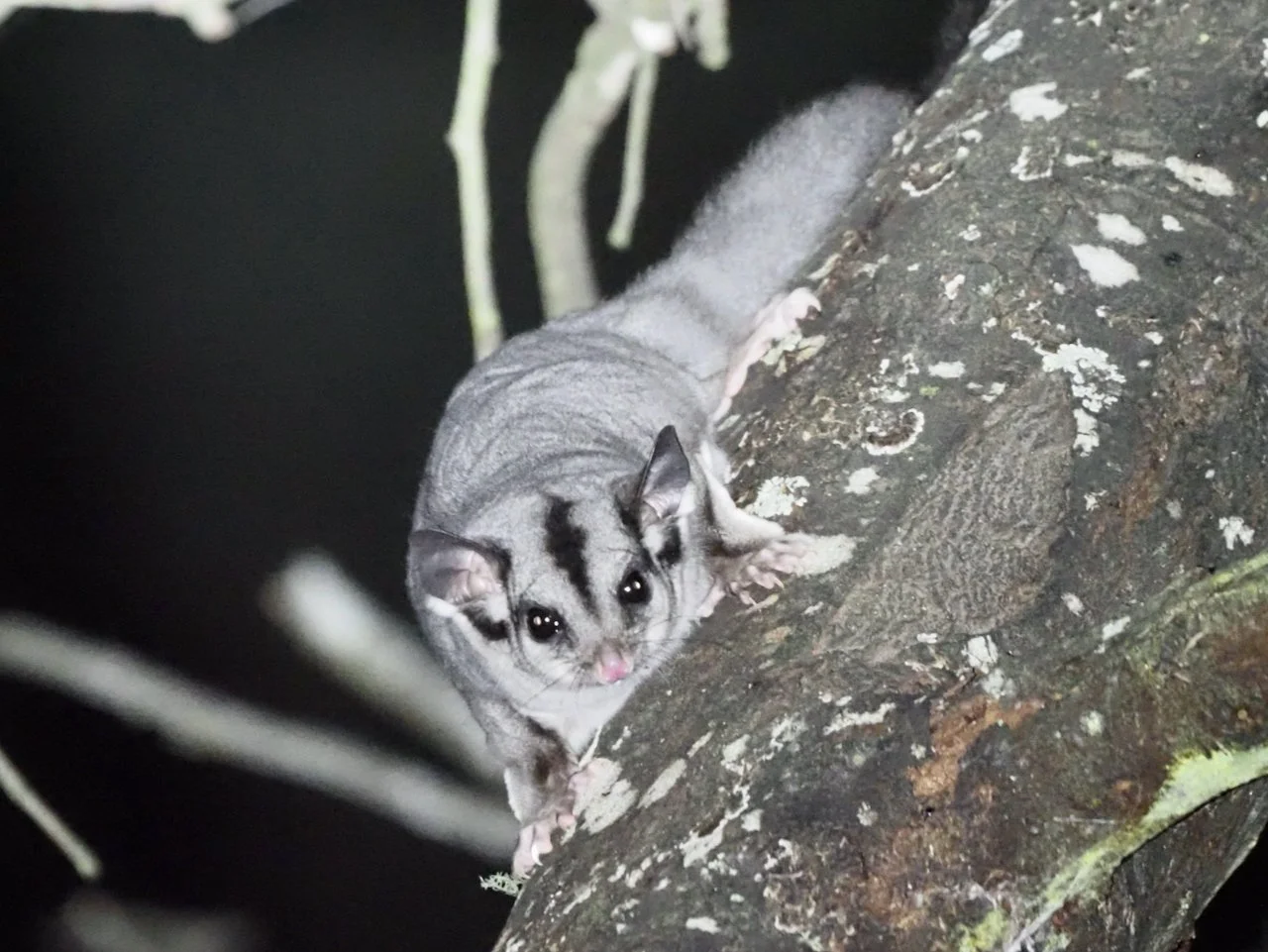
A Krefft's Glider in the Wattle
Equally delightful, but far easier to miss, was a Krefft's Glider spotted in a wattle tree during the survey. Formerly known as the Sugar Glider, the Krefft's Glider is much smaller; its camouflage is excellent and its eyeshine in torchlight is subtle and easily missed. The contribution of an experienced ecologist on the surveys, in our case Bertram, makes a huge difference and Bertram’s eye for the tell-tale signs, such as a flicker of movement or a faint glint of reflected light greatly helped the group locate wildlife that might easily have stayed hidden.
Why the Bushland-Farmland Interface Matters
The location of Saturday's survey, the interface between farmland and remnant bushland is ecologically significant. These transitional zones are often underappreciated
but they can play a crucial role in connecting wildlife populations across fragmented landscapes. For arboreal species like gliders, which rely on continuous canopy to move between their feeding and den trees, the condition of this interface can determine whether a local population thrives or becomes isolated. Understanding which species are using this zone, and how they're moving through it, helps guide Landcare Groups and landowners make better decisions about where to focus revegetation efforts and where to protect existing trees,
What Comes Next
This survey was part of an ongoing program by Delatite Landcare Group aimed at understanding and maintaining our local ecology. Whist the results so far are extremely encouraging, many questions remain unanswered, all require further study. For example, what are the full spatial extent of this glider population and the specific feed trees they are utilizing? Are there similar populations in other small valley or forest areas in our district? Is this population of gliders still connected to residual populations in other parts of our region? How stable is the population? Systematically answering these and other related questions will take time and effort.
You can help! If you're interested in getting involved or if you're a landholder in the Boorolite, Howqua, or Merrijig areas who'd like to know more about what wildlife might be using your property, we'd love to hear from you.
In the meantime, keep looking up. You never know what's gliding overhead (but don’t forget to look where you put your feet).
— Delatite Landcare Group