
H5 Bird Flu and Our Woodland Birds
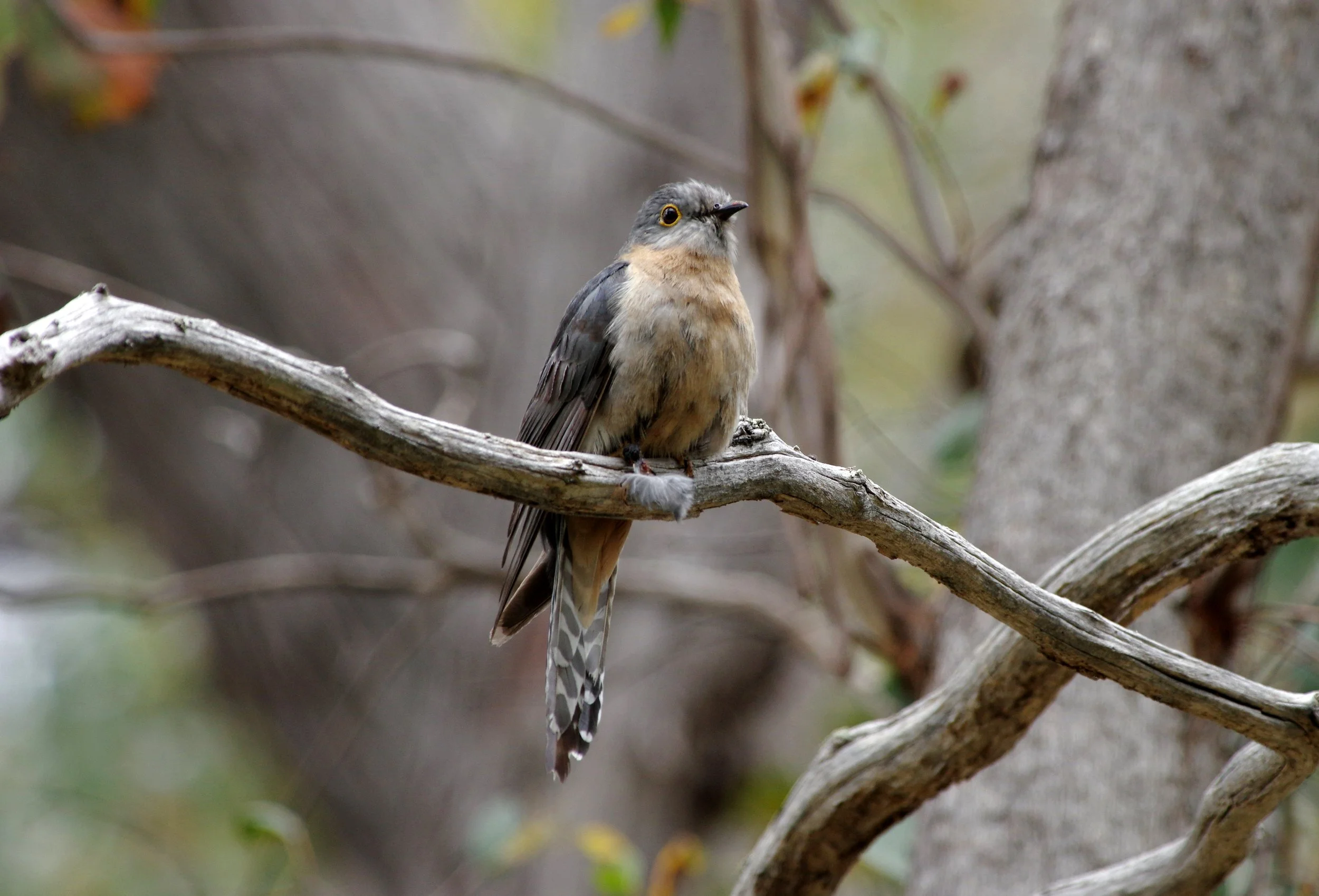
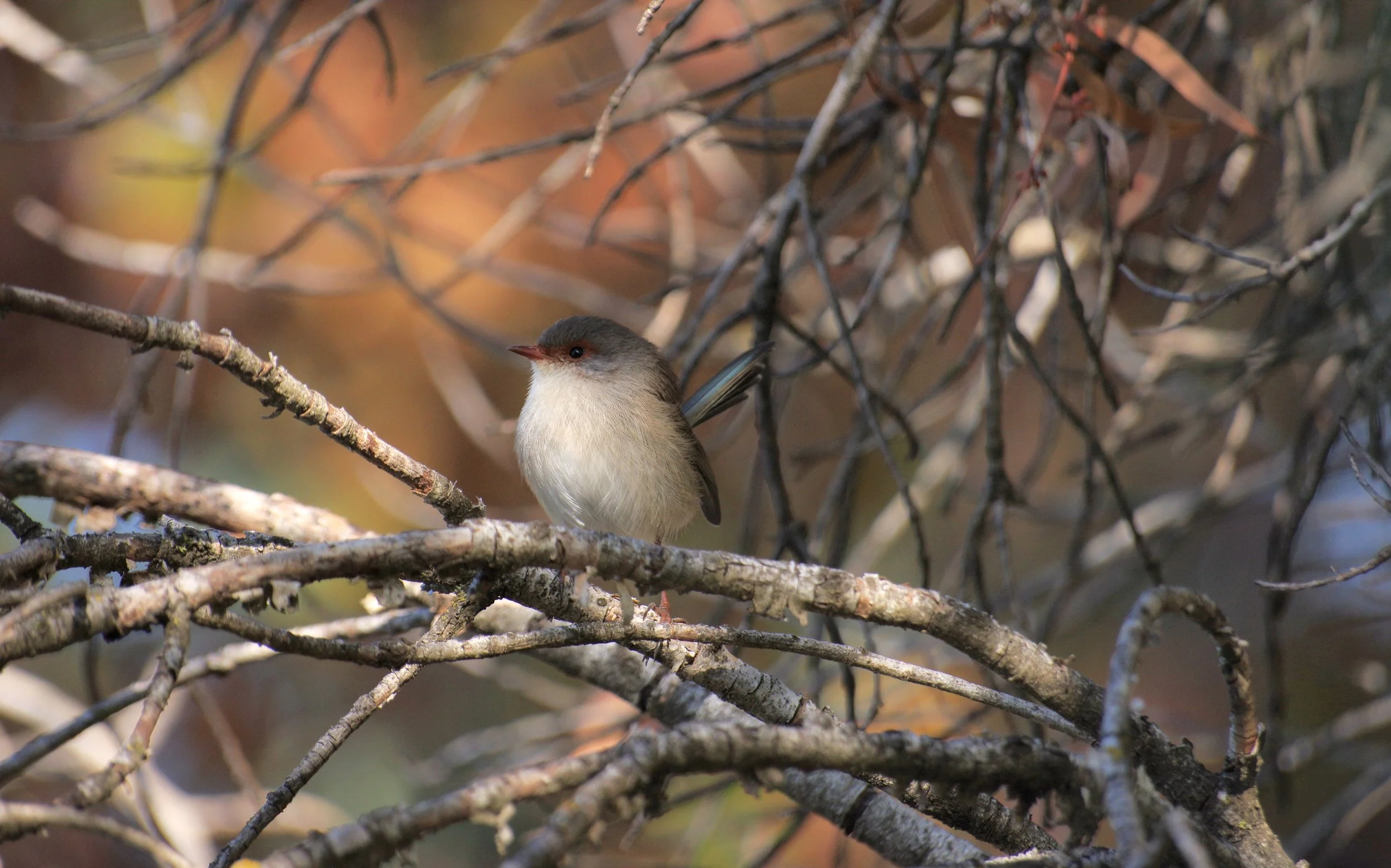
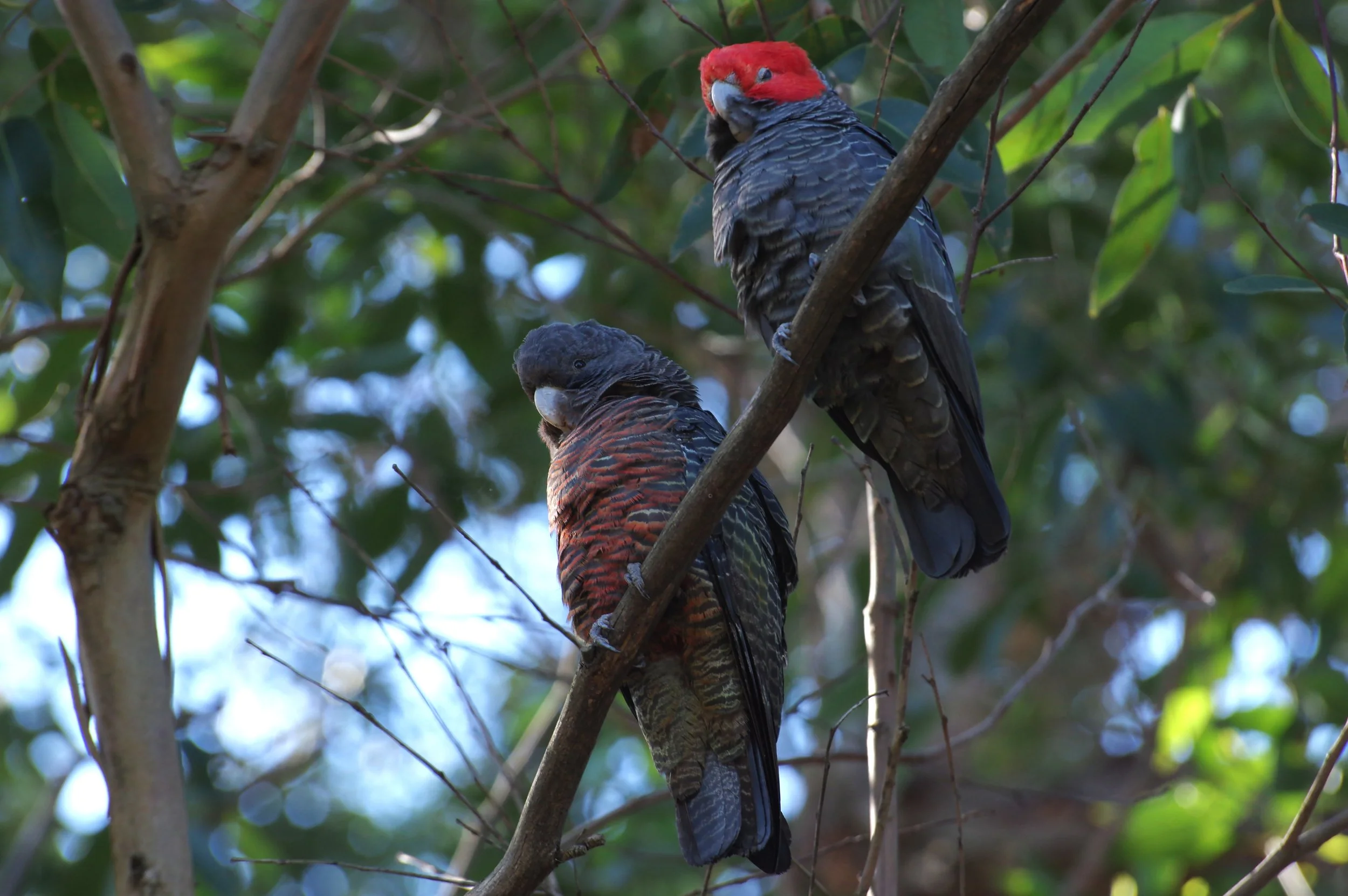
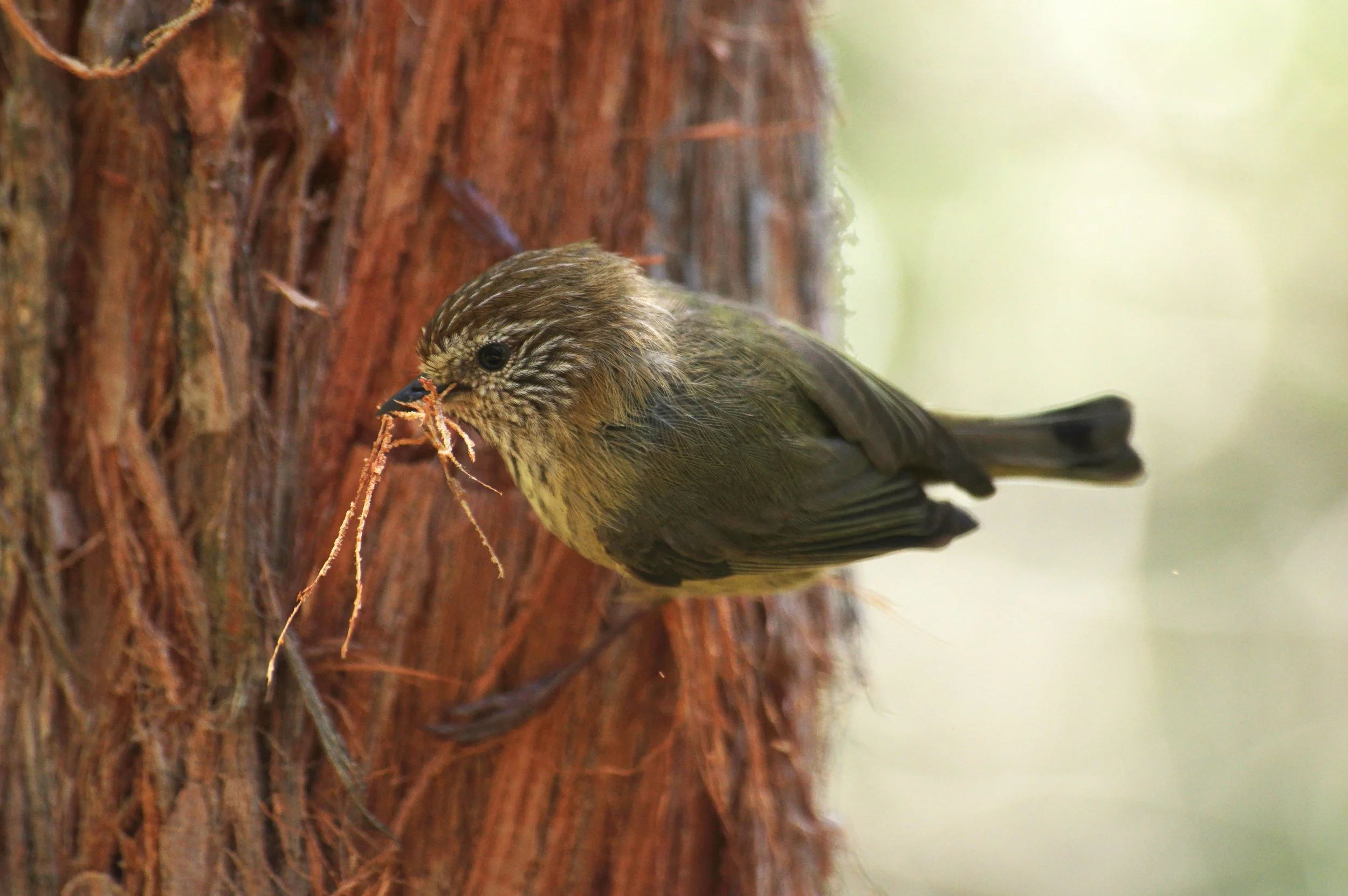
For decades, Australia was one of the last corners of the world H5N1 bird flu hadn't reached. That changed in June 2026, when the highly pathogenic strain (the same clade responsible for mass wild bird die-offs across Europe, the Americas, Africa and Asia since 2021) was detected on the Australian mainland for the first time, in a migratory brown skua off the WA coast.
Since then, cases have been steadily confirmed in migratory seabirds around the country, including the first detection in a non-migratory mainland bird, a greater crested tern in Robe, South Australia. So far, every confirmed case has been coastal, in seabirds. Nothing has yet turned up in bushland or forest species.
For anyone who loves Australia's woodland birds, the wrens, honeyeaters, robins, treecreepers and the rest, that's a reassuring detail. But it's worth understanding why seabirds were hit first, and why woodland species aren't necessarily in the clear.
The overseas mass mortality events have overwhelmingly struck colonial birds: seabirds, waterfowl, raptors. That's because these species congregate in enormous densities at breeding and roosting sites. One infected bird in a packed colony can spread the virus to thousands of others within days. This is what makes this strain so different from the low-pathogenicity avian influenza that's circulated harmlessly in Australian wild birds for decades without causing mass die-offs.
Woodland and bush birds generally don't nest in anything like that density, so the kind of dramatic, colony-wide collapse we've seen in seabirds overseas is less likely to play out the same way for most bush species.
Here's the catch. Because Australia's birdlife has evolved in isolation for millions of years, nobody actually knows how this virus will behave once it reaches our endemic woodland species, many of which have never encountered anything like it before. And the concern isn't only about the scale of a die-off. It's about which species are affected.
Australia already has a long list of threatened and declining woodland birds. For a species already down to small, fragmented populations, mass mortality on a seabird colony scale isn't required to do real damage; even scattered losses can matter when numbers are already thin on the ground.
Health authorities currently assess the risk of the virus becoming established more broadly in Australian wildlife as moderate to high, and the coming months will reveal whether that happens. Once a bird is infected, it typically dies within days of showing signs of illness, and if the virus does become established in wild populations, it can't simply be eradicated.
Note: this is a fast-moving situation, with new detections reported close to weekly, so treat specifics here as a snapshot rather than the final word. BirdLife Australia and the Department of Climate Change, Energy, the Environment and Water (DCCEEW) publish the most current updates.
If you're out in bushland, on the coast, or anywhere else and come across a sick or dead wild bird, here's what BirdLife Australia is asking people to do:
Avoid. Record. Report.
Please do not touch sick or dead birds. Record what you observe and report it immediately to the Emergency Animal Disease Hotline on 1800 675 888.
Early reports from bushland and woodland areas would be a genuinely important data point. It's exactly the kind of sighting that would help authorities track whether the virus has moved beyond seabirds and into other parts of our bird life.