
A tiny carnivore hiding in plain sight: scented sundew observed at Howes Creek
Climate-Smart Agriculture Program | Winter 2026
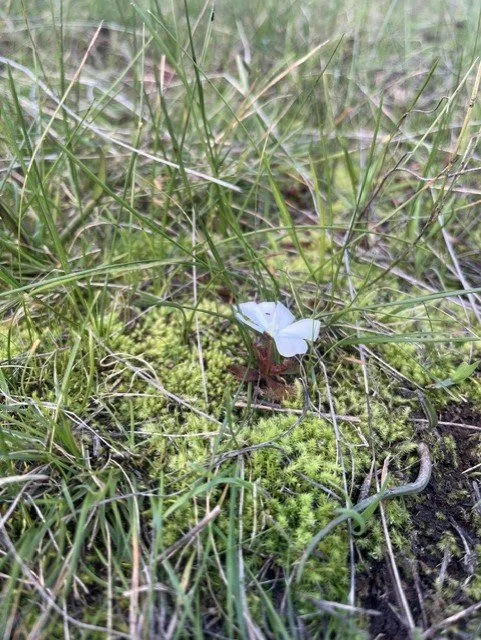
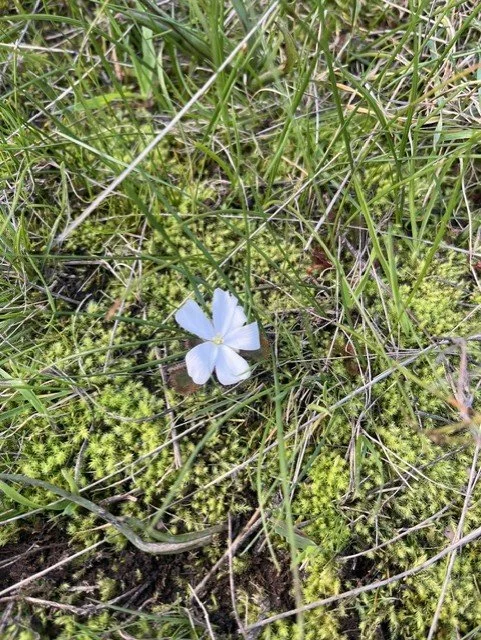
Sometimes the most remarkable discoveries happen when you're not looking for them. A landholder participating in the Climate-Smart Agriculture Program was walking their Howes Creek property recently — simply scoping out where their new revegetation plants would go — when something small and white caught their eye nestled among the grasses and moss.
It didn't look like much at first glance. But curiosity got the better of them, and a quick search on iNaturalist revealed something rather special: Drosera aberrans, commonly known as the Scented Sundew — a native, carnivorous wildflower that is as fascinating as it is delicate.
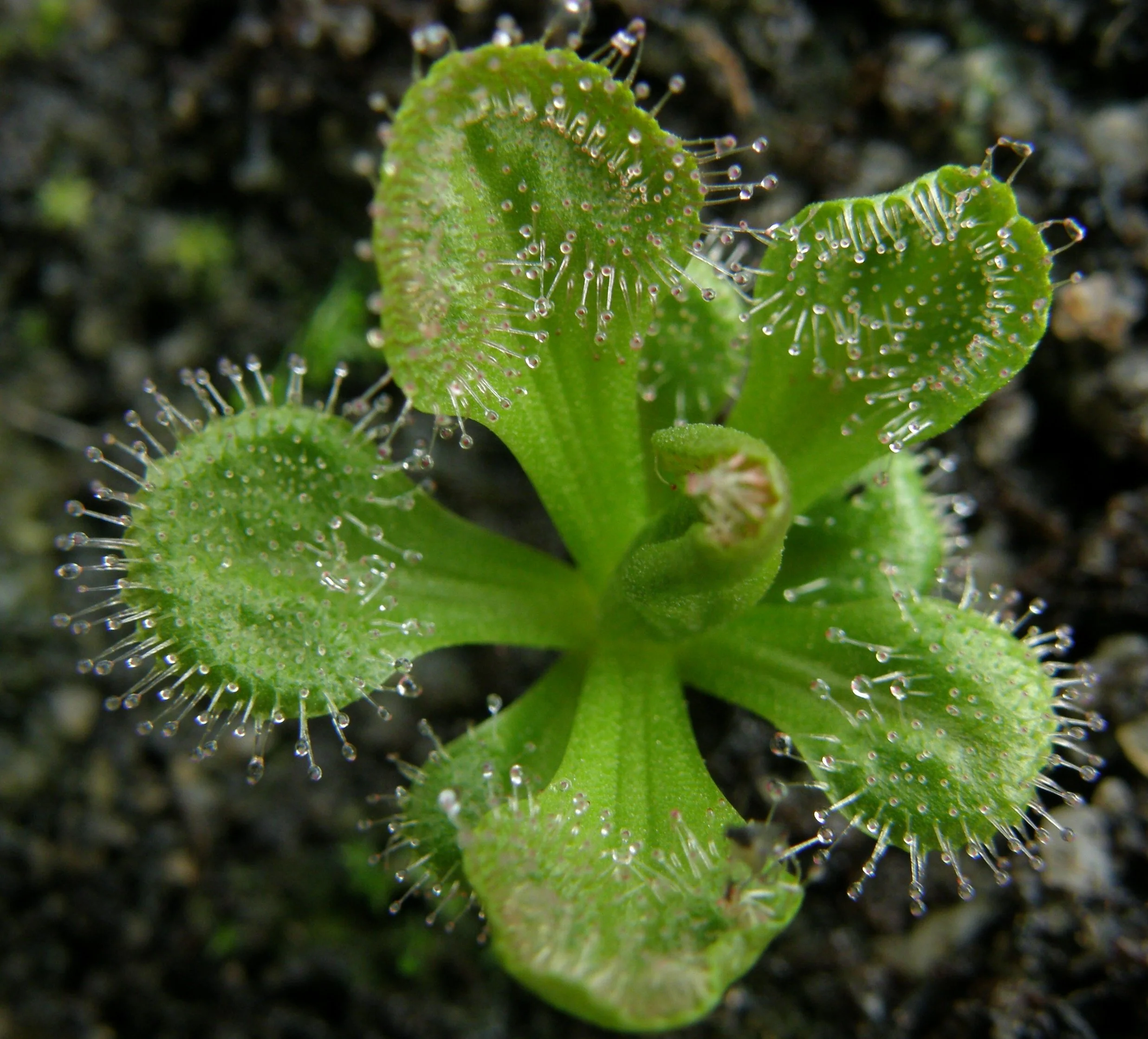
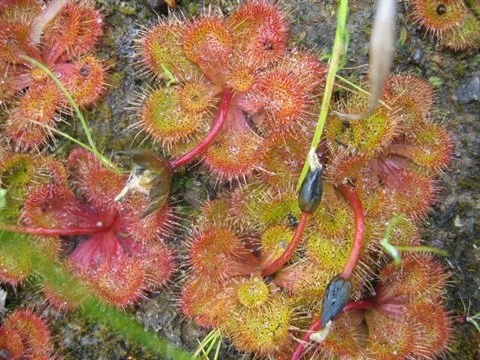
Standing just 5 cm tall, the scented sundew is easy to overlook — but look closely and you'll find a plant with a remarkable survival strategy. Its small leaves are covered in sticky, glistening hairs that resemble dewdrops, each one capable of trapping insects that venture too close. Once caught, the plant releases enzymes to digest its prey, supplementing the nutrients it can't get from the poor, impoverished soils it calls home. It's a neat solution to a tricky problem, and one that nature has been perfecting for millions of years.
The scented sundew typically emerges after autumn rains and persists through to spring, dying back over the warmer, drier months before reappearing the following season. Its leaves range from green to red, and in spring it sends up a thick, erect flower stalk topped with large, white, perfumed flowers up to 30 mm across — a surprisingly showy display for such a petite plant. True to its name, the flowers are fragrant, and it's pollinated by insects — the very creatures its leaves are designed to catch.
Finding this species on a property earmarked for revegetation is a wonderful sign. The presence of scented sundew suggests the site retains the kind of seasonally damp, relatively undisturbed conditions that many indigenous plants require to thrive — exactly the sort of ecological foundation that a well-planned revegetation project can build upon and enhance. The new planting will extend and connect the native vegetation already present, creating more of the habitat that species like this one depend on.
It's a good reminder that revegetation isn't just about the plants you put in the ground. It's also about protecting and celebrating what's already there — including the small, extraordinary things that are easy to walk straight past.
This project is supported through the Climate-Smart Agriculture Program, delivered in partnership between Up2Us Landcare Alliance and the Goulburn Broken Catchment Management Authority, with support from the Australian Government's Natural Heritage Trust.