Growing Resilience, One Seed at a Time
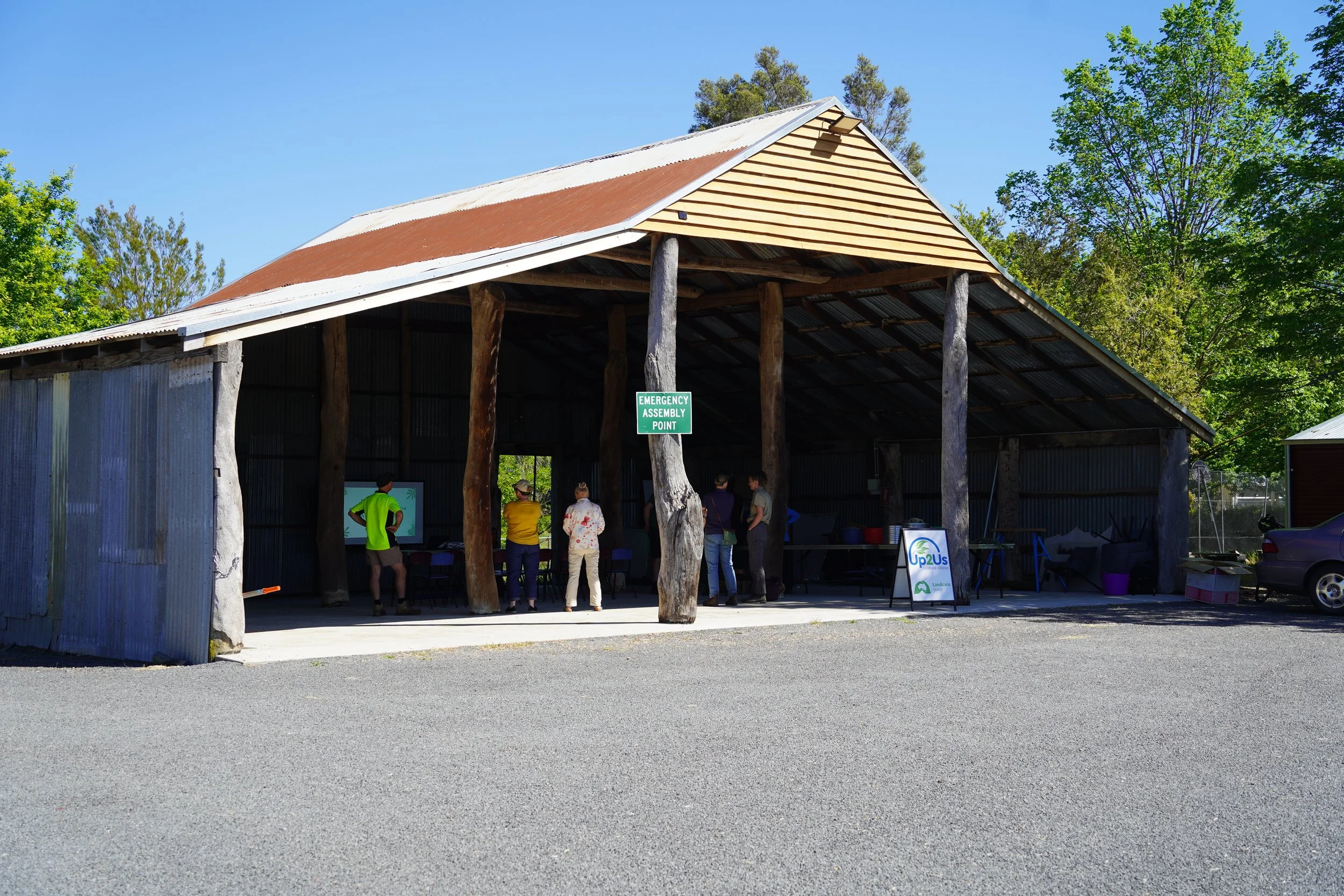
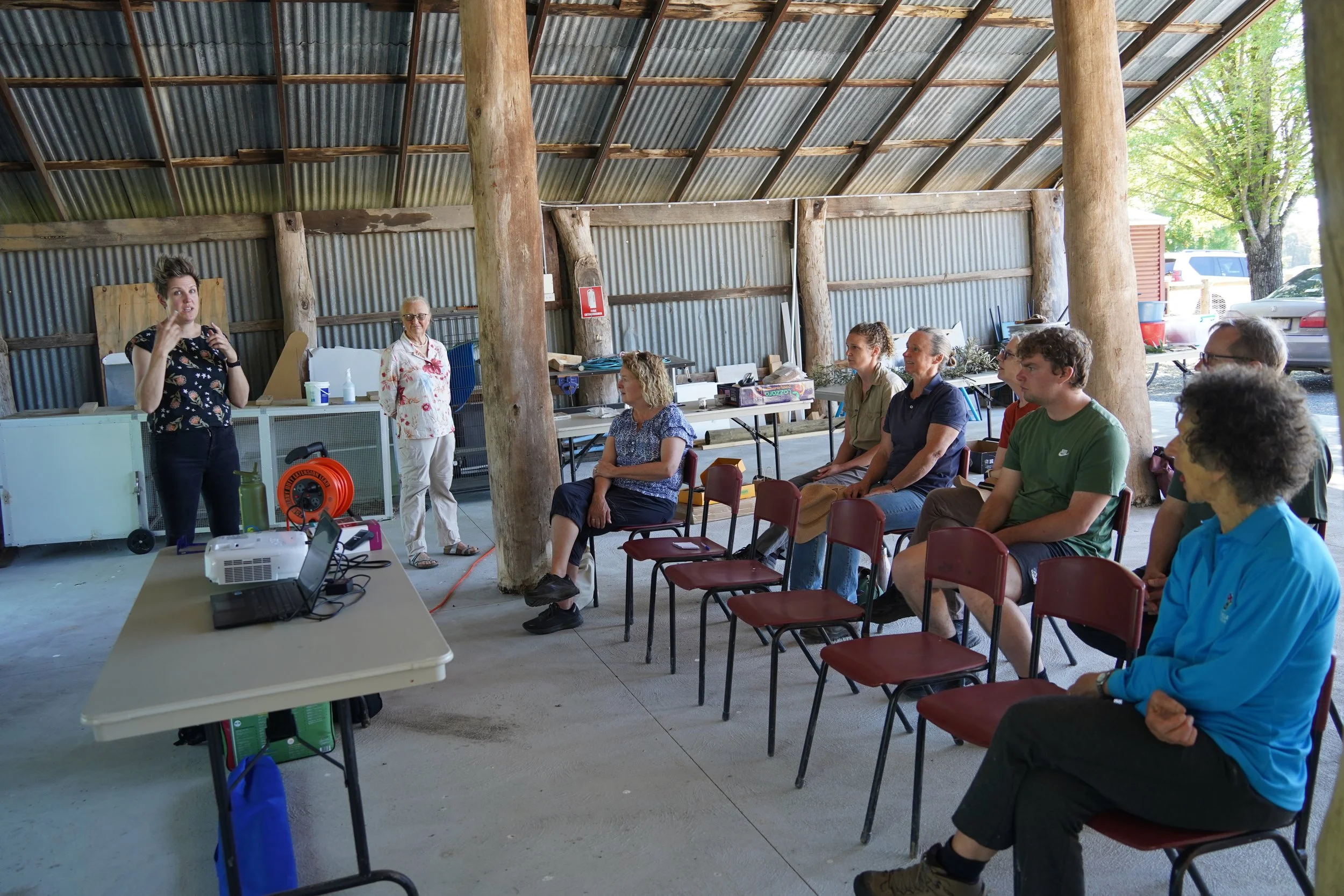
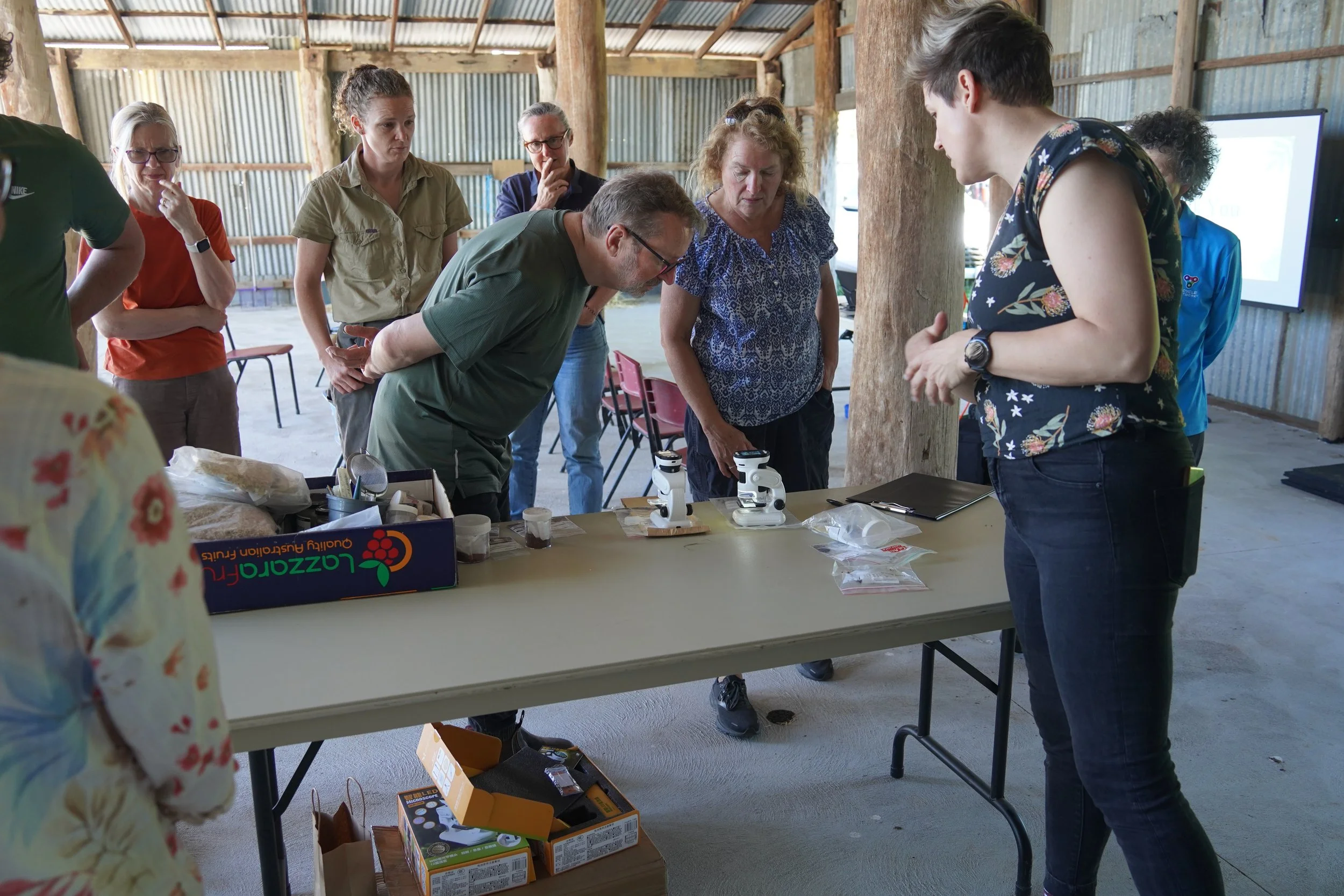
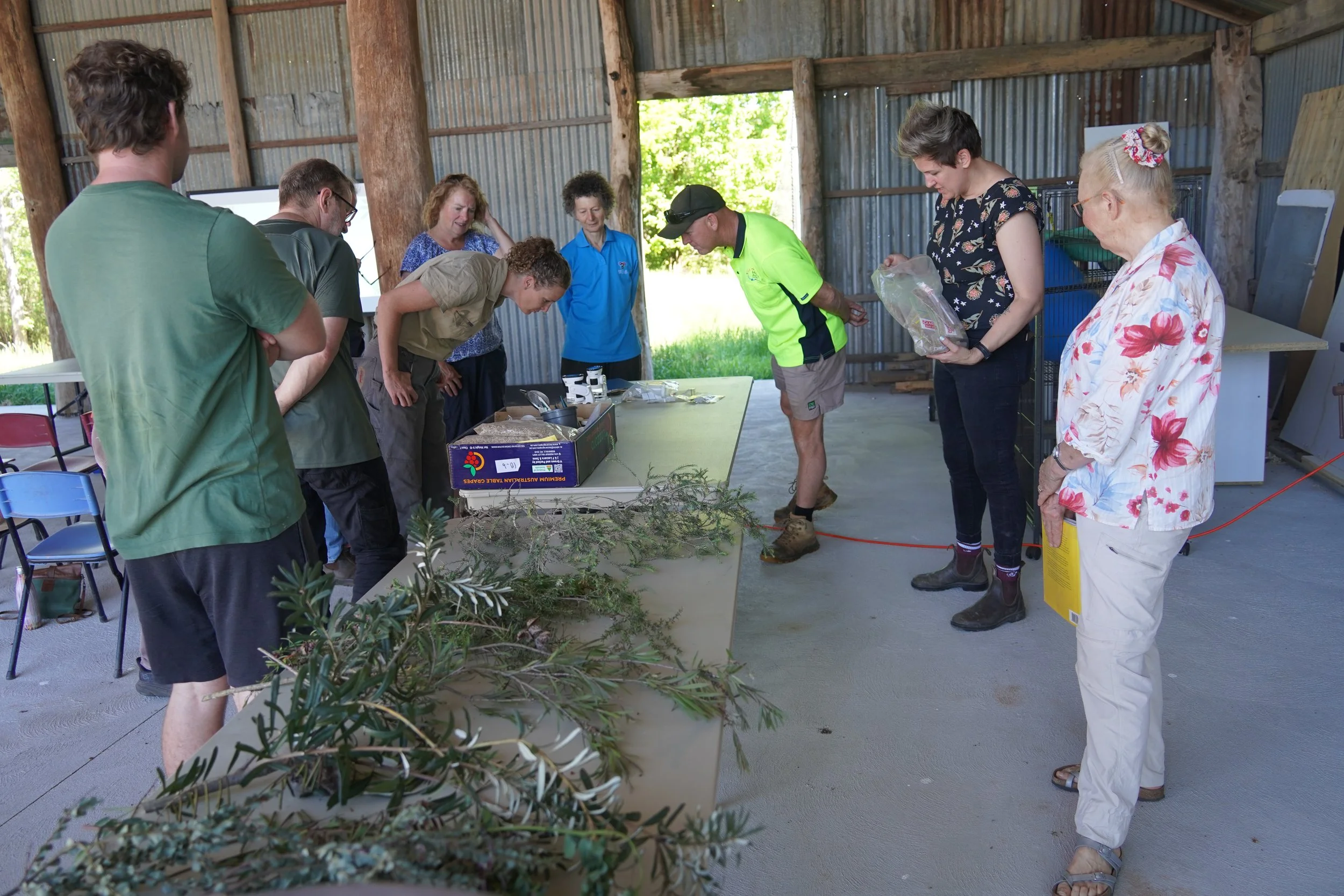
Last week we held a nursery workshop at Mansfield Autism Statewide Services (MASS), and what a great morning it was. Volunteers gathered to learn about native seeds, share a cuppa and a chat, and roll up their sleeves to sow a batch of indigenous seeds that will become the nursery's next crop of local plants.
Learning from local experts
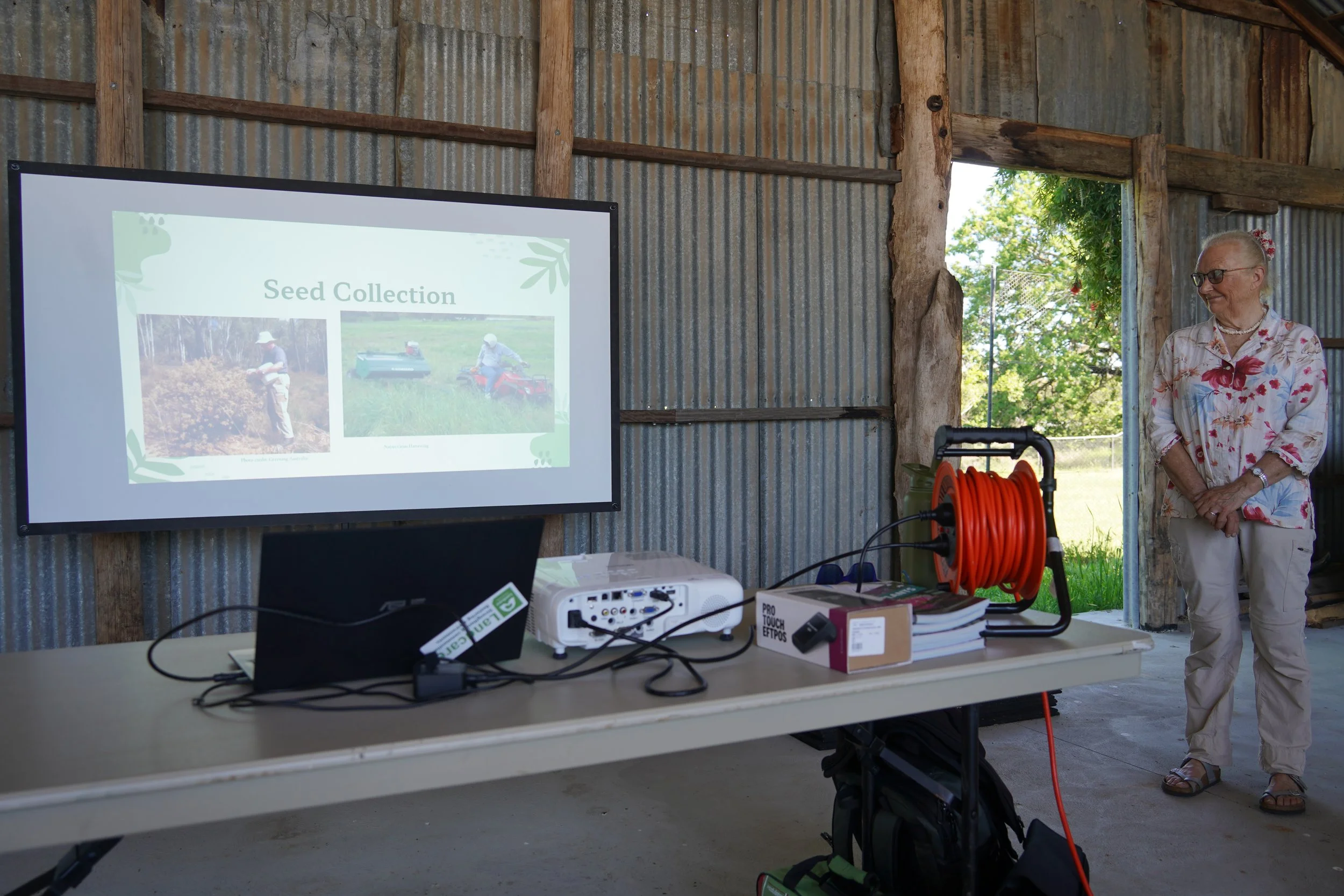
We were lucky to have Kim Magnay from Up2Us and Erica Lowing from Delatite Landcare share their knowledge with the group. Between them, they introduced the many different types of native seed, from woody capsules and cones to pods and grains, and explained what it takes to collect seed responsibly.
The key messages were simple but important. Always have a permit or the landholder's permission before collecting. Take only a small amount from any one plant, and gather from lots of different plants so the seed carries plenty of genetic diversity. Above all, keep good records of what you collected, where, when and from how many plants.
Where citizen science comes in
That record keeping is where citizen science comes in. iNaturalist is a free global platform where anyone can photograph a plant or animal and log where and when they saw it. The community helps with identification, so it's a great way to learn your local plants, and every observation adds to the picture of native flora in our region.
For a seed collector, those records are gold. They show which species grow where, help us find healthy populations to collect from, and can feed into real scientific research. You don't need to be an expert to contribute, just a phone and a bit of curiosity.
Local plants for a tougher landscape
The seedlings we sowed will be grown on at the MASS nursery and available to buy later next year through Up2Us. Indigenous plants have evolved with our local soils and climate, so they're well suited to the conditions here and better able to cope when the dry times come.
Planting them on farms, in gardens and along roadsides and creeks helps build a landscape that is more resilient to drought. Just as importantly, growing a network of people around the nursery means more locals with the skills, knowledge and connections to keep this work going for years to come.
Get involved
This was the first of several nursery session under this project, and we'd love you to join us. Volunteers of all ages and experience levels are welcome, no green thumb required. Keep an eye on our social media pages and newsletter for upcoming dates.
A big thank you to Kim and Erica for generously sharing their knowledge, to the MASS team for hosting, and to everyone who came along and got their hands dirty.
Photos: Sev Steinlauf
This project is supported by FRRR, through funding from the Australian Government's Future Drought Fund.