
Green Shoots & Night Visitors: Recovery in the first month after fire
Four weeks after a fire, the bush can feel still.
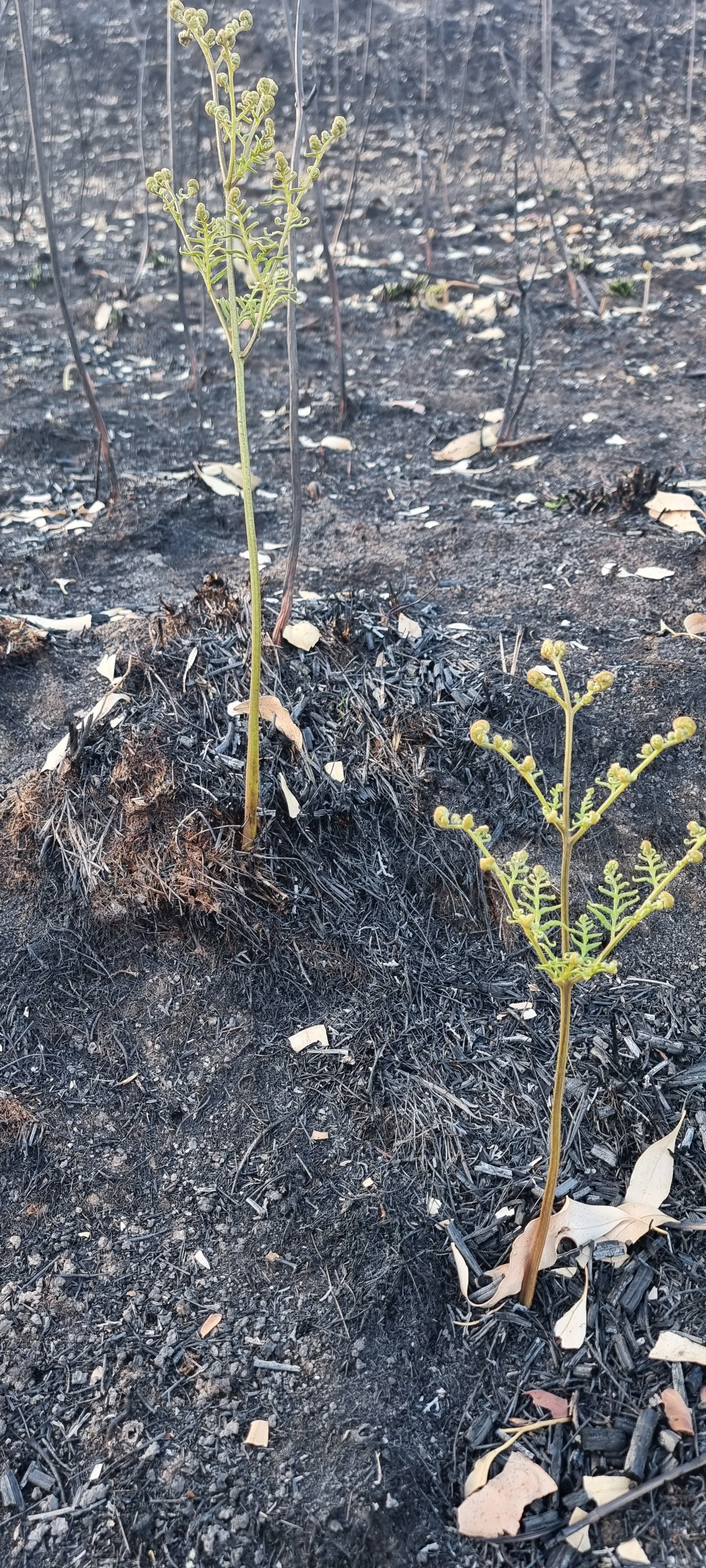
Blackened trunks, grey ash, and an open sky where canopy once filtered the light. To us, it can look like recovery hasn’t started yet.
But recovery doesn’t begin when the landscape turns green again. It begins almost immediately — often in ways that are easy to miss.
Recently, one of our Up2Us trail cameras recorded a ringtail possum and a Peron’s tree frog visiting a nest box within the burn area. Two different species, both already using shelter in a landscape that appears, at first glance, lifeless.
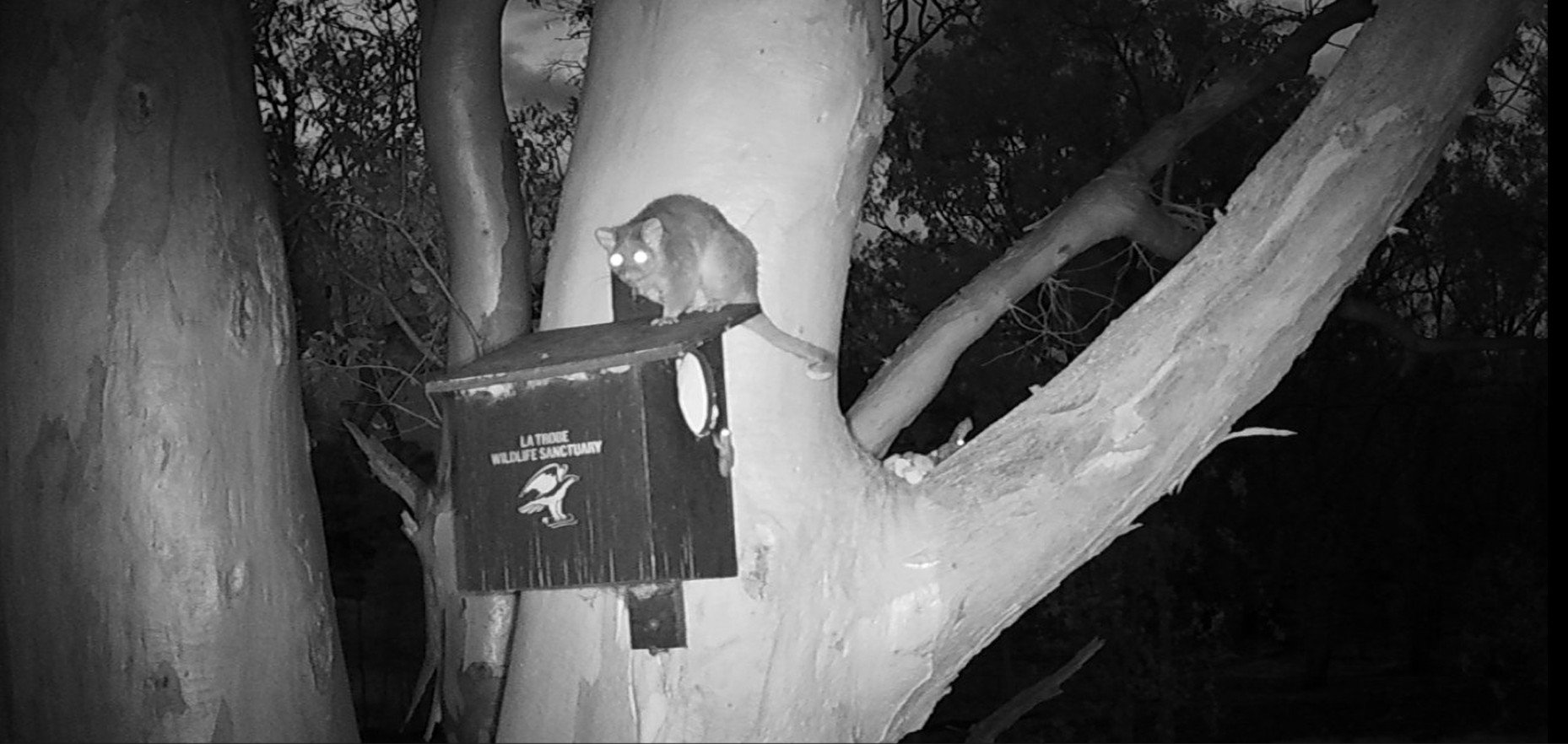
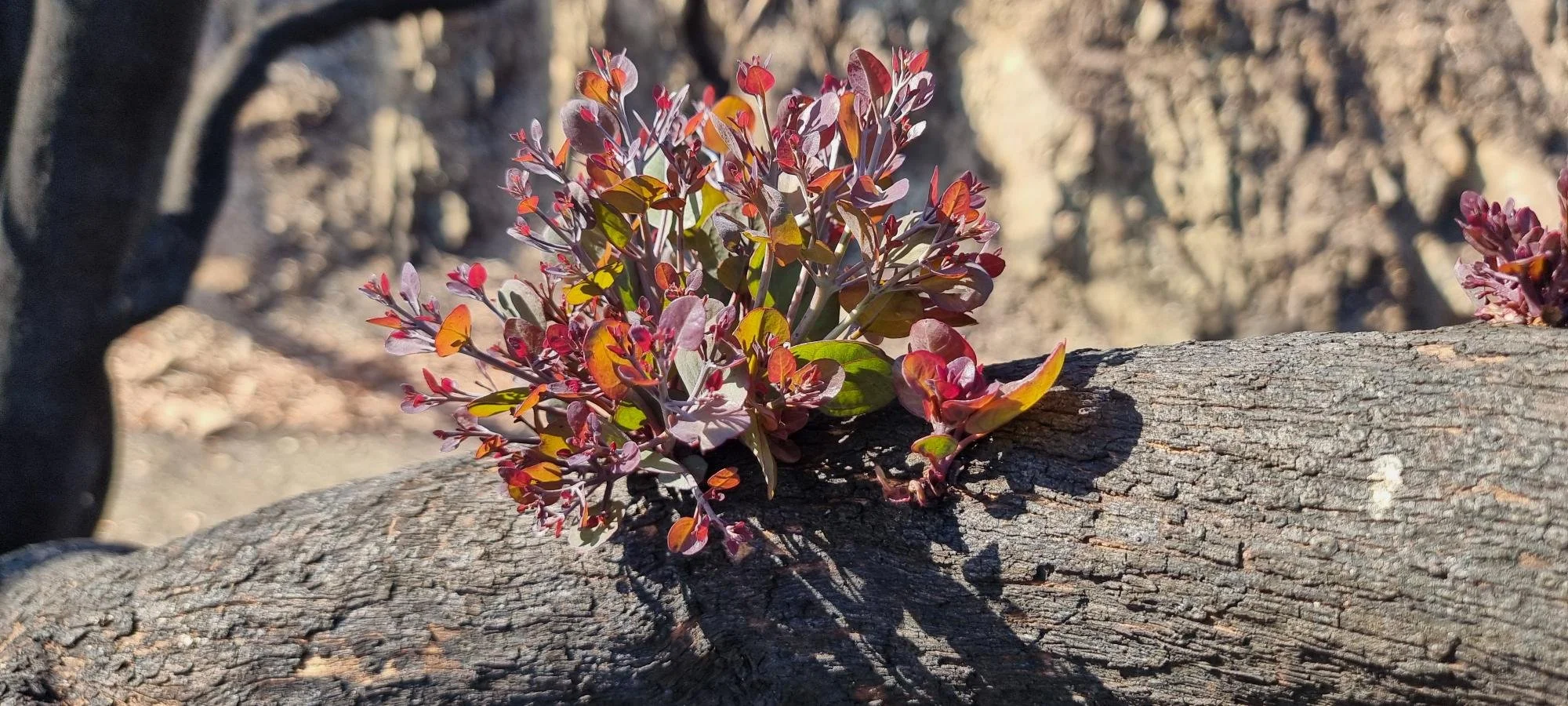
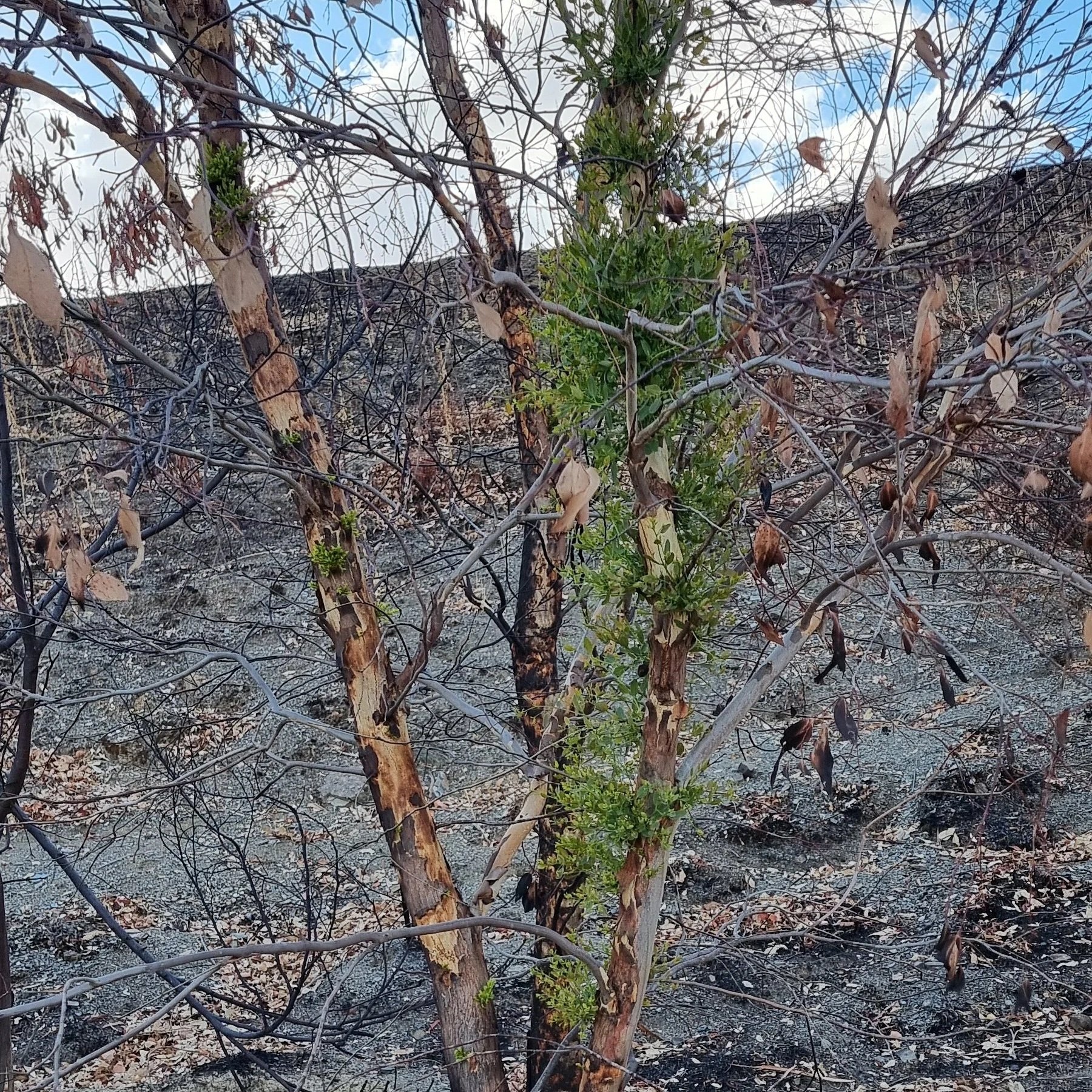
And during the day, the trees tell the same story. Along the trunks of several eucalypts, bright green epicormic shoots are emerging directly from the bark — leaves growing from what looked like completely burnt wood only weeks ago.
The trees were prepared for this
Many Australian eucalypts have evolved with fire.
Hidden beneath their bark are dormant buds called epicormic buds. Normally these buds remain inactive, shaded by the canopy above. But when fire removes leaves and allows sunlight to reach the trunk — and the tree is still alive beneath the bark — the buds activate.
The result is the familiar sight after fire:
fresh green leaves bursting straight out of blackened trunks.
This rapid regrowth is critical. It:
restores shade
reduces soil temperature
slows erosion
provides food for insects and herbivores
begins rebuilding habitat structure
To us, the landscape still looks burnt. To the ecosystem, rebuilding is underway.
Shelter becomes the limiting factor
Food sources often recover surprisingly quickly after fire. Plants reshoot, insects return, and moisture accumulates in microhabitats.
What doesn’t return quickly is shelter.
Tree hollows — used by possums, gliders, parrots, bats, reptiles and frogs — take decades to form. Even when trees survive fire, hollows may be temporarily unsuitable or lost.
That creates a bottleneck for wildlife recovery. Animals may survive the fire but struggle afterwards without safe places to:
rest
avoid predators
regulate temperature
breed
Nest boxes provide temporary refuge while natural hollows recover. Our camera footage shows this happening in real time — wildlife already inspecting and using available shelter within weeks of the fire.
The first signs of a functioning system
Early recovery rarely looks dramatic. It looks like:
leaves emerging from trunks
movement at night
small animals returning first
quiet use of shelter
life continuing at low density
A ringtail possum using a box suggests nearby feeding habitat is already adequate. A tree frog appearing indicates suitable moisture and microclimate conditions are present.
These early users matter. They begin insect control, nutrient cycling and seed movement long before the landscape appears “recovered” to us.
A landscape rebuilding itself
Fire changes a landscape quickly. Recovery is slower — but it starts right away.
Green shoots from black bark.
Night visitors in new shelter.
Small animals holding on.
These are not the end of recovery, but the beginning of it.
The bush doesn’t wait for perfect conditions.
It starts rebuilding immediately.