A Dam Transformed
A look back at how one local property's dam was brought back to life through the Up2Us dam enhancement program in 2022.
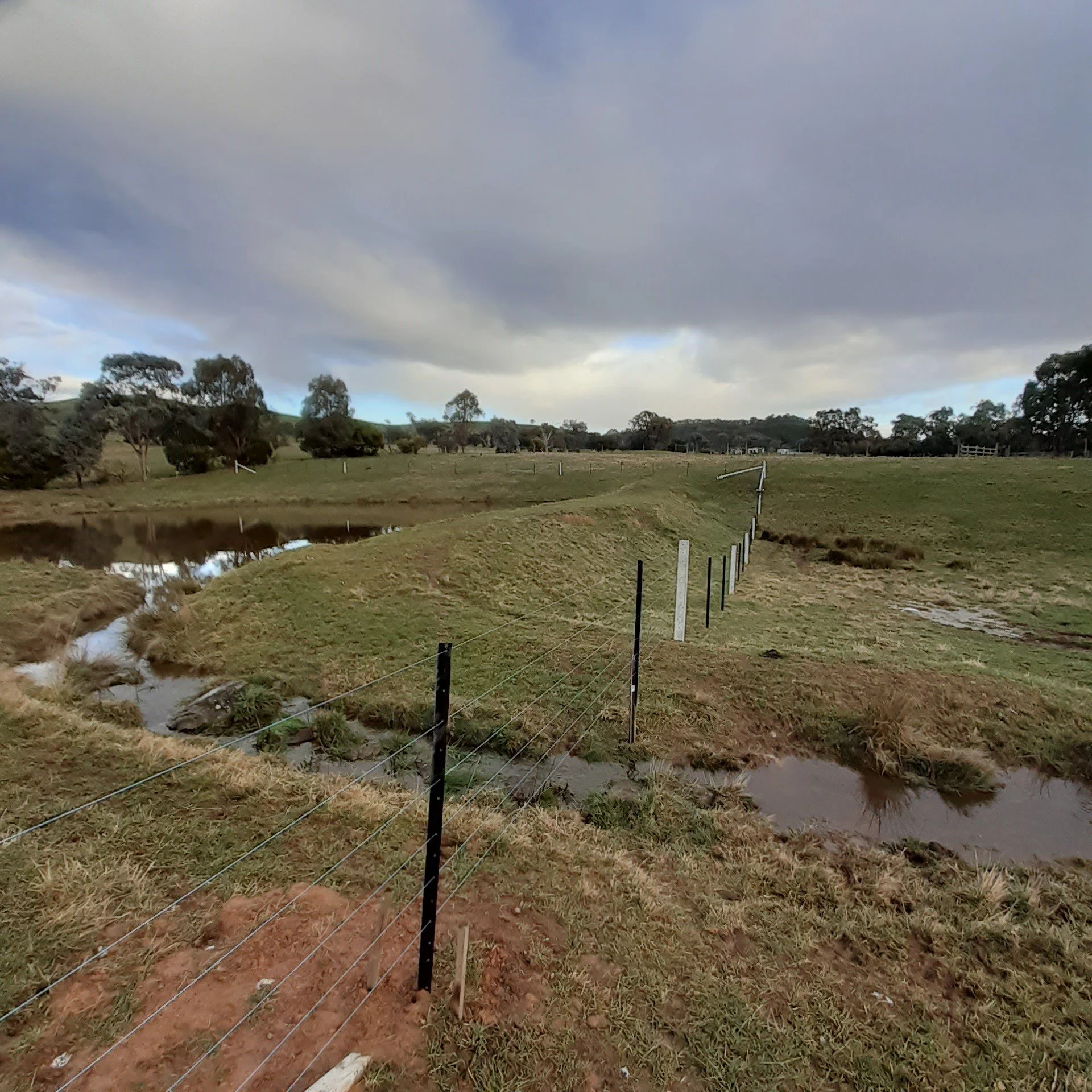
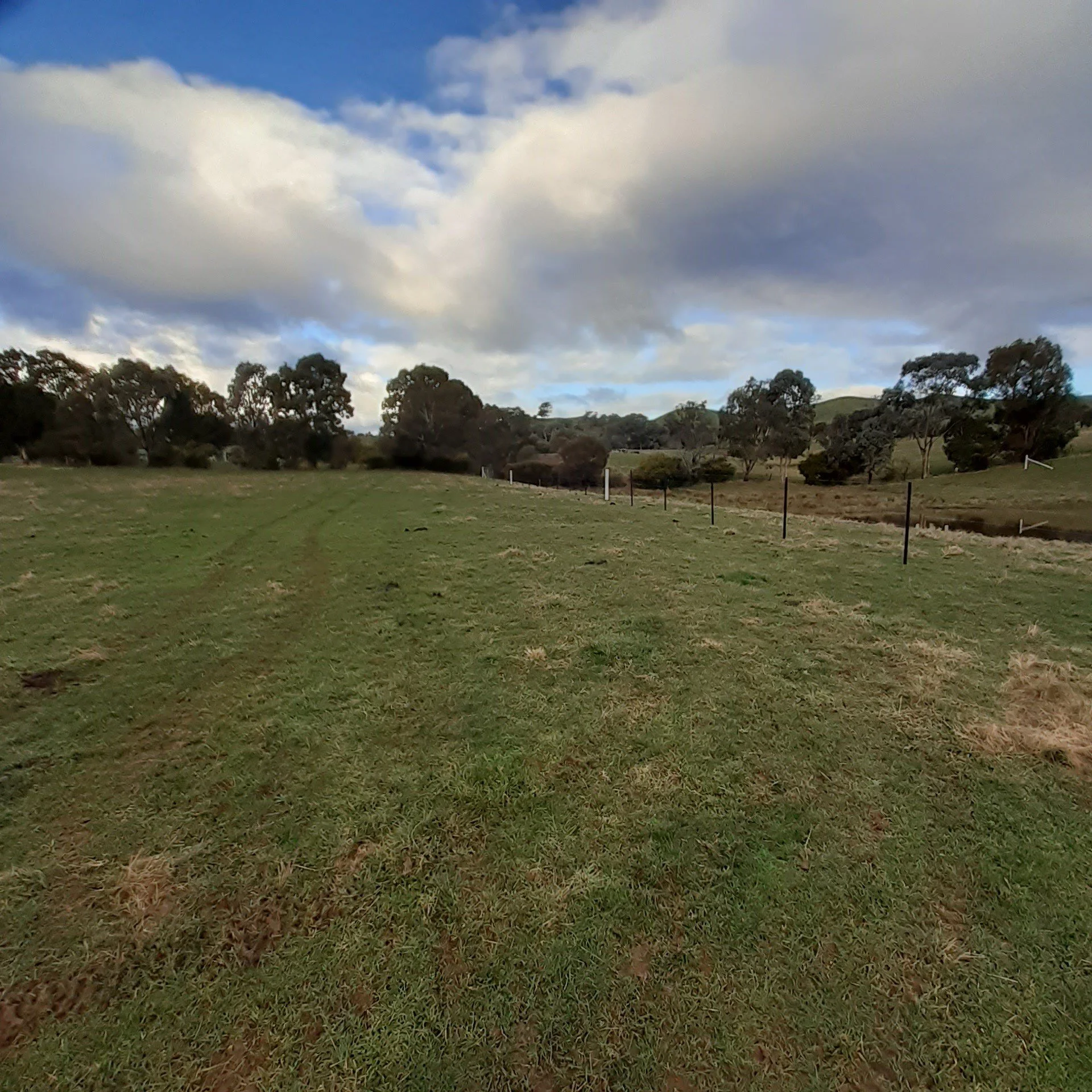
It doesn't look like much at first — a small farm dam sitting in a paddock, its banks grazed right back to bare dirt, stock freely wandering in and out of the water. It's a familiar sight across agricultural Victoria. But a few years on, that same dam can look like an entirely different place. That's exactly what happened on this local property after it joined the Up2Us dam enhancement program back in 2022.
Where It Started
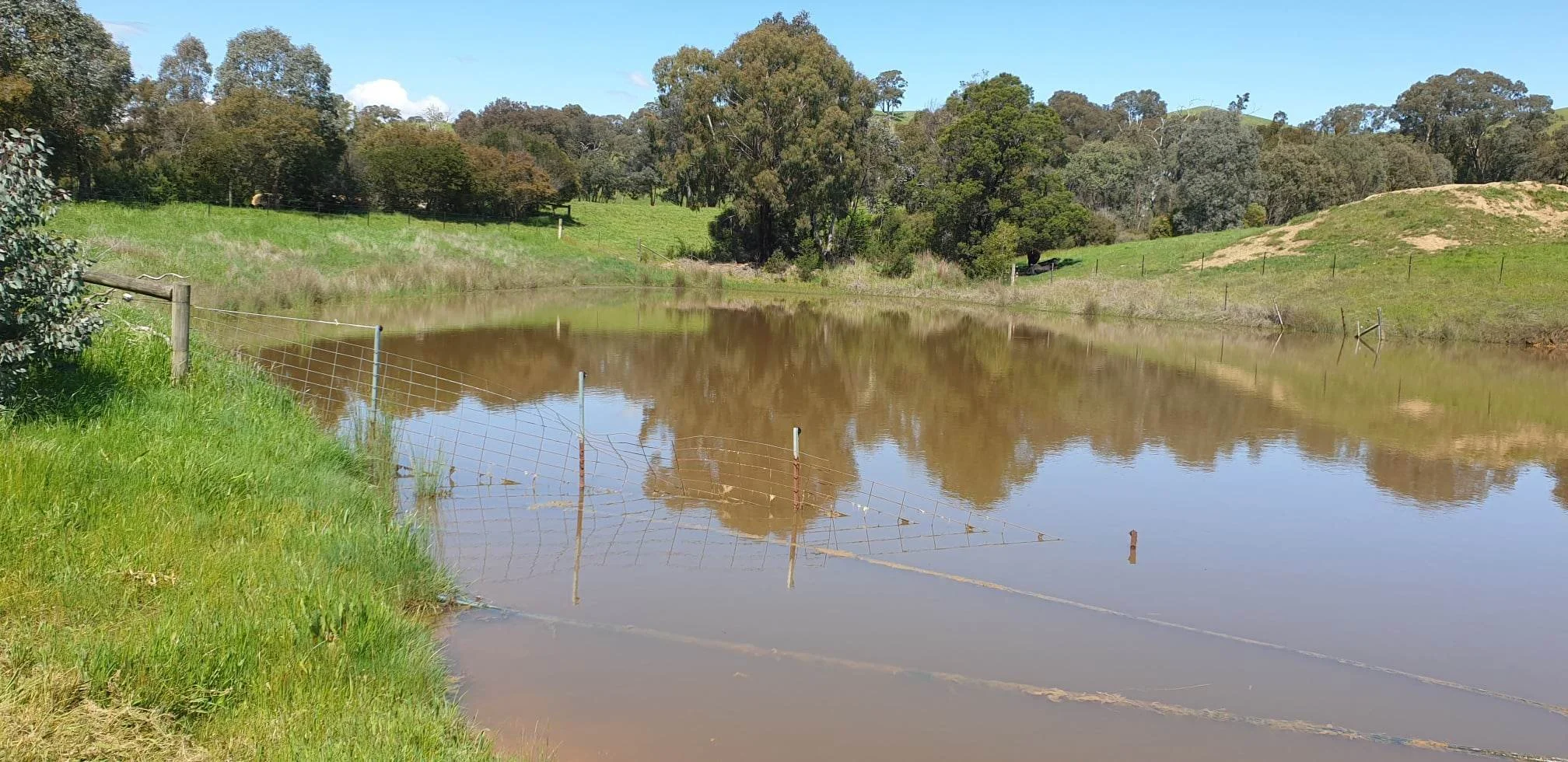
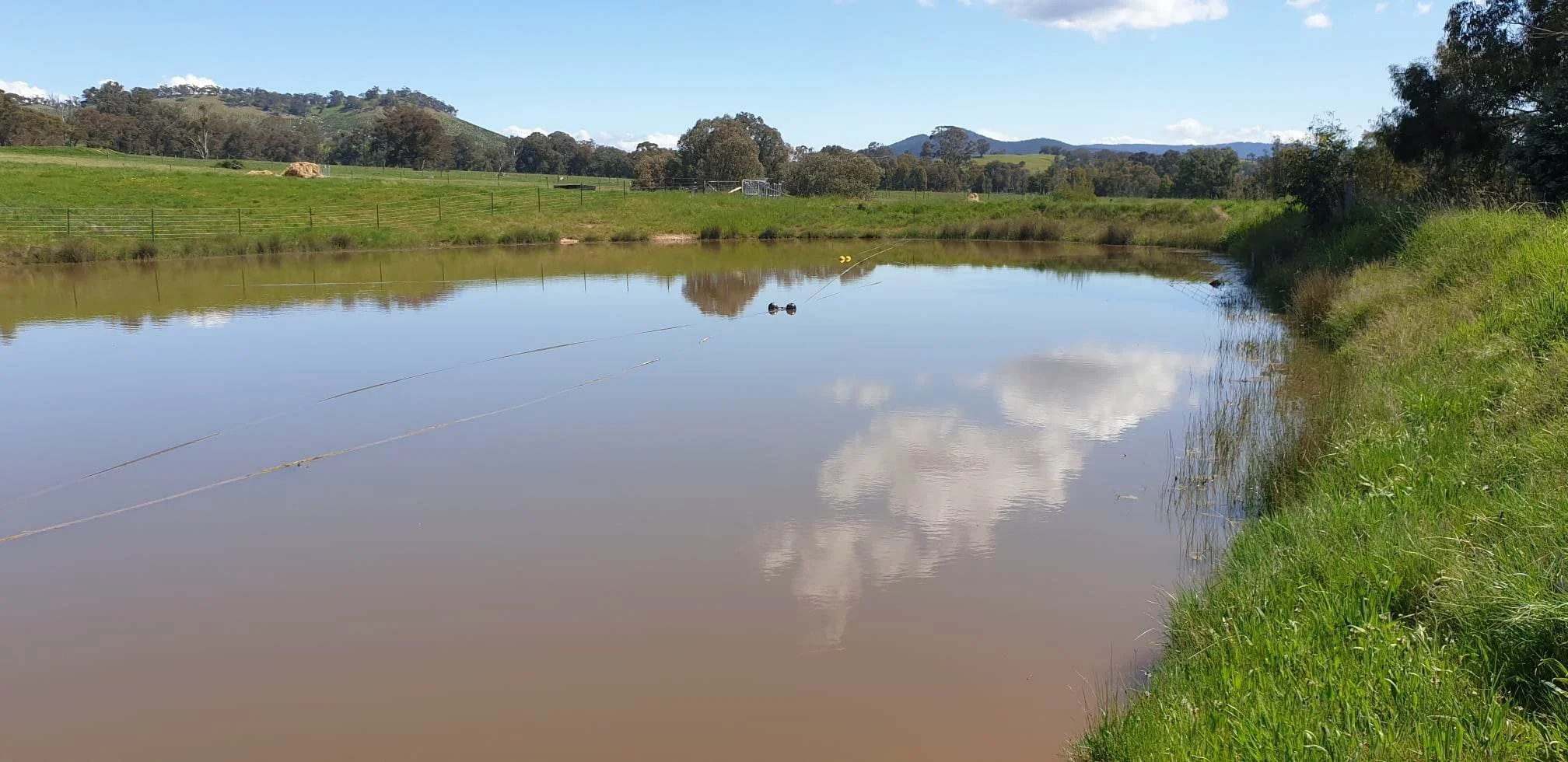
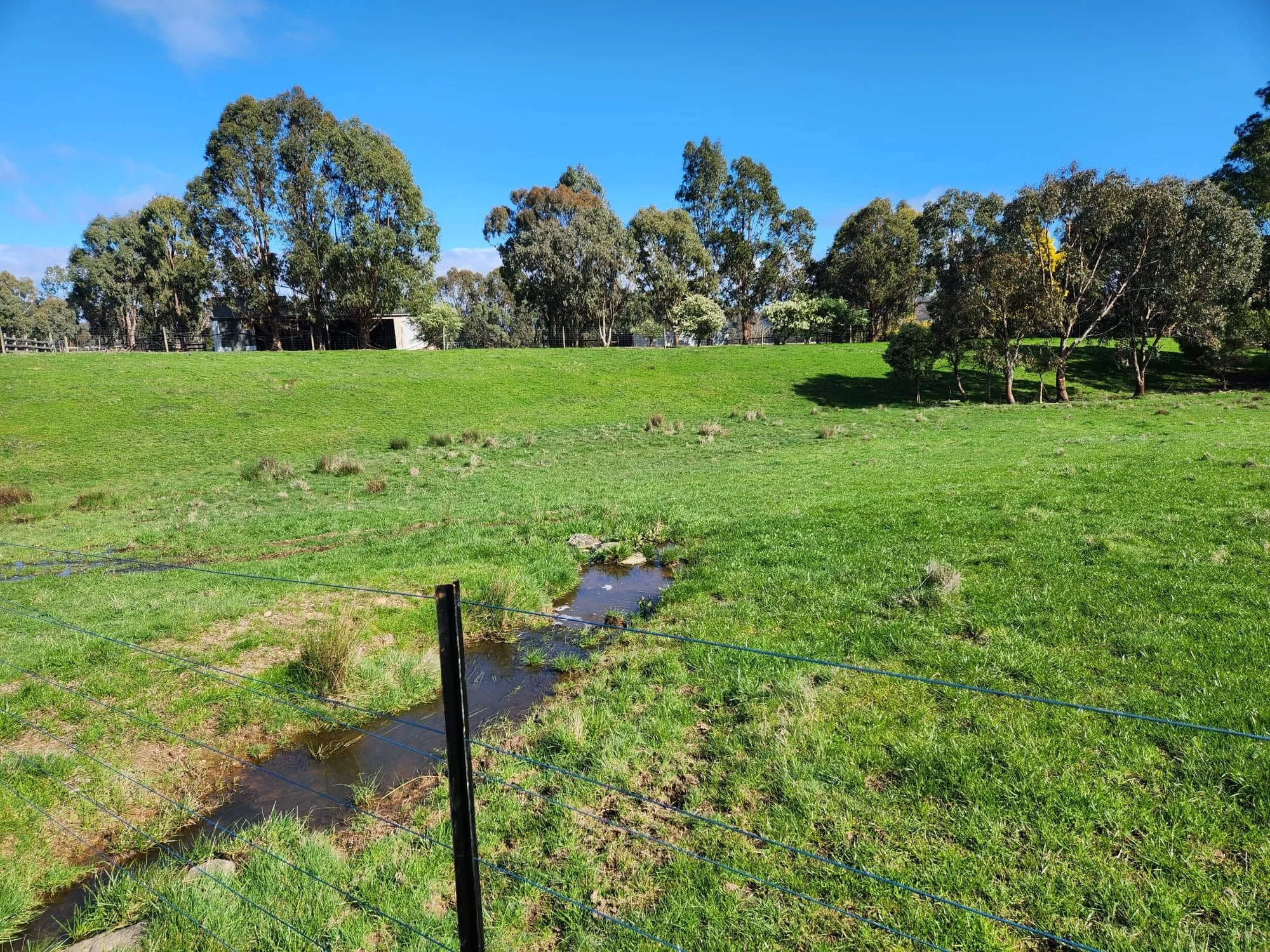
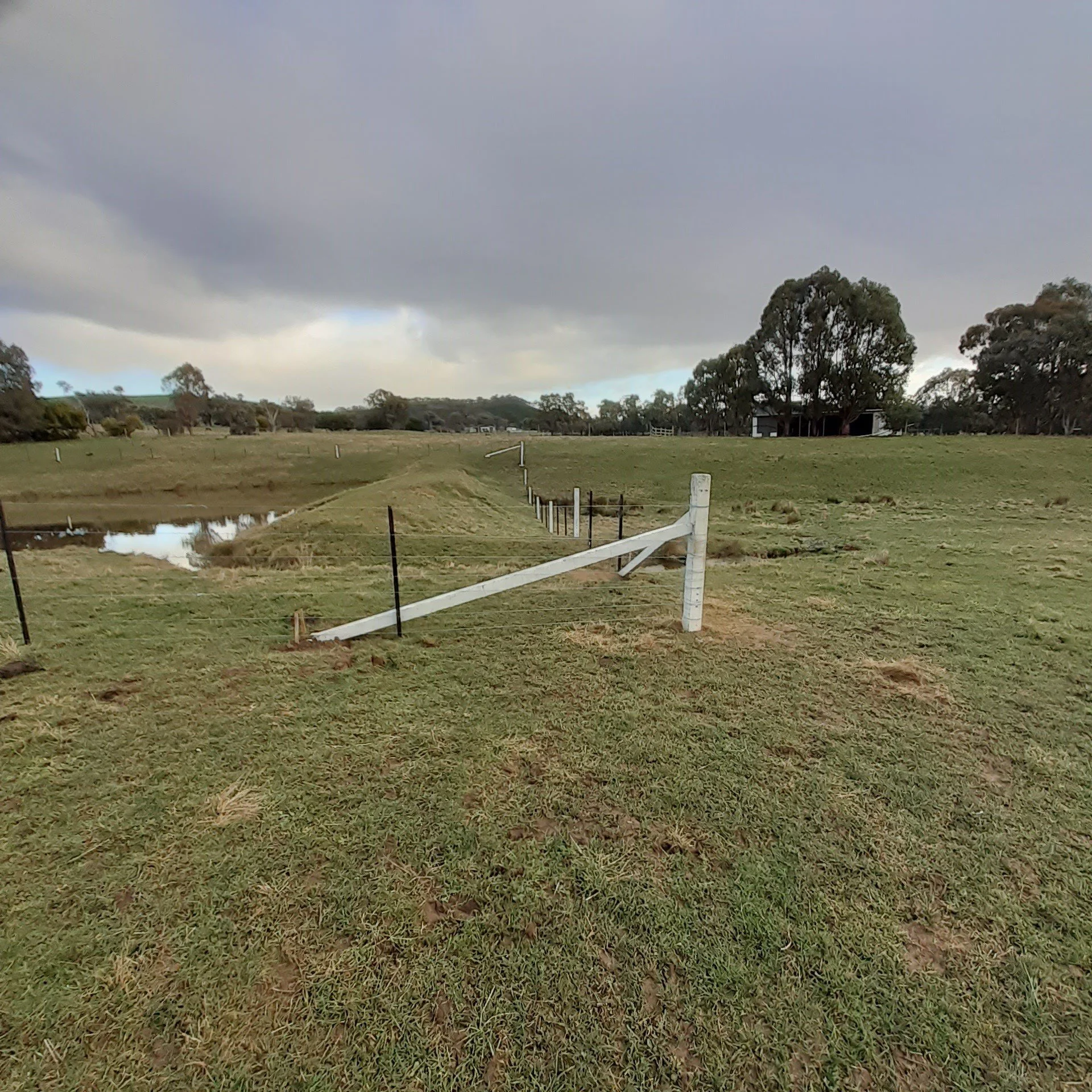
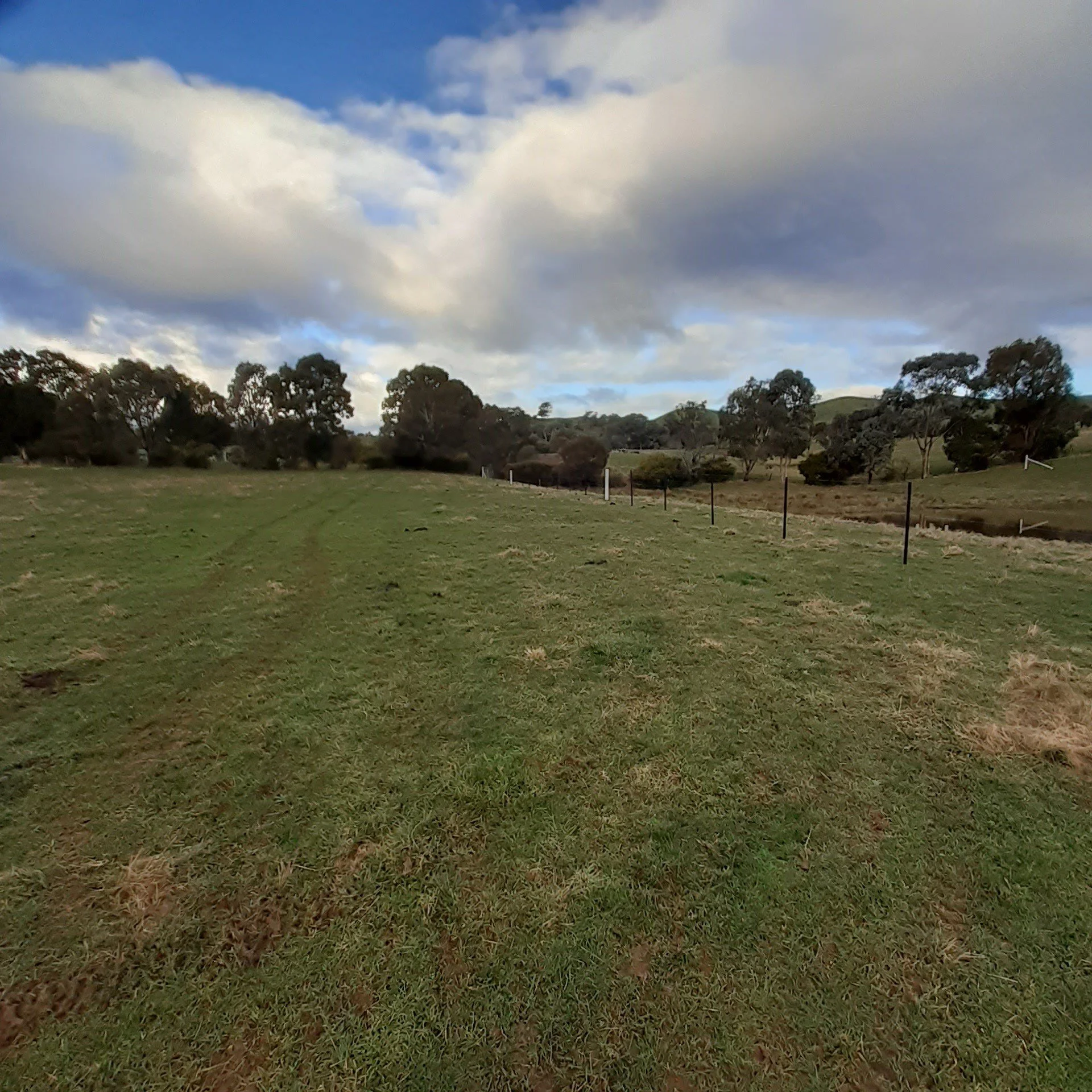
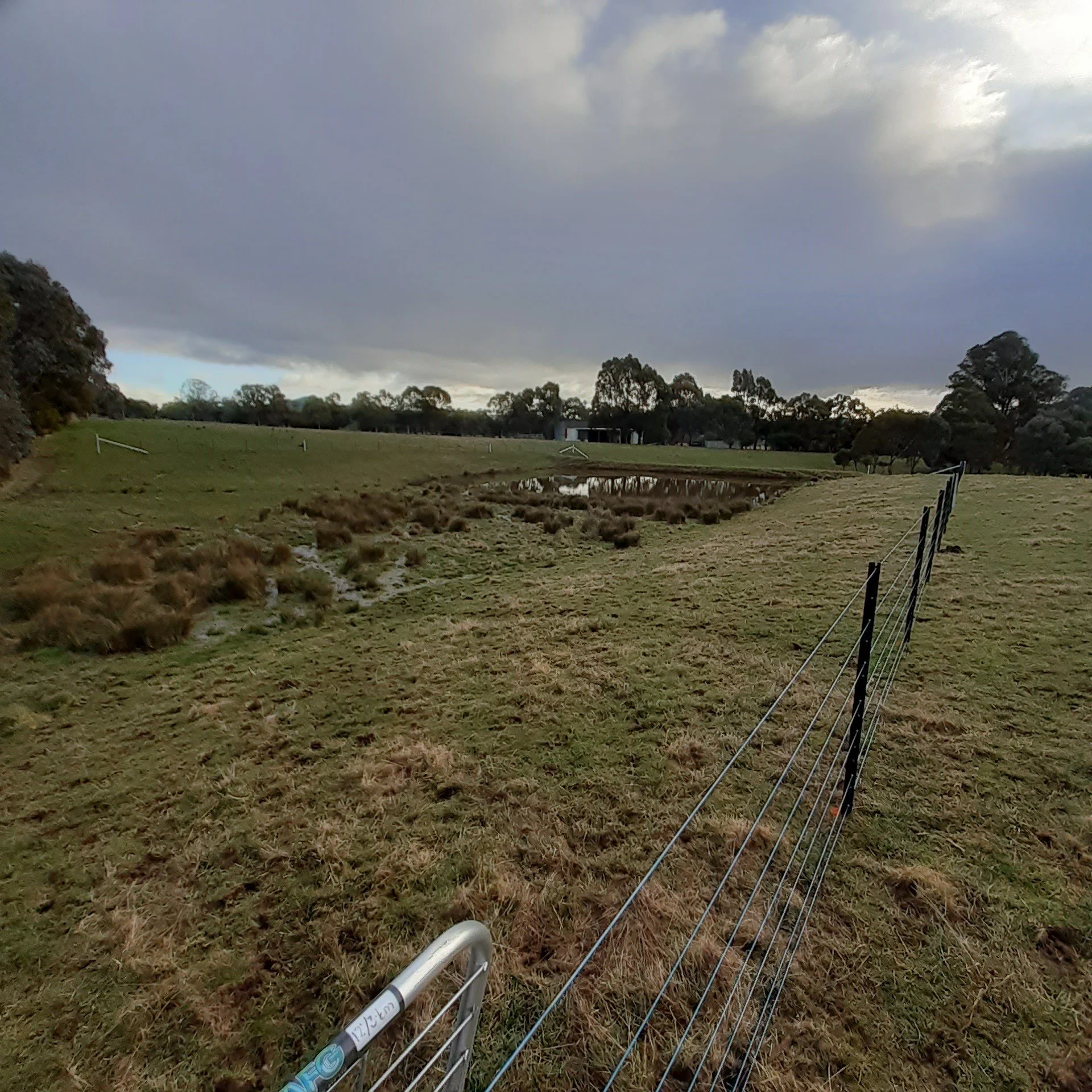
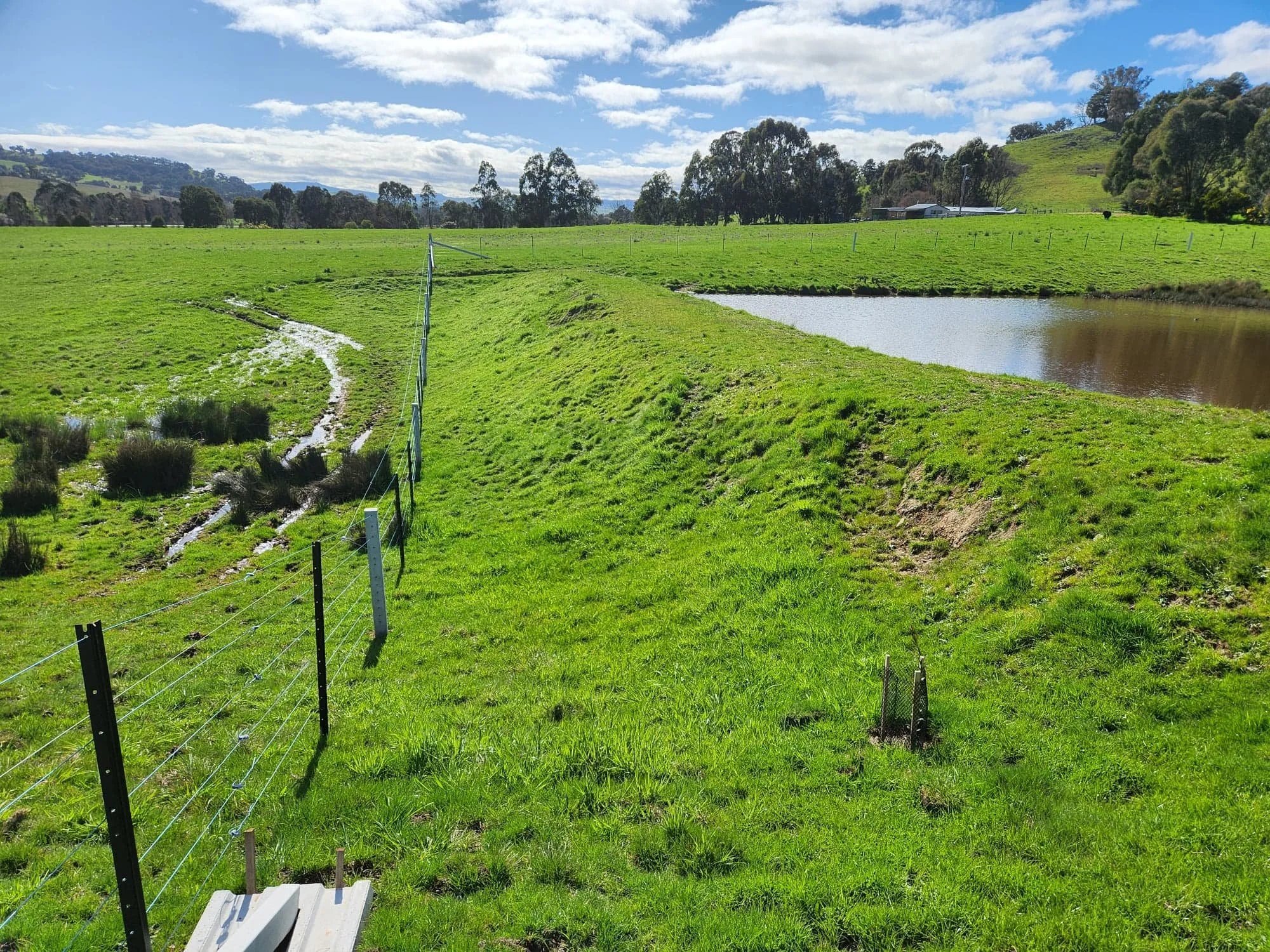
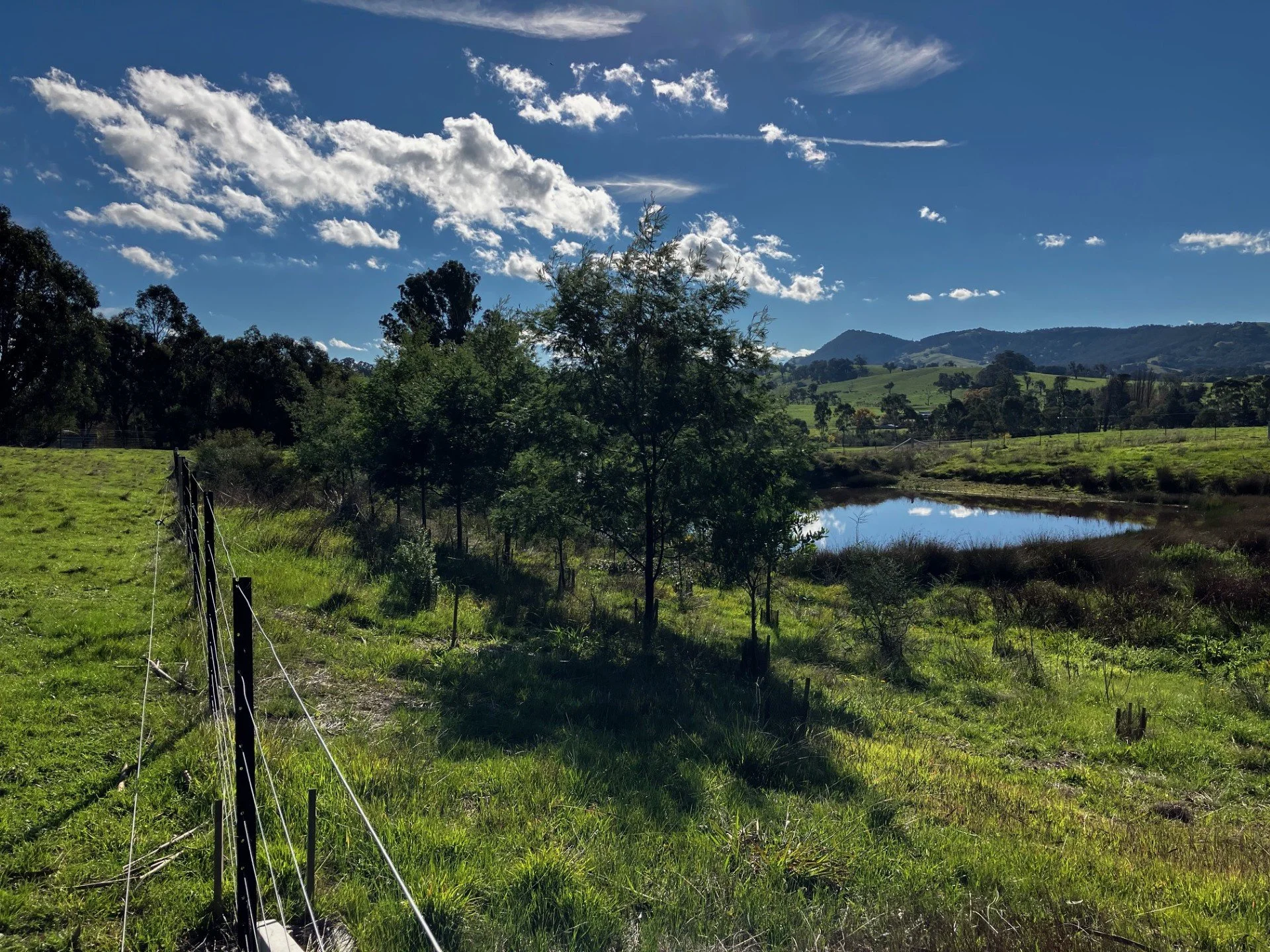
When the work began in 2022, the dam was typical of many on working farms. Stock had free access to the water, the banks were compacted and eroded, and there was virtually no vegetation buffer to slow down runoff or filter the water flowing in. Sediment was washing in with every rain event, and without any plant cover to hold the soil in place, the risk of ongoing erosion was growing.
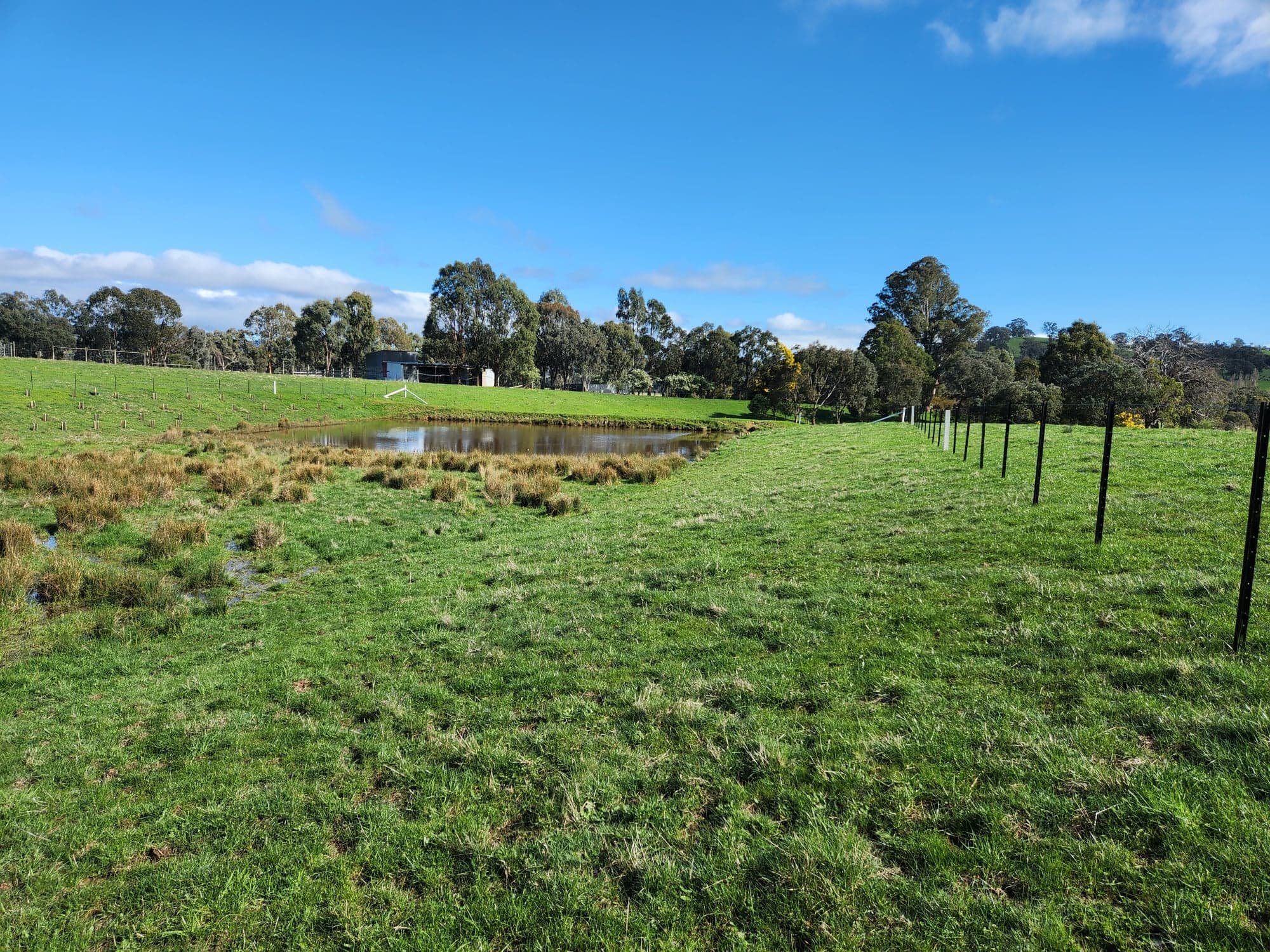
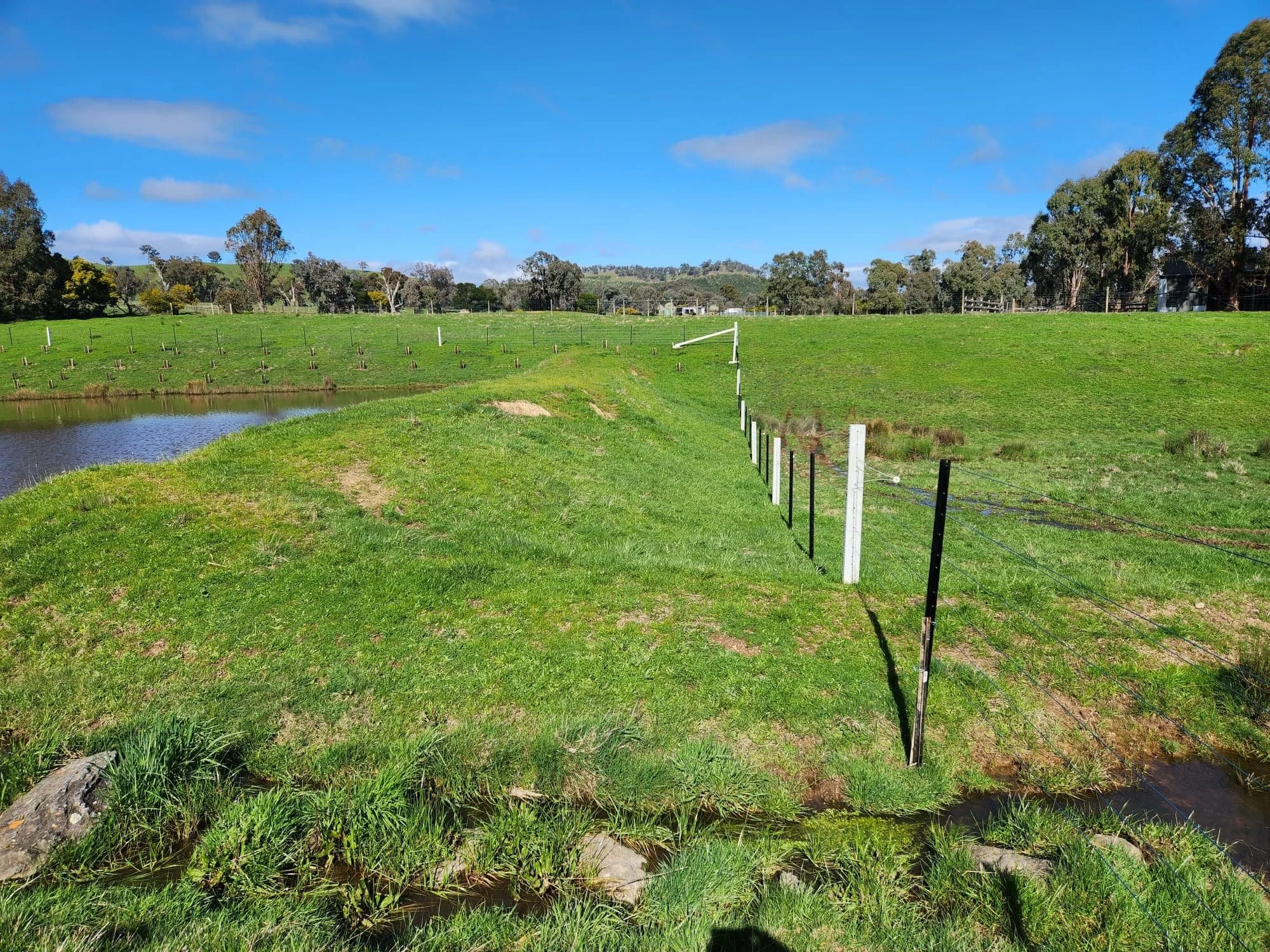
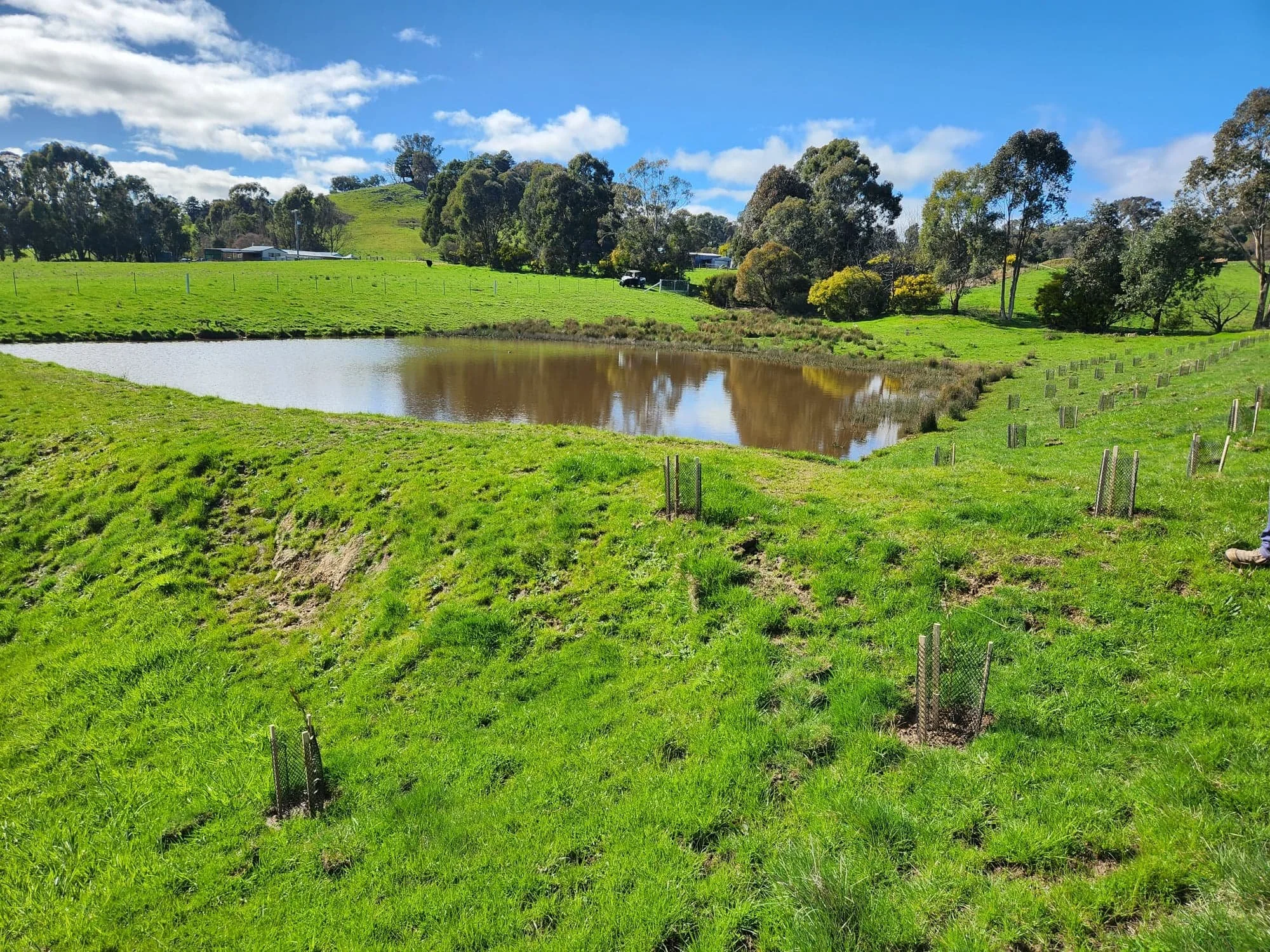
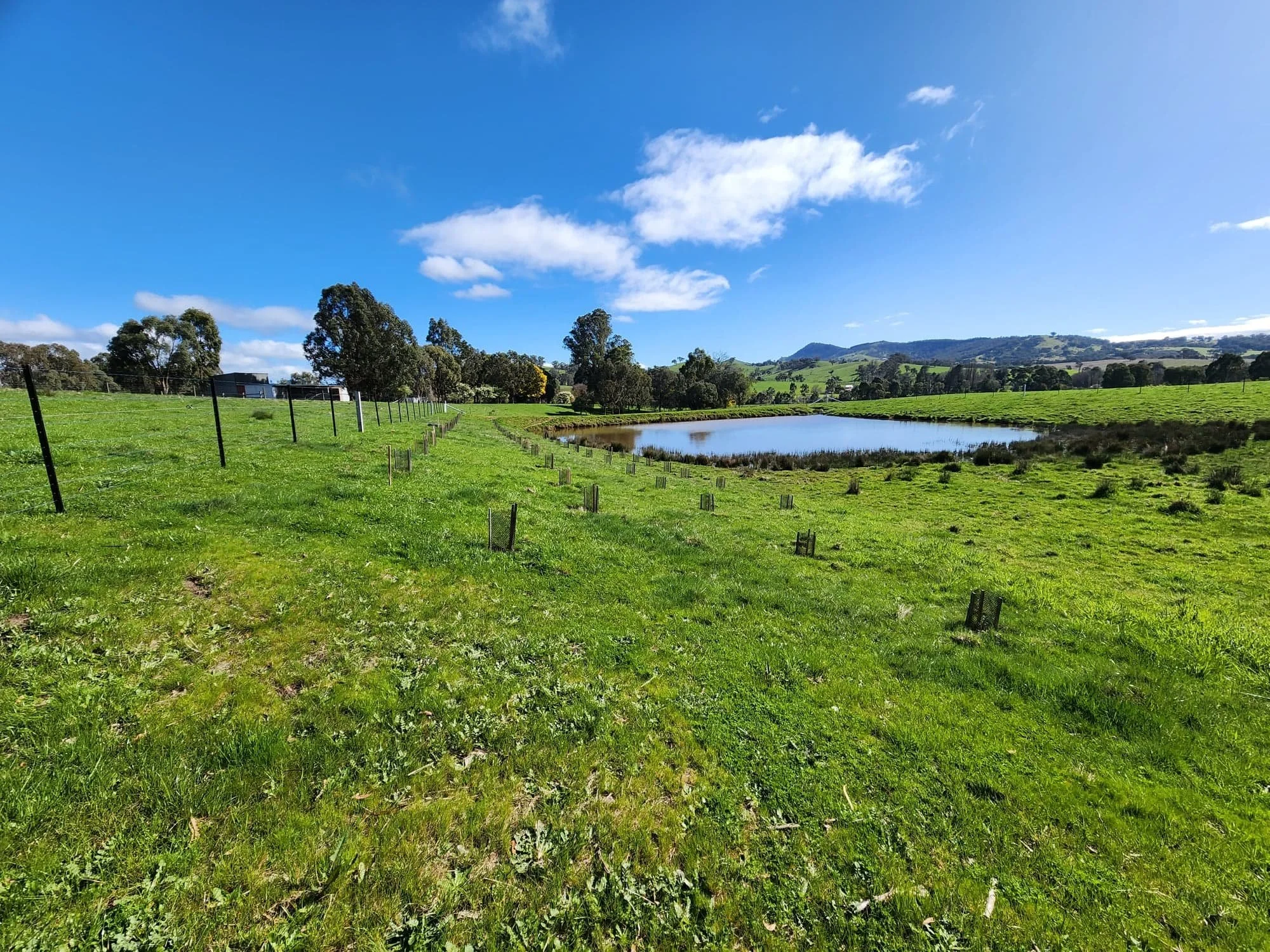
The fix wasn't complicated, but it required commitment. A fence went in around the dam to exclude livestock, and a planting got underway — indigenous species selected specifically for the site, each one protected by a guard as it got established. Standing out there in those early photos, the little plastic guards dotted across the slope might have seemed modest. But that's how regeneration starts.
What's Changed
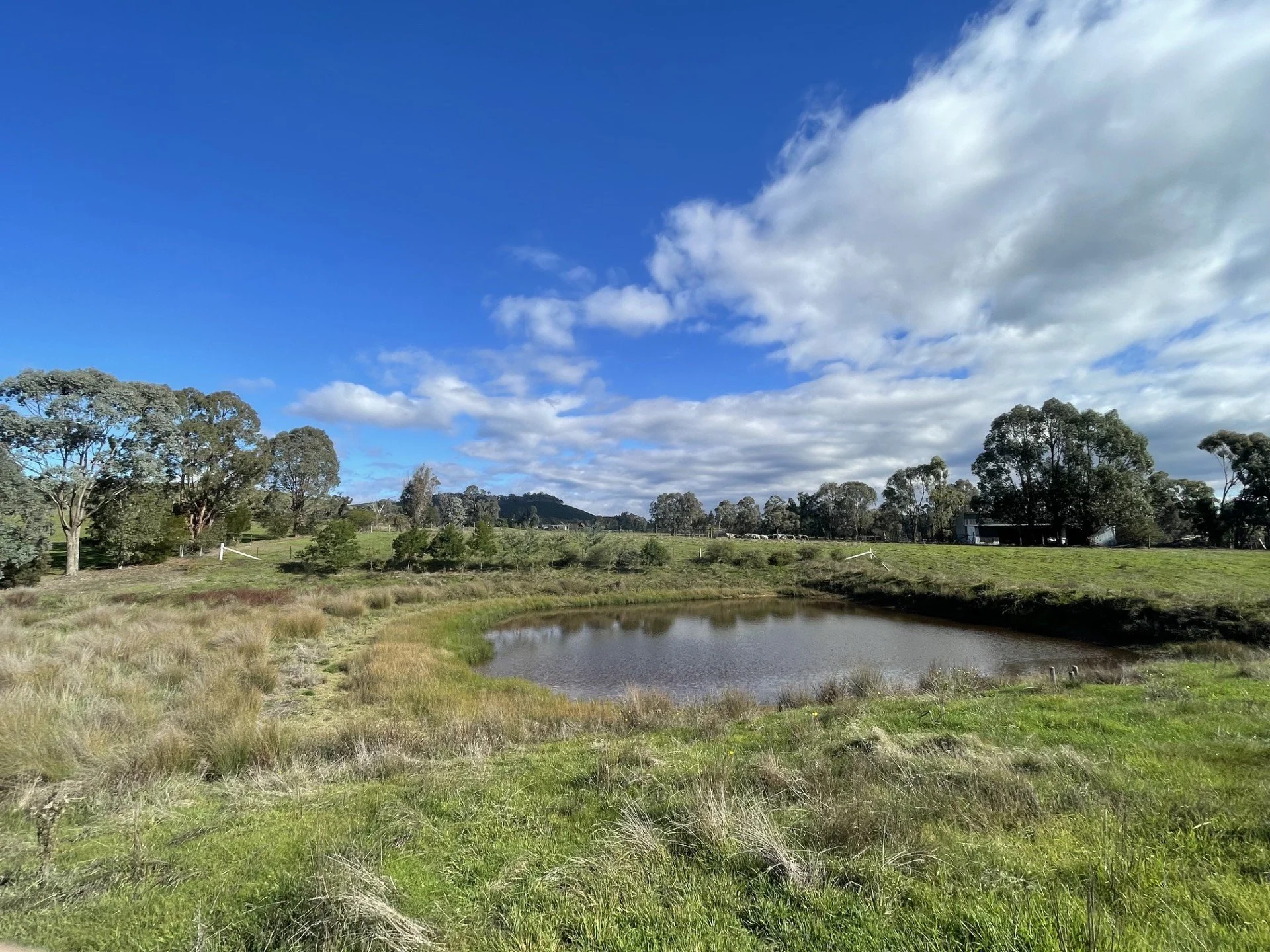
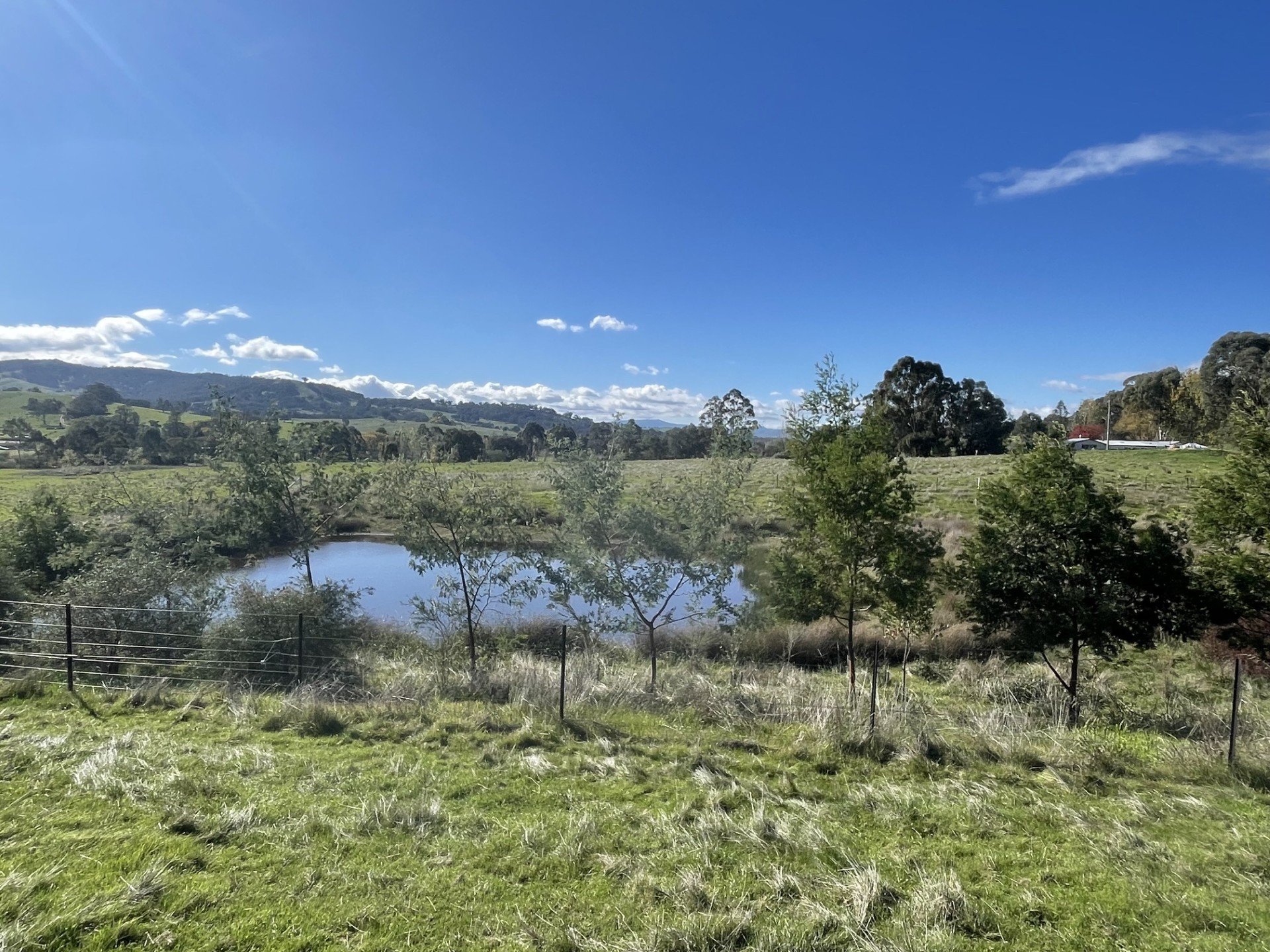
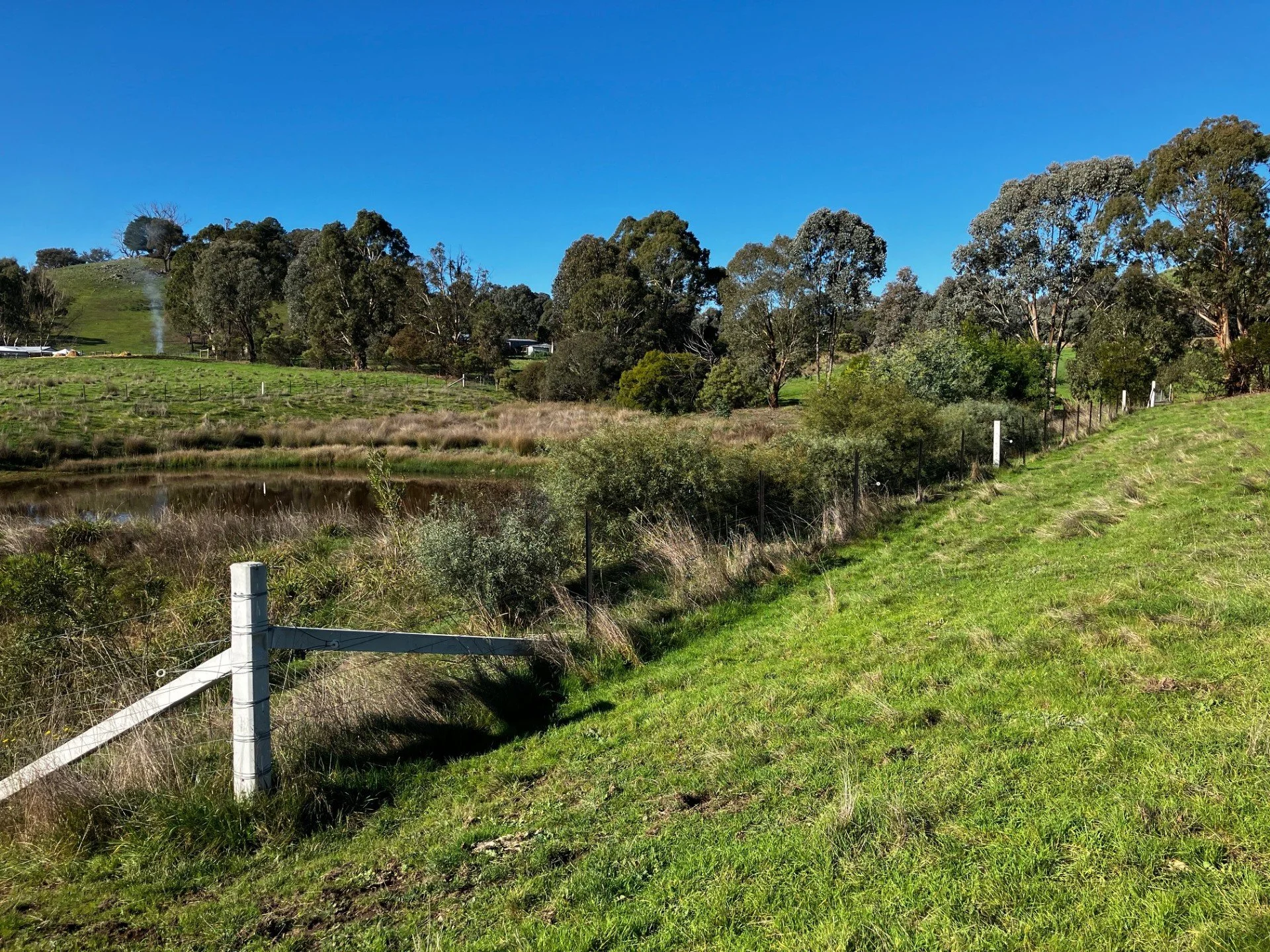
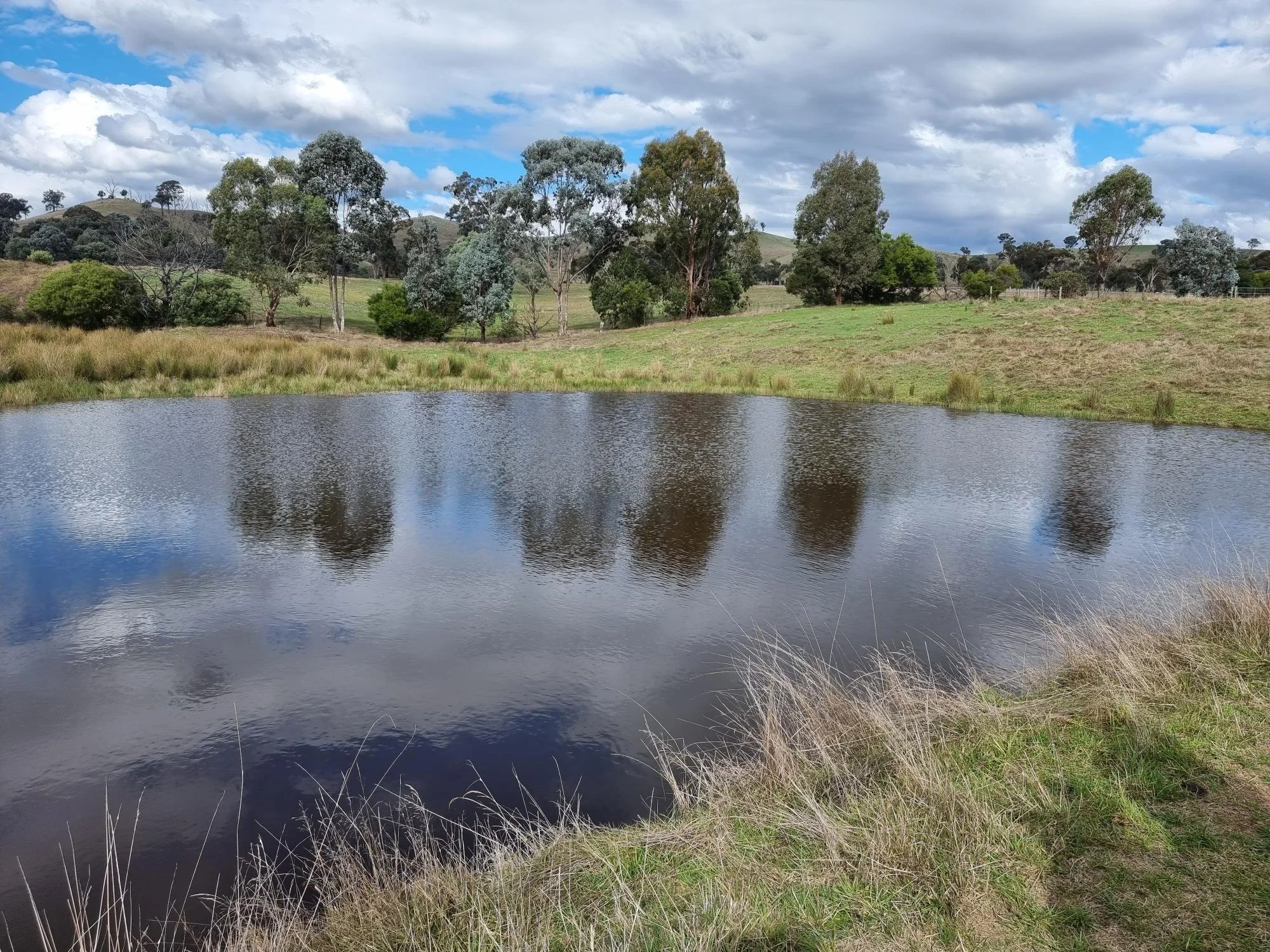
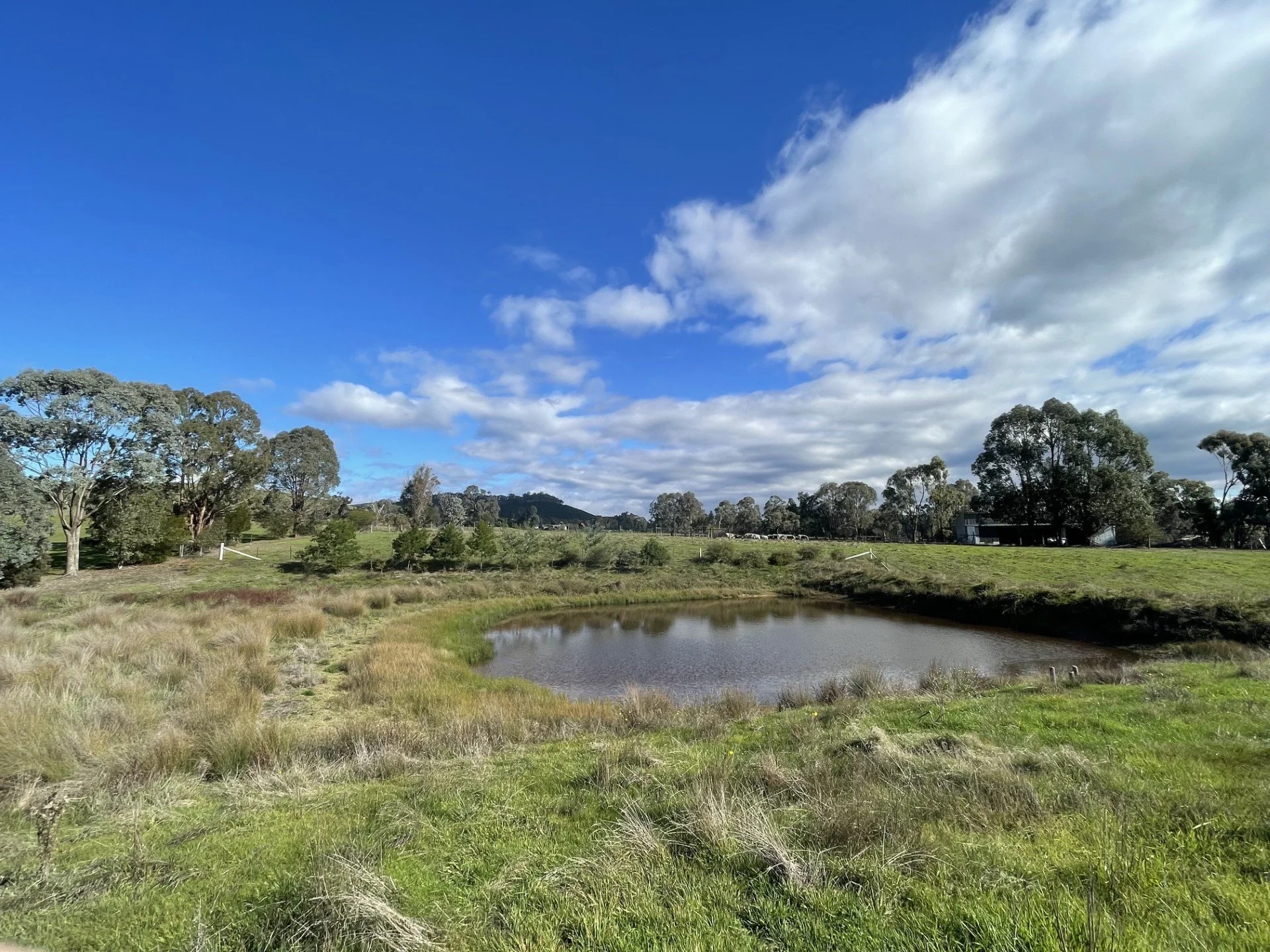
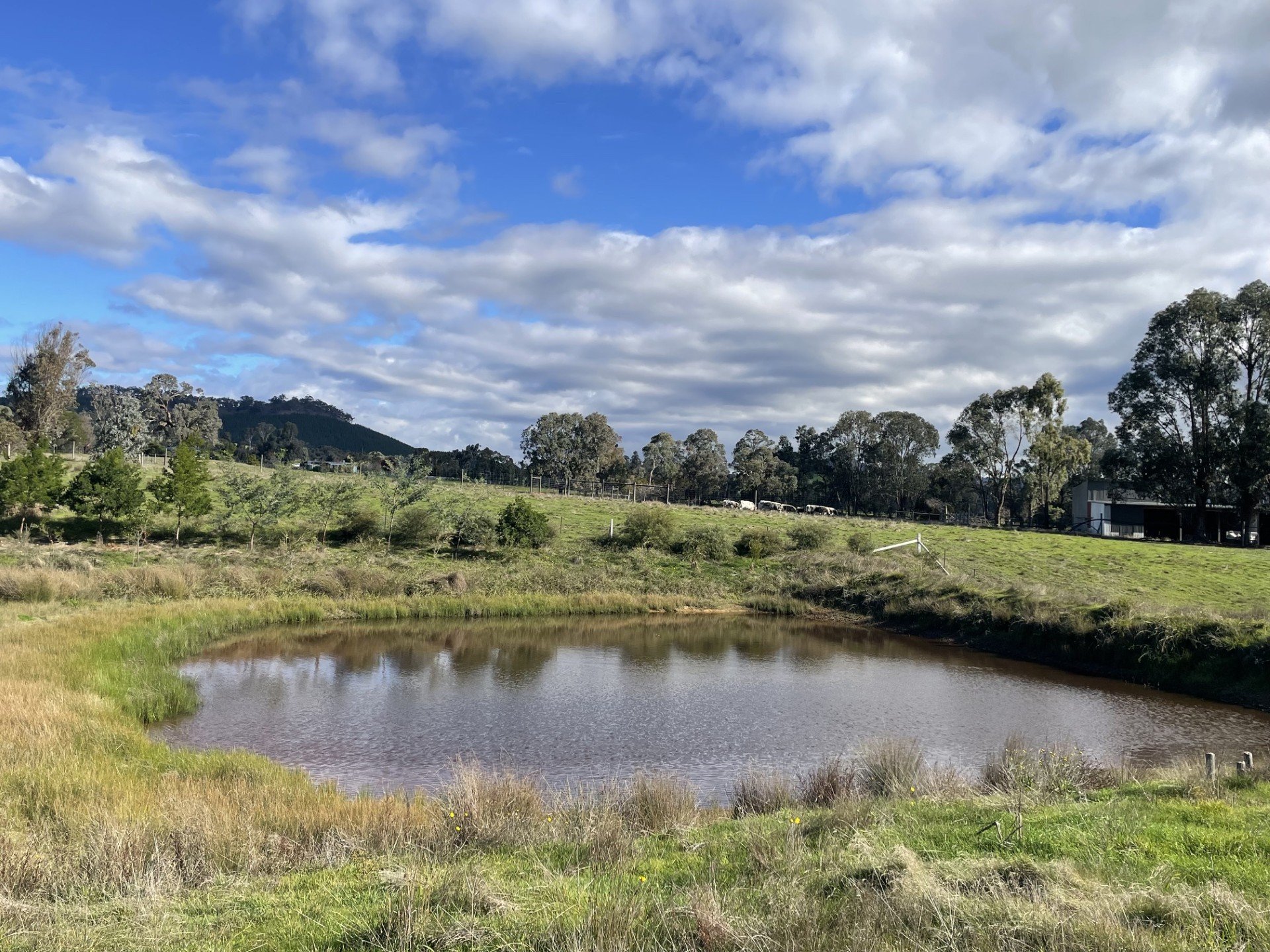
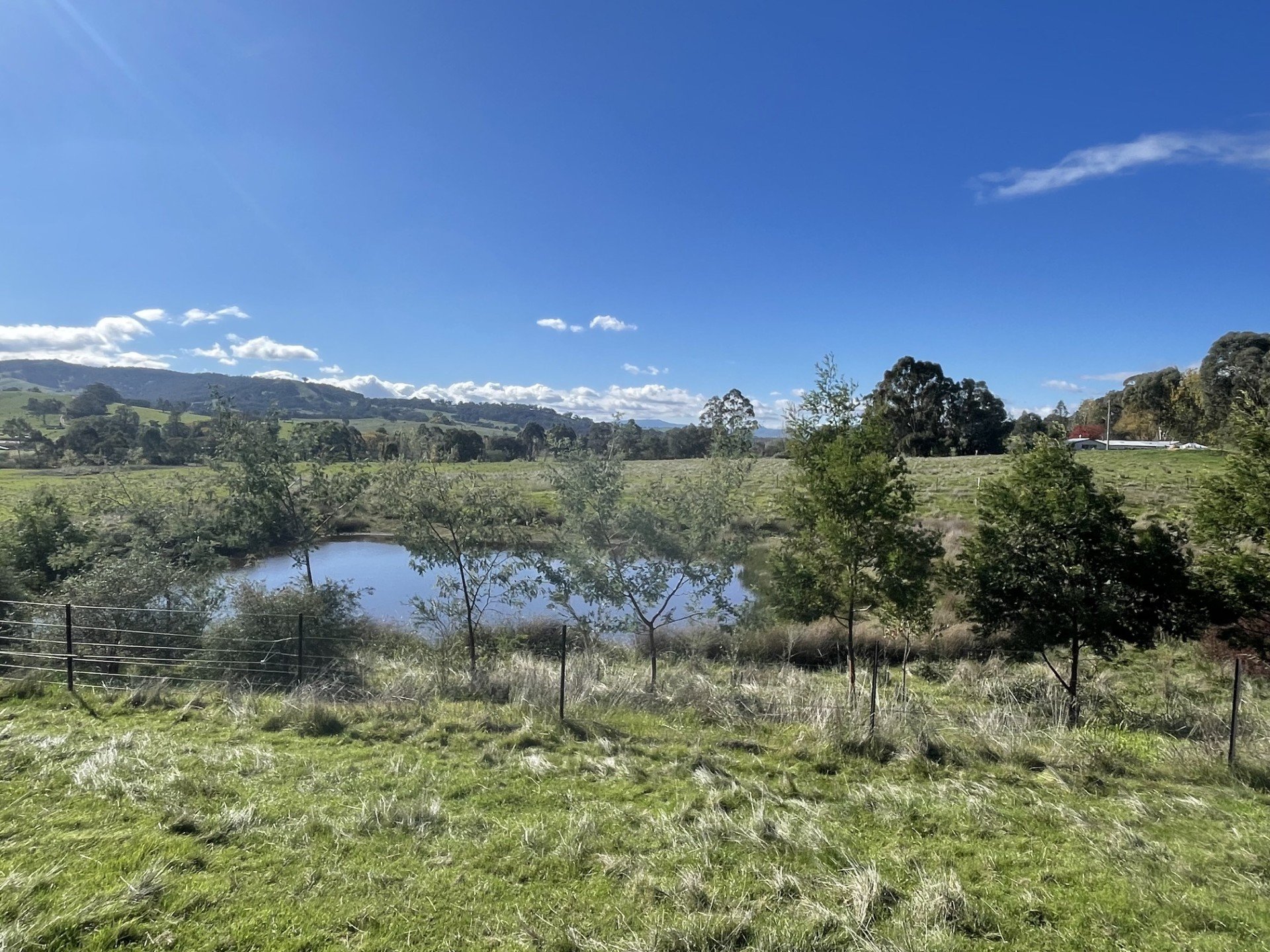
Three years later, the transformation is striking. Where there were once bare, trampled banks, there's now a dense understorey of native grasses, sedges, and shrubs building up around the water's edge. The trees that were once tiny seedlings in guards are now tall enough to cast shade across the dam. The whole area has taken on the character of a genuine wetland — layered, and humming with life in a way it wasn't before.
There's a practical bonus for the landholders too, stock now drink from a trough supplied by clean, filtered water pumped directly from the dam — a far cry from the murky water they were once wading through and defecating in.
The ecological work those plants are doing is significant. The native grasses act as a natural filter, slowing surface runoff and capturing sediment before it reaches the water. That means cleaner water in the dam, less build-up on the bed, and far reduced risk of bank erosion over time. The dense vegetation along the margins has also stabilised the soil.
But perhaps the most visible change is the biodiversity. The fenced-off dam has become a refuge — a patch of structured native habitat in the middle of open farmland. Birds have moved in, using the trees and shrubs for nesting and shelter. The wetland margins are now habitat for aquatic invertebrates and frogs. Lizards and snakes have found the dense grass and leaf litter they need. In a landscape that can be quite sparse in terms of natural cover, this dam has become what ecologists call a stepping stone: a node of habitat that native animals can move between, connecting the farm to the broader landscape around it.
Why It Matters
It's worth pausing to think about what this kind of project represents at a landscape scale. One dam enhanced and fenced off might seem like a small thing. But multiply that across a catchment — across dozens of properties participating in programs like this — and you start to see the cumulative picture. Each site becomes part of a network, a series of habitat patches and clean water sources that together make the landscape more resilient and more alive.
For the landholders who took part, there's also something quietly satisfying about watching it unfold over time. The planting days are done, the fences are up, and now nature is largely doing the work. The photos from 2022 and the photos from today tell the story better than any monitoring data could — a dam that was once an afterthought has become one of the most ecologically active corners of the property.
That's the Up2Us model in action: practical, locally grounded, and built on the understanding that small changes, done well and given time, add up to something genuinely meaningful.