
Carbon on Farm
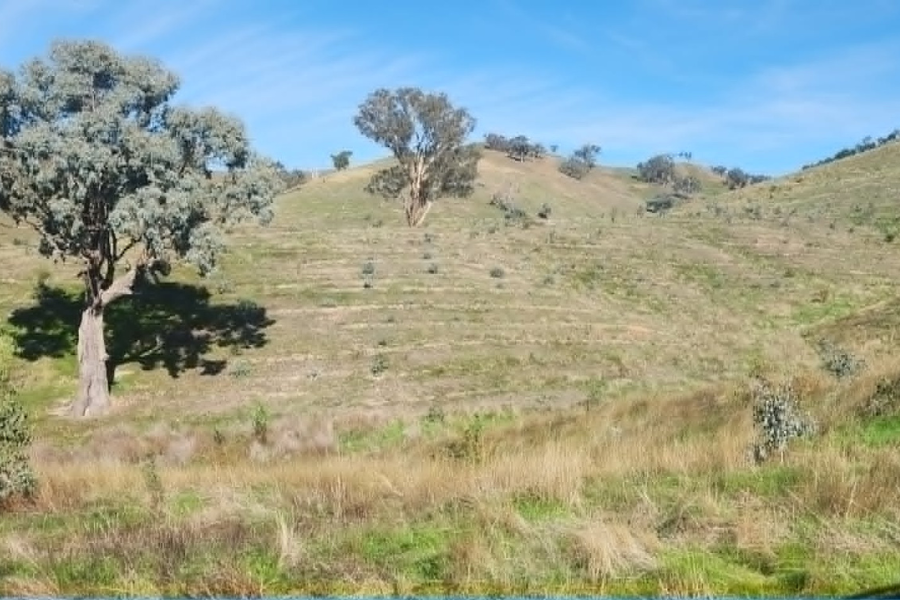
Carbon on farm plays an important role in building drought resilience and supporting the long-term sustainability of agricultural systems. Carbon is stored in soils, vegetation, and organic matter, where it helps improve soil structure, increase water infiltration, and enhance the ability of the land to retain moisture during extended dry periods.
Higher levels of soil carbon generally support more productive and stable farming systems by strengthening plant growth, reducing erosion risk, and improving nutrient availability, all of which are critical under drought conditions.
Key benefits of retaining carbon on farm include:
Improved soil structure, allowing better water infiltration and reduced runoff
Greater soil moisture retention, helping plants access water for longer
Enhanced nutrient cycling and soil biological activity supporting plant growth
Reduced erosion and land degradation during dry and windy conditions
Increased overall system resilience to climate variability and drought stress
Increasing and Retaining Carbon on Farm
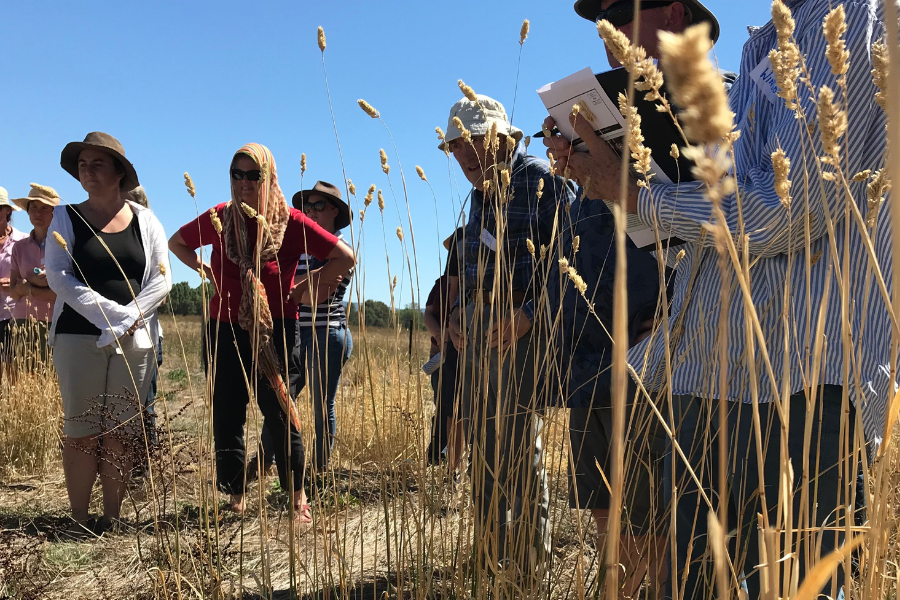
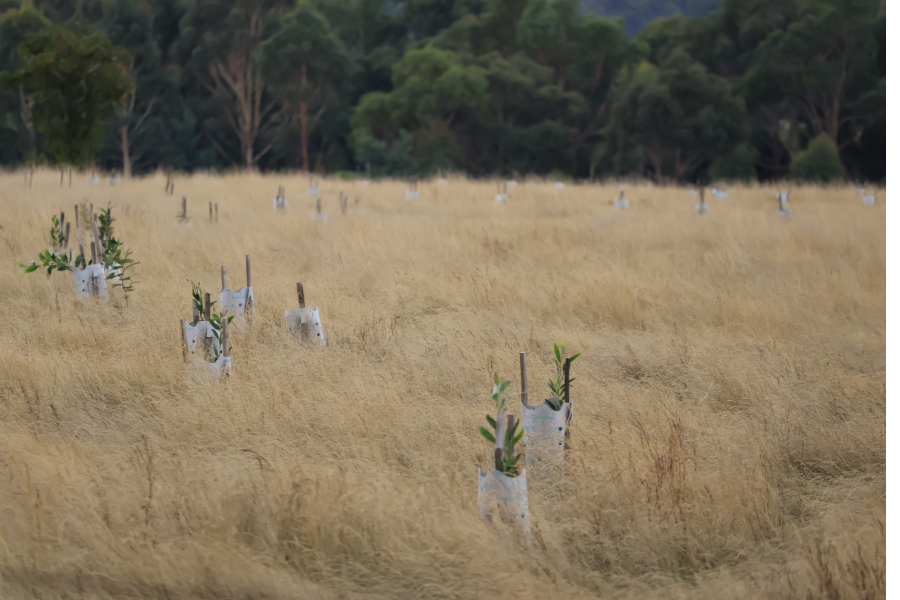
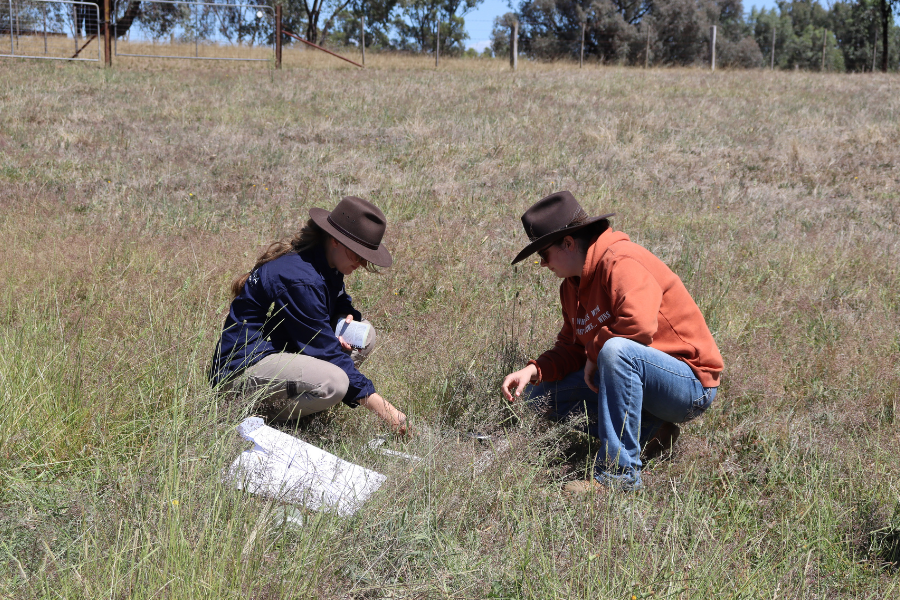
Increasing and retaining carbon on farm relies on practices that build soil organic matter, protect existing carbon stores, and support healthy, functioning ecosystems over time. The most effective approaches focus on keeping living roots in the ground, reducing soil disturbance, and maintaining consistent groundcover so that carbon can accumulate and be stabilised in the soil. Because carbon can be lost quickly through erosion, overgrazing, and intensive cultivation, management decisions that protect soil structure are just as important as those that add new carbon inputs.
On-farm strategies to retain and increase carbon include:
Maintaining continuous groundcover through pasture, cover crops, or retaining crop residues
Minimising soil disturbance by reducing or avoiding tillage where possible
Using rotational/regenerative grazing practices to prevent overgrazing and support pasture recovery
Increasing plant diversity and prioritising deep-rooted perennial species
Applying organic amendments such as compost, manure, or mulch where appropriate
Protecting soils from erosion through windbreaks, water management, and careful stocking rates
This program/project of the Regional Drought Resilience Planning program received funding from the Australian Government’s Future Drought Fund and the Victorian Government.