
Groundcover
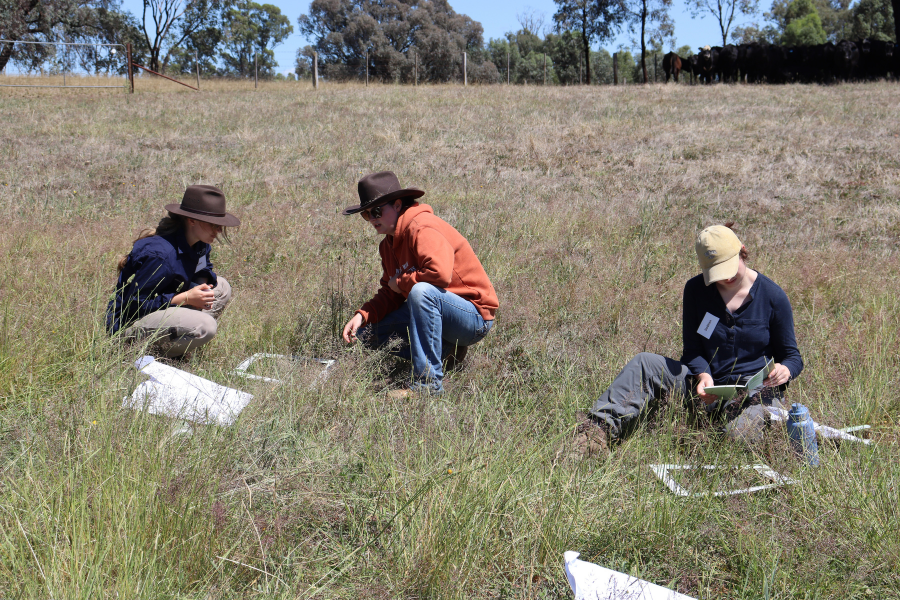
Groundcover refers to plant material, both living and dead such as grasses, plants, mulch, and plant residues that cover and protect the soil surface. It plays an essential role in maintaining healthy landscapes, especially during dry periods.
Groundcover serves essential functions in protecting soil health and therefore enhancing resilience in dry times. Maintaining groundcover serves to;
Help regulate soil temperature - covered soil stays cooler, protecting plant roots and soil organisms from extreme heat.
Increase organic matter - organic matter improves soil structure and increases water holding capacity.
Support nutrient cycling - breaking down plant matter feeds soil microbes, which ensure healthy soil structure and function.
Protect soil from erosion - reduces the risk of wind and water erosion as well as prevents excessive evaporation.
Groundcover is a key factor in drought resilience, enabling landscapes and ecosystems to cope with limited water, adapt to dry conditions, and recover more quickly when rainfall returns by maintaining soil condition and moisture. Overall, it is vital for protecting soil, conserving water, and supporting drought resilience and recovery.
How to increase groundcover on farm
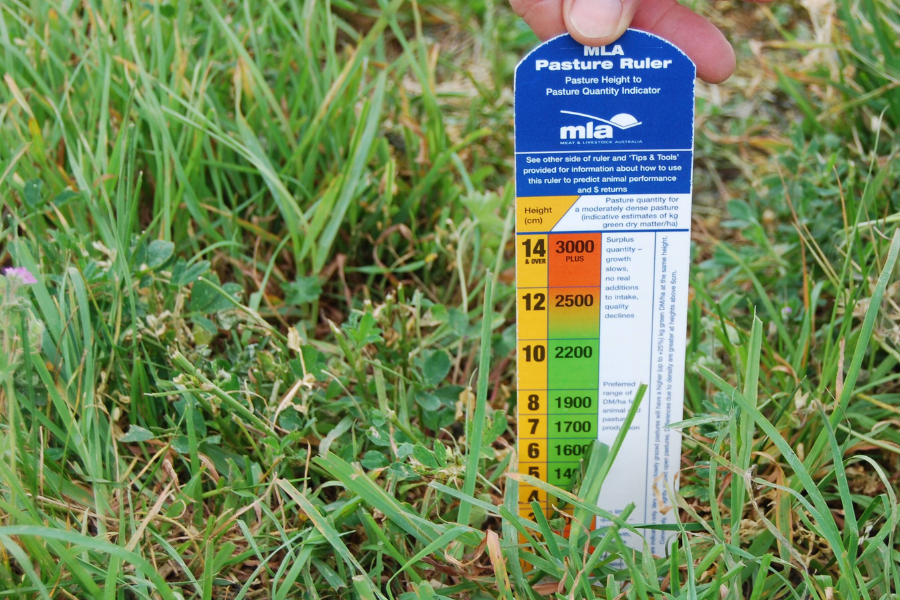
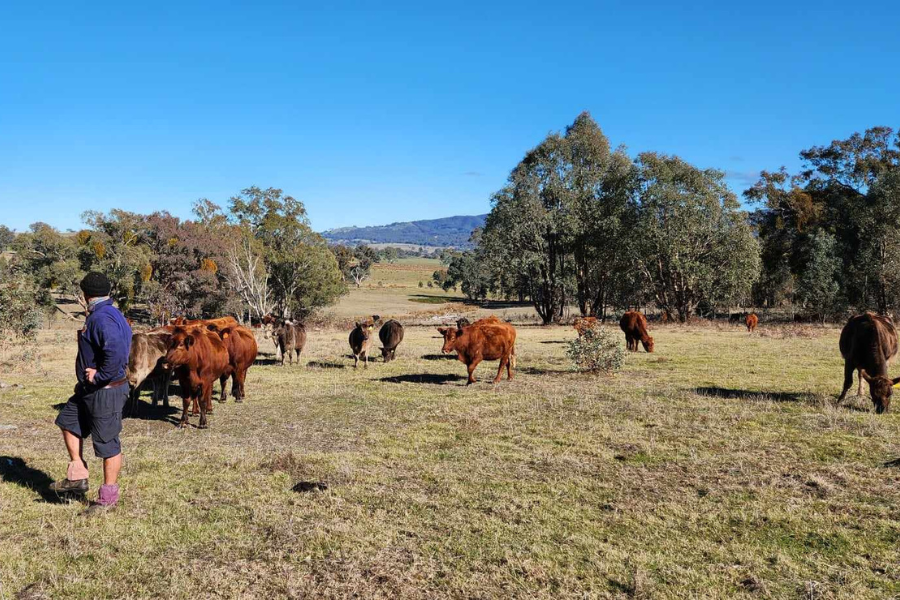
Adjust stocking rates so grazing pressure does not remove too much pasture, allowing plants time to recover.
Use rotational grazing to rest paddocks between grazing events and maintain continuous plant growth.
Grow a mixture of pasture species, including perennials and species suited to different seasons, to keep cover year-round.
Avoid overgrazing during dry periods by moving stock earlier and protecting vulnerable paddocks. Use livestock containment areas if needed.
Retain crop residues after harvest, so that stubble and plant material protect the soil surface.
Use minimum tillage or no-till practices to reduce soil disturbance and preserve existing cover.
Establish cover crops to keep living plants in the soil and improve soil protection.
Control weeds in a way that still maintains soil cover rather than leaving bare ground.
Improve soil fertility where needed so pastures grow more vigorously and maintain better coverage.
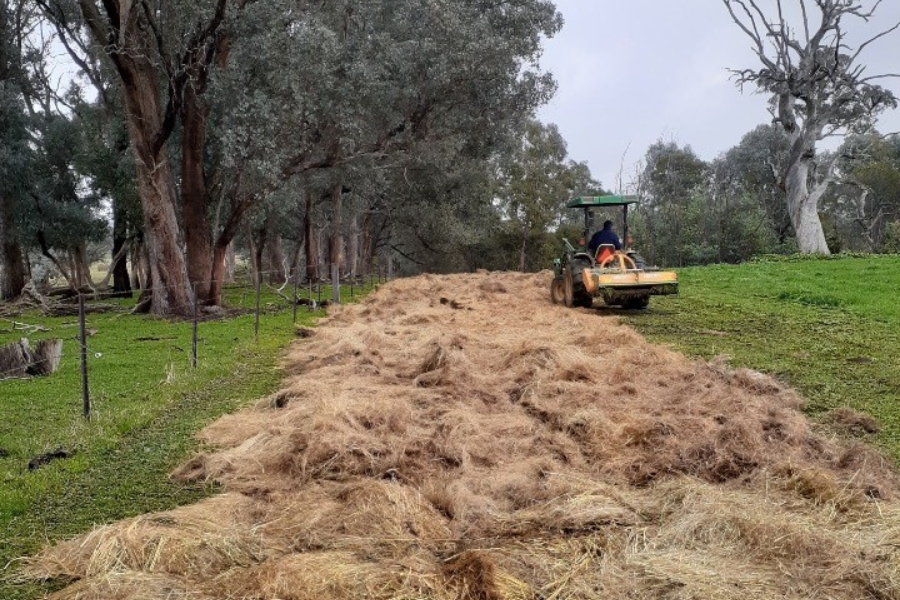
Manage erosion-prone areas carefully by encouraging permanent vegetation cover such as perennial grasses or native plants. Using old hay or mulch can protect bare ground while plants establish.
Links and Resources
Monitoring Groundcover and Soil Degradation - visual assessment and field assessment tools (Agriculture Victoria)
Native Pasture Management - information on managing and improving native pastures on farm (Agriculture Victoria)
Erosion Management - information and resources on erosion prevention and management (Agriculture Victoria)

This program/project of the Regional Drought Resilience Planning program received funding from the Australian Government’s Future Drought Fund and the Victorian Government.