
Livestock Feed Requirements
Understanding your livestock's feed requirements is essential, especially during drought conditions. When pasture is limited, knowing exactly what your animals need helps you make informed decisions about supplemental feeding. This ensures that your livestock remain healthy and productive, even when grass is scarce. Understanding livestock nutritional needs allows for better planning and resource management, enabling you to optimise feed usage and budget your resources effectively.
Factors affecting livestock feed requirements
Age and stage of growth
Body weight and breed
Reproductive status, such as pregnancy or lactation
Level of production, including meat, wool, or milk production
Environmental conditions, including heat, cold, and drought
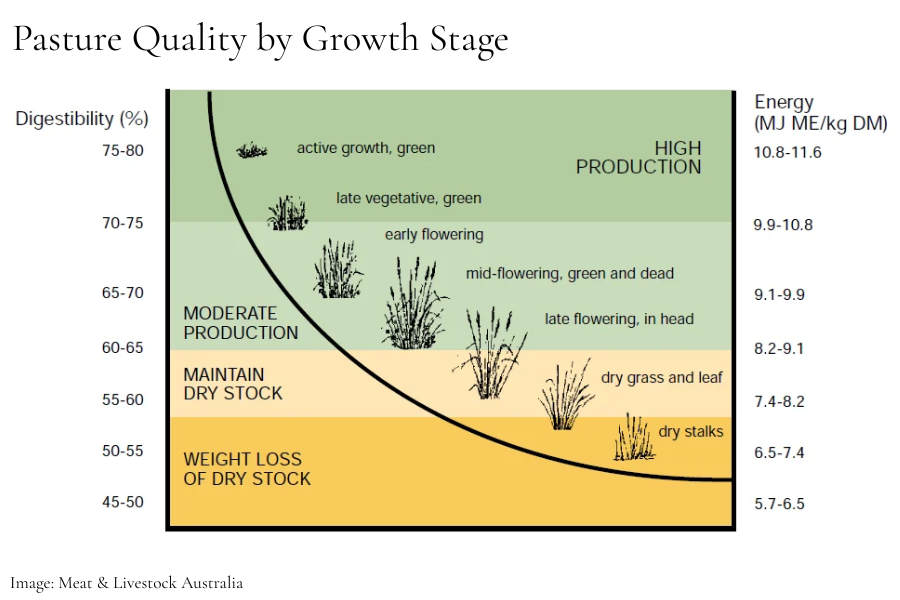
Pasture quality and feed availability
Animal health and stress levels
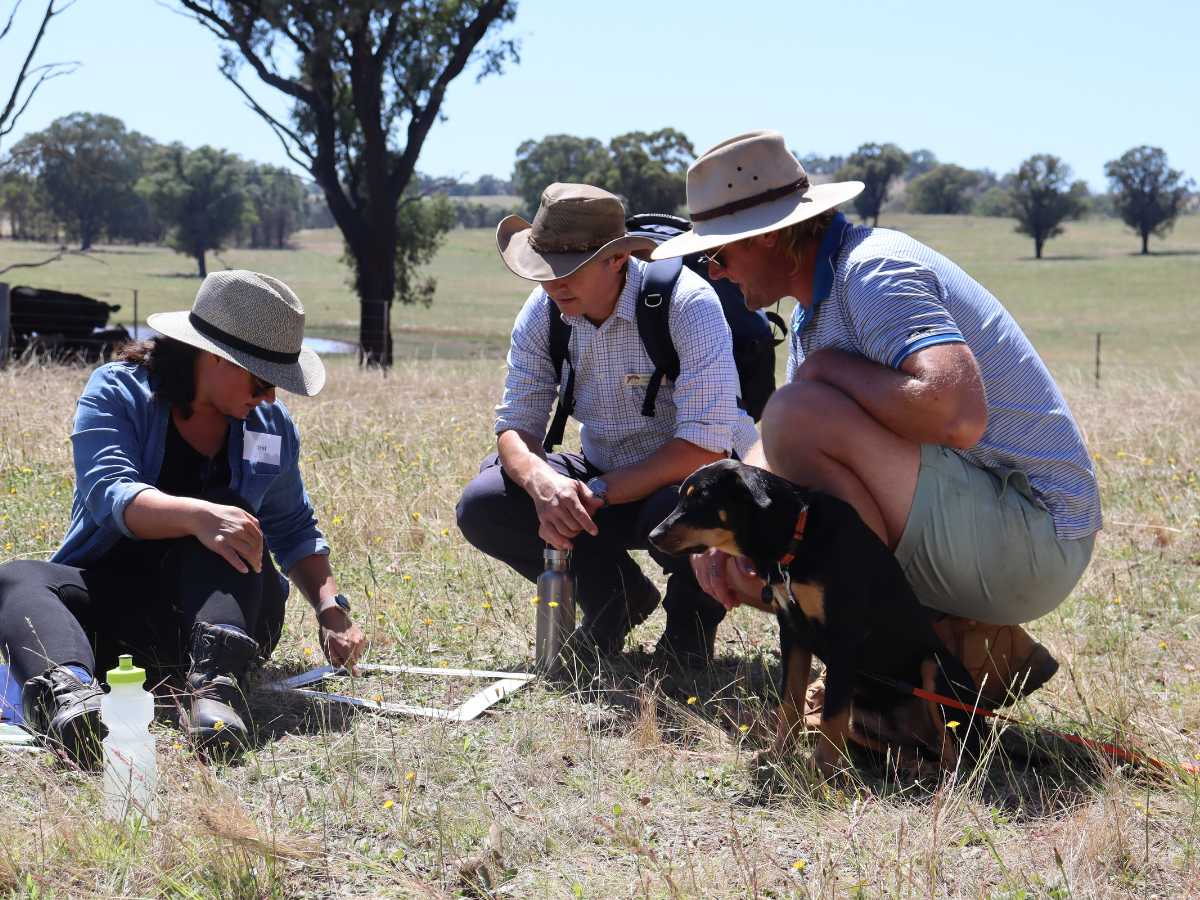
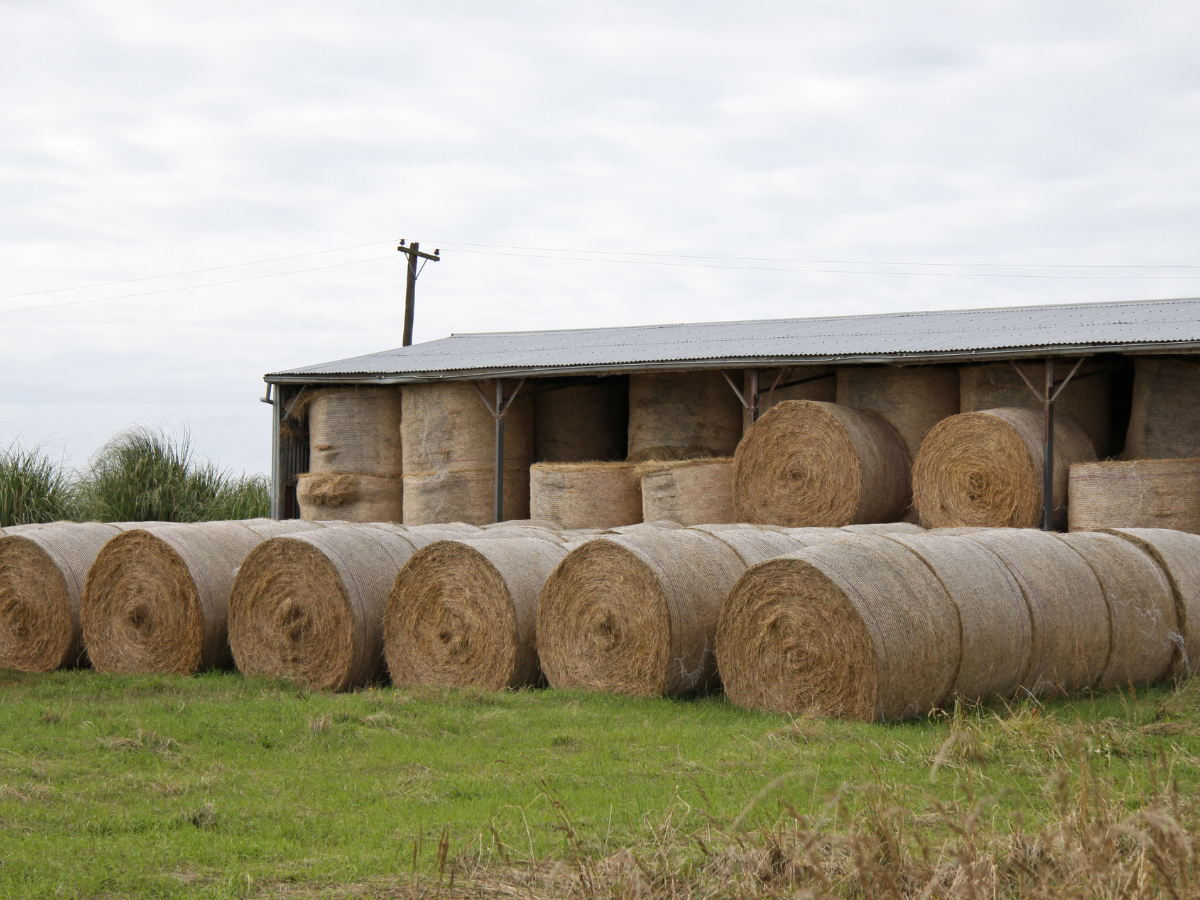
Feed requirements in relation to sustainable livestock management
Understanding feed requirements plays a vital role in promoting sustainable livestock management practices. This ensures;
Efficient resource use to optimise feed utilisation
Minimise waste and reduce feed costs
Improved animal health, productivity and resilience to stress and disease
Reduces environmental impact
Protecting and enhancing soil health via well managed rotational grazing systems and utilising containment areas when needed
Adaptability to climate change for long term resilience
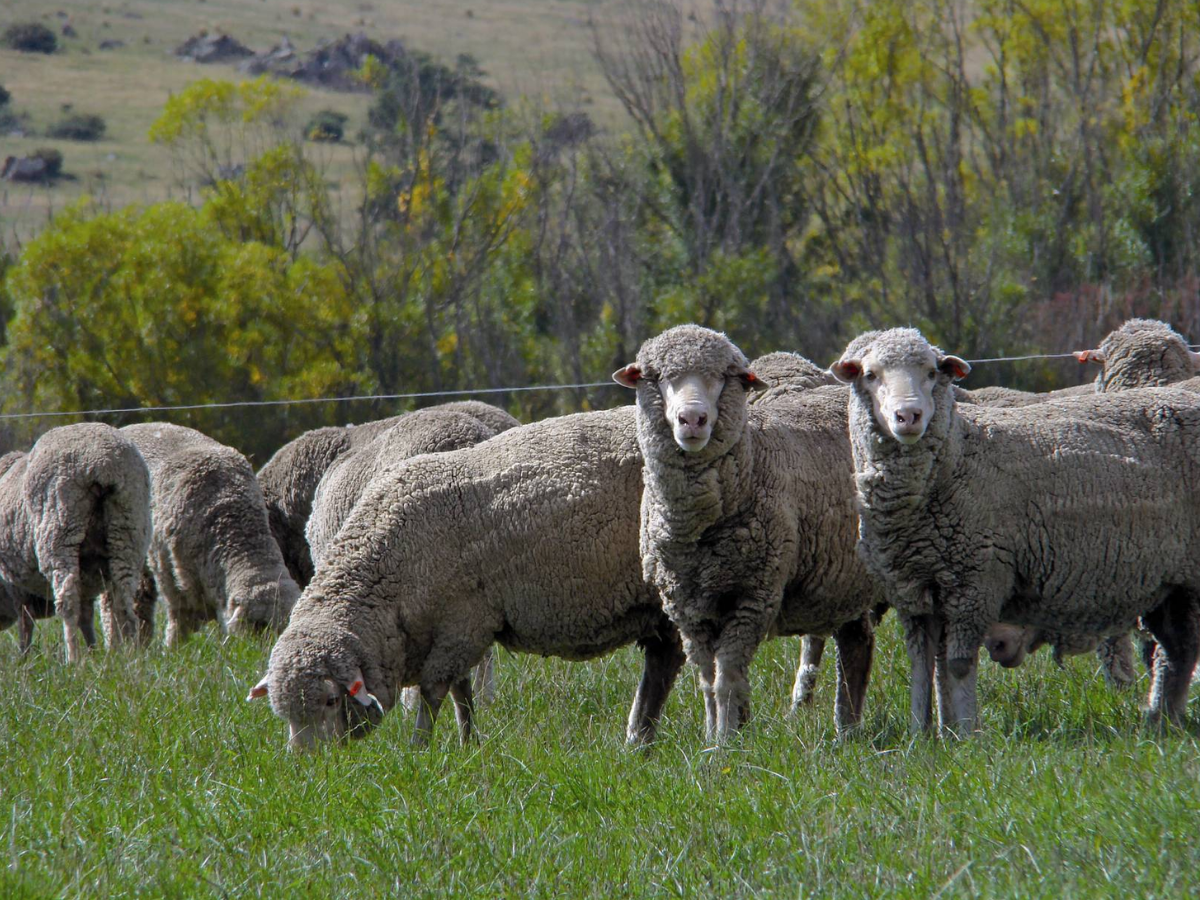
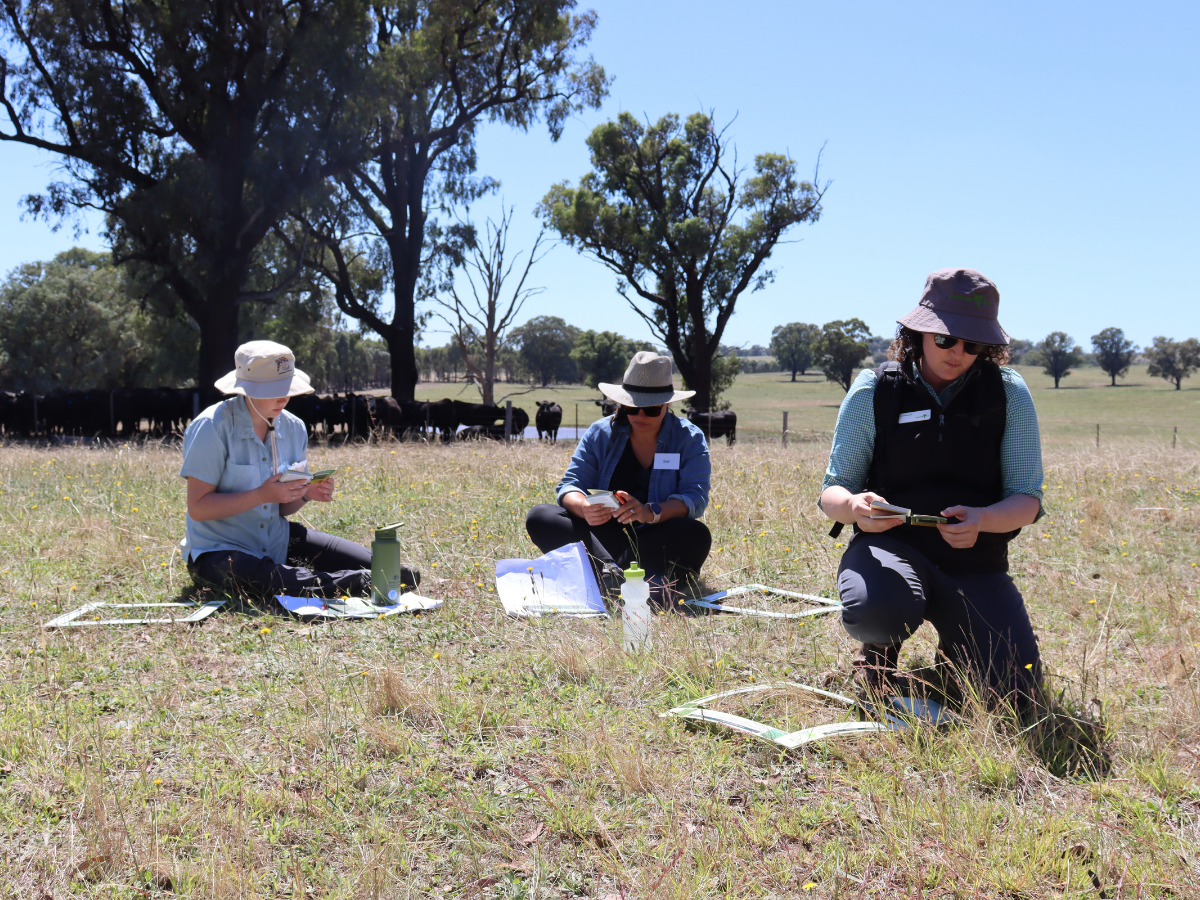
Resources, tools and calculators for understanding and implementing livestock feeding strategies during drought conditions.
Feeding Livestock - pasture, beef and sheep specific resources (Agriculture Victoria)
Pasture Resources - pasture tools, tables, feed calculators, feed values (Agriculture Victoria)
Beef resources - beef specific tools, feed calculators, beef drought feeding book
Sheep Resources - sheep specific tools, feed calculators, sheep drought feeding book
Other Resources
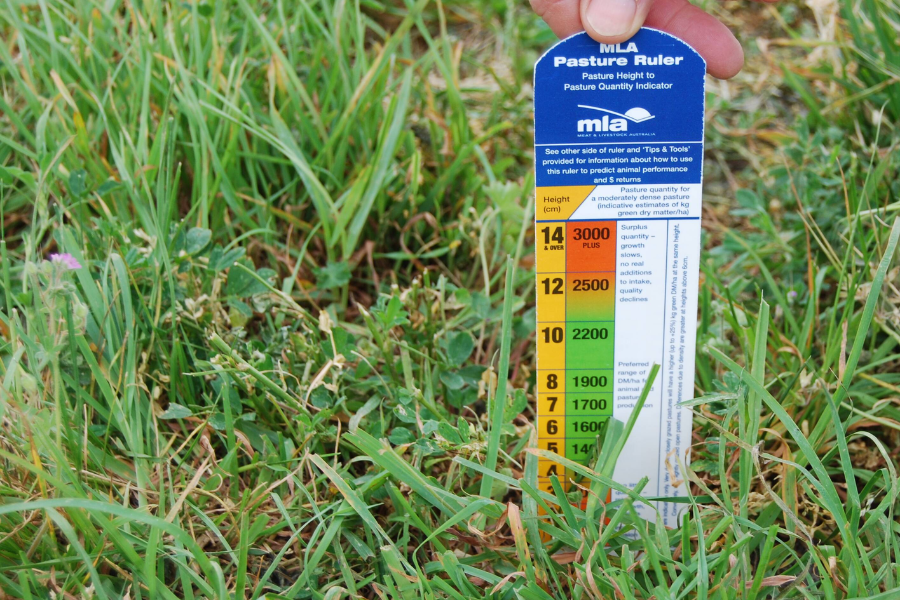
MLA Pasture Ruler - paddock took to measure height of pastures to calculate dry matter
Estimating Feed on Offer - demonstration of how to measure feed on offer in your paddock
This program/project of the Regional Drought Resilience Planning program received funding from the Australian Government’s Future Drought Fund and the Victorian Government.