
Livestock Water Requirements
Water is essential for livestock businesses, directly influencing animal welfare, farm productivity, and overall profitability. Effective farm water planning ensures that sufficient water is available when and where it is needed, while also managing risks associated with supply reliability and water quality. Understanding livestock drinking requirements is critical for both annual planning and peak demand periods, such as summer or drought conditions.
The goal of farm water planning is to have the water you need, when you need it, where you need it. Farm water planning should also consider the levels of risk associated with water supply and water quality.
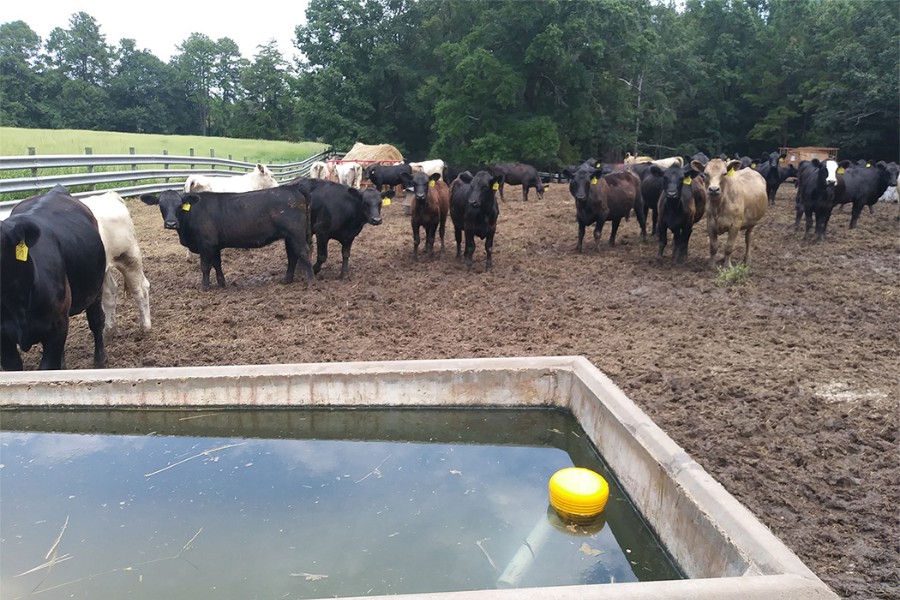
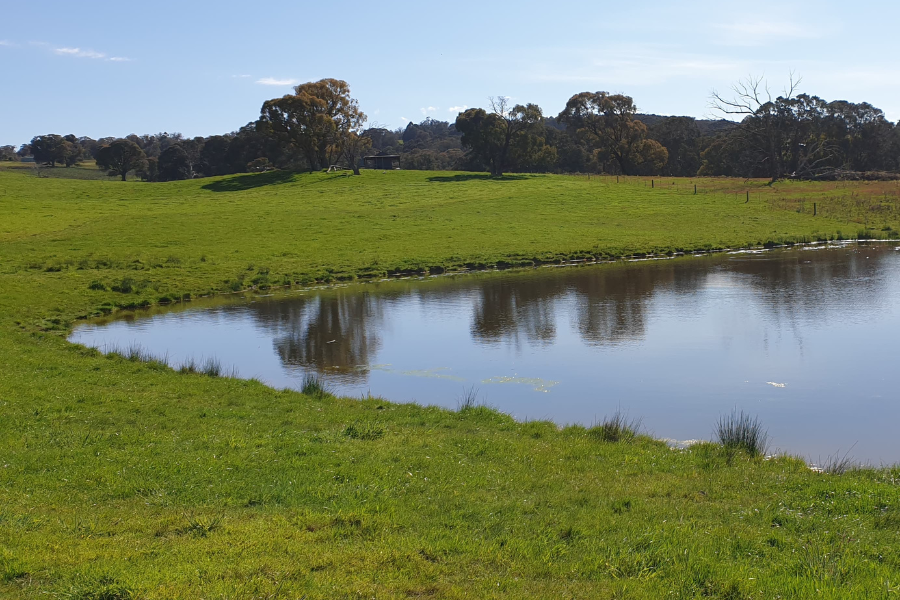
Essential elements of farm water planning include:
Understanding total farm water requirements
Evaluating the quality and quantity of water sources
Measuring and documenting the volume of water storages (dams and/or tanks)
Matching stocking rates to water availability
Designing farm water supply and reticulation systems
Investing in water monitoring/management systems/technology
Determining how long water supplies will last during prolonged dry conditions
Understanding changing rainfall, intensity, timing, and runoff
Having clear trigger points for bringing additional water on farm during dry times
A farm water balance is a valuable tool that compares water use, supply, and storage. Considering rainfall variability, runoff patterns, increasing demand, environmental needs, and potential supply interruptions supports better decision-making and long-term resilience.
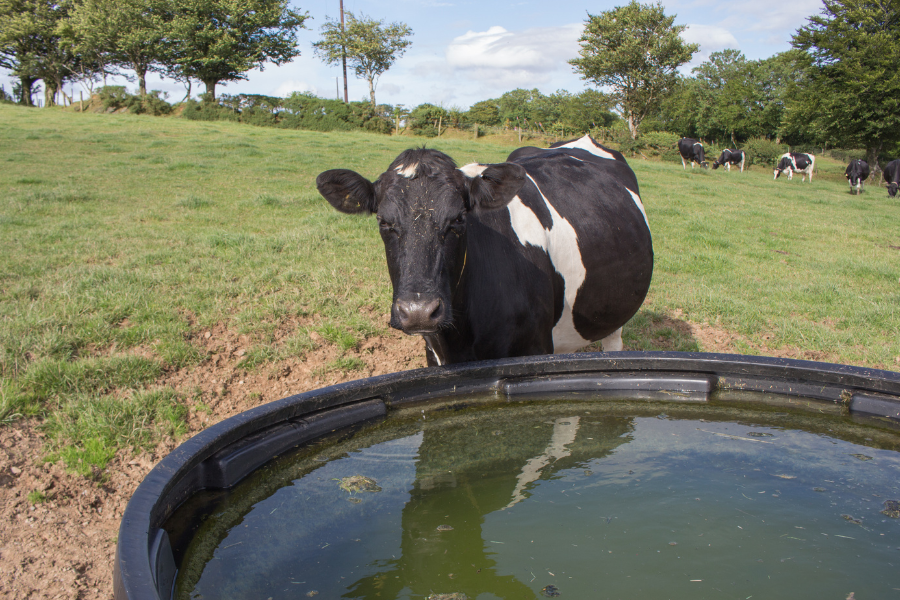
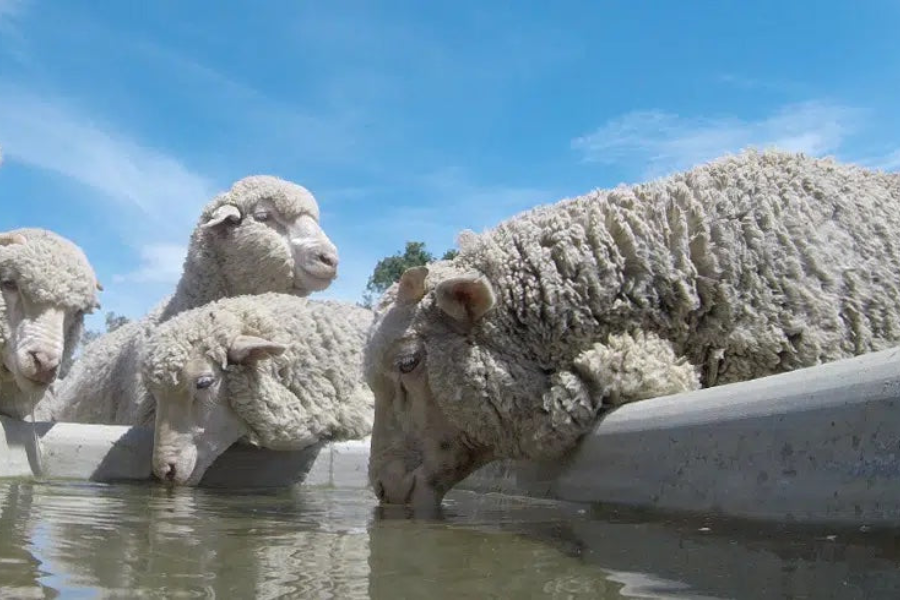
How much water do your animals need?
Landholders have a legal and moral responsibility to provide stock with an adequate supply of good quality water. Drought conditions can put pressure on water supply on farm, and landholders need to have strategies in place to mitigate limitations in dry times.
The amount of water used by stock varies depending on the:
Breed
Age
Weight
Reproductive status (female stock will have an increased demand during pregnancy and lactation)
Stock water requirements will also be affected by:
Temperature/weather conditions
Feed type
Distances stock are walking
Availability of shade
Quality and temperature of the water
Useful links for landholders to assess their farm’s water balance and make informed decisions
Managing farm water supplies - tools and information for calculating and managing water supply on farm (Agriculture Victoria)
Farm water calculator - calculate water balance on farm (Agriculture Victoria)
Summer water calculator - calculate water balance on farm and how long it will last in times of lower rainfall (Agriculture Victoria)
Water Management Solutions (technology) - tools and systems for monitoring and managing water on farm
This program/project of the Regional Drought Resilience Planning program received funding from the Australian Government’s Future Drought Fund and the Victorian Government.