
Livestock Containment
Livestock containment refers to the practice of confining animals within a specific area to manage their grazing behaviour and ensure their well-being during challenging conditions, such as droughts. This involves using physical barriers, such as fencing and designated holding areas, to limit the movement of livestock. It can also include supplementary feeding and watering systems within these confined spaces to meet the animals' needs effectively.
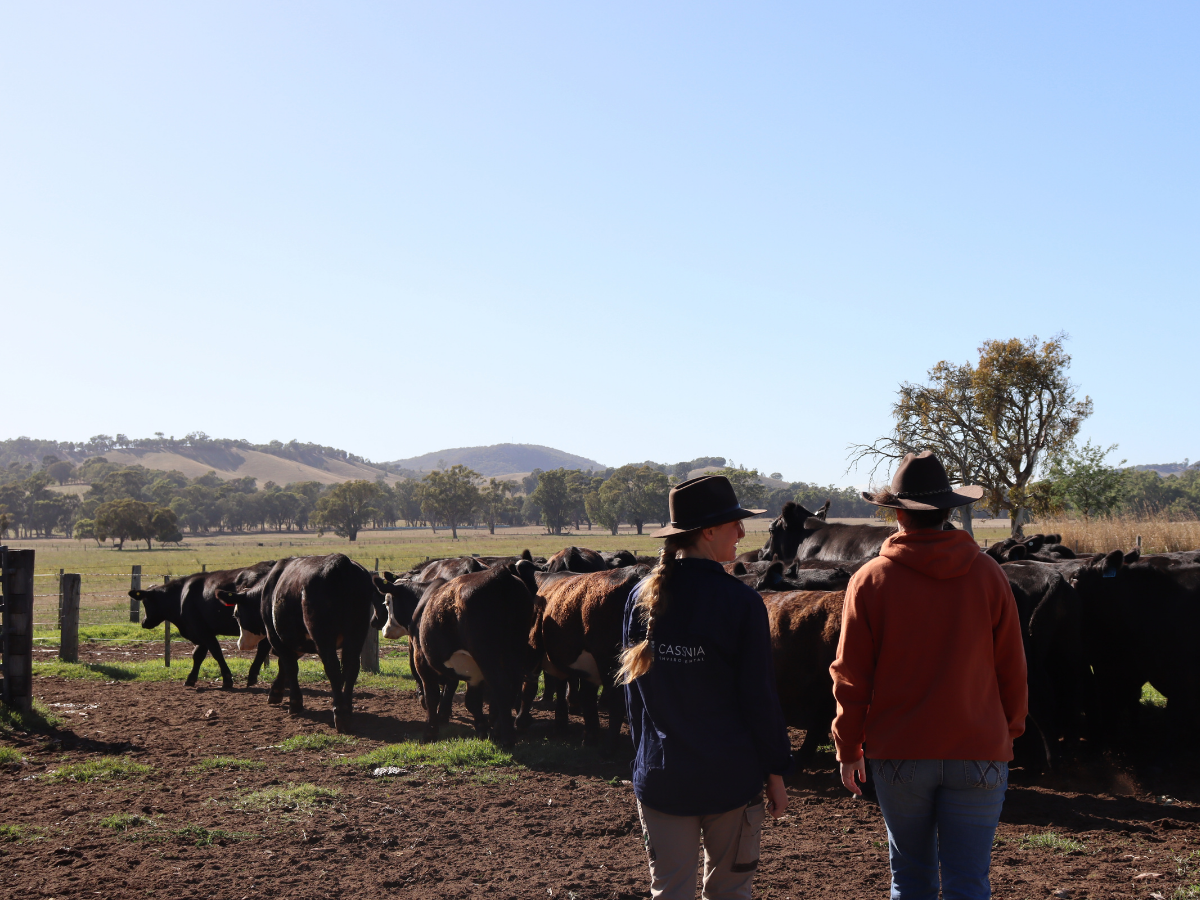
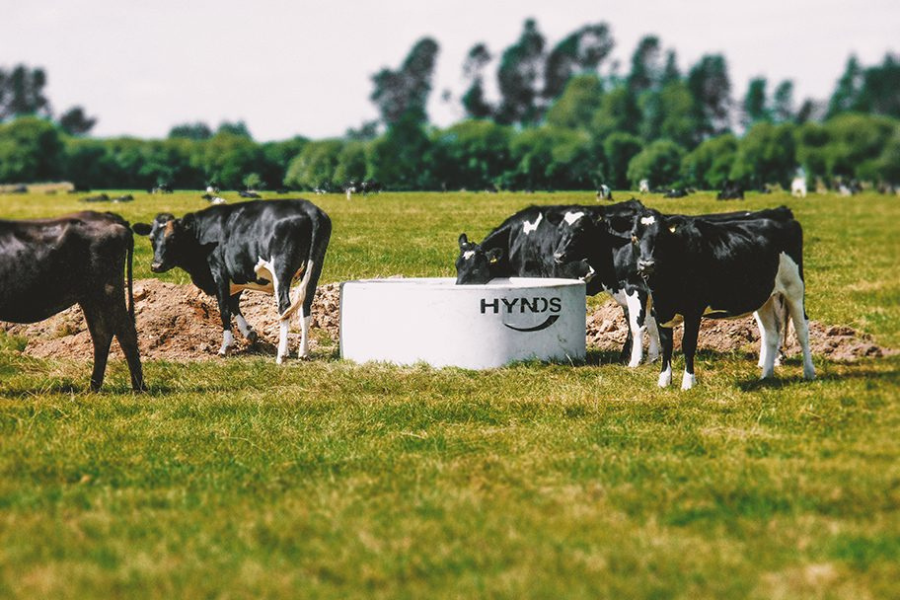
Why is livestock containment important?
Resource management based on forage availability during dry conditions
Reducing grazing pressure to maintain groundcover, support soil health and promote regeneration of pasture
Reduce the risk of animal health issues, associated stress and losses of livestock
Ensure livestock have have access to clean water, quality feed and shade to prevent
Livestock containment can improve feed utilisation, reduce feed waste and help to minimise feed costs
Protect sensitive ecosystems that may become particularly vulnerable to overgrazing and degradation
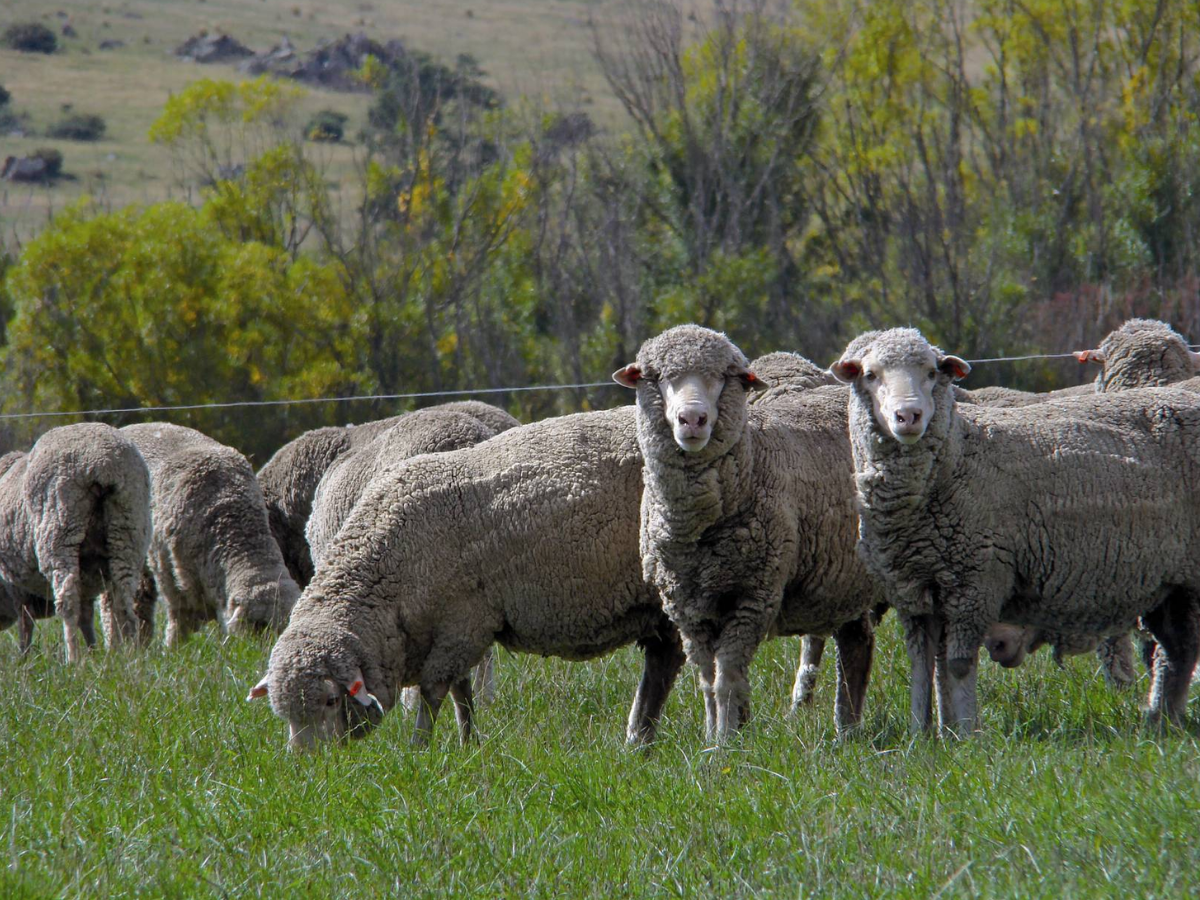
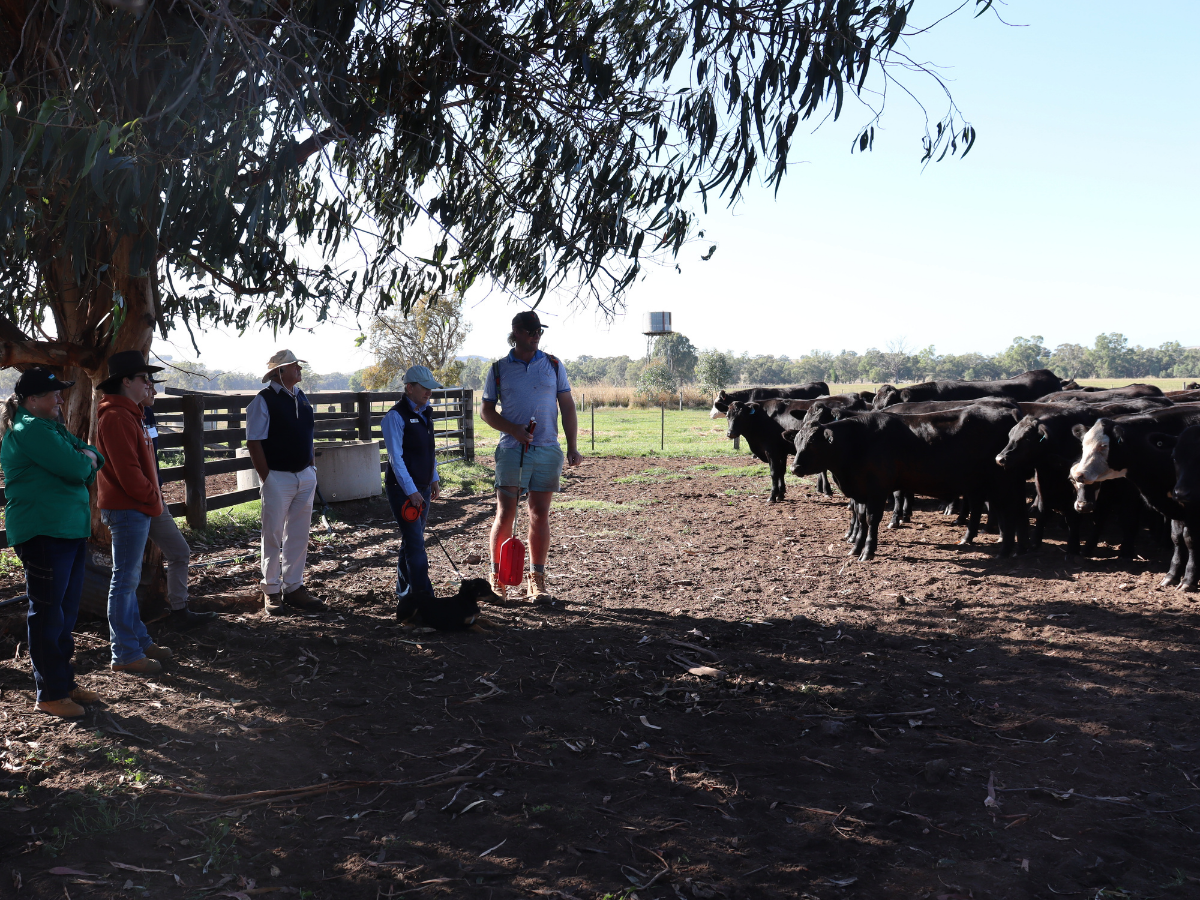
How to prepare for effective livestock containment
1. Assess Land and Resources:
Evaluate the available land and existing pasture health. Identify suitable areas for confinement that can support your livestock's needs, such as water access and shade. Consider the number of animals requiring containment and how they will need to be separated according to age, sex, feed requirements etc.
2. Design Appropriate Fencing:
Install strong and durable fencing to create designated containment areas. Consider the type of livestock and their behaviour when choosing fencing materials to ensure their safety and security. Consider feed and water placement.
3. Create Feeding and Watering Stations:
Set up feeding and watering stations within the containment area. Consider feed and water placement for ease of access to livestock and efficient monitoring/maintenance. Use high-quality feed and ensure fresh water is always available to support the nutritional needs of your livestock. Consider location and size of water troughs to ensure that animals have adequate access without bullying from other animals
4. Monitor Pasture Conditions and Source Fodder:
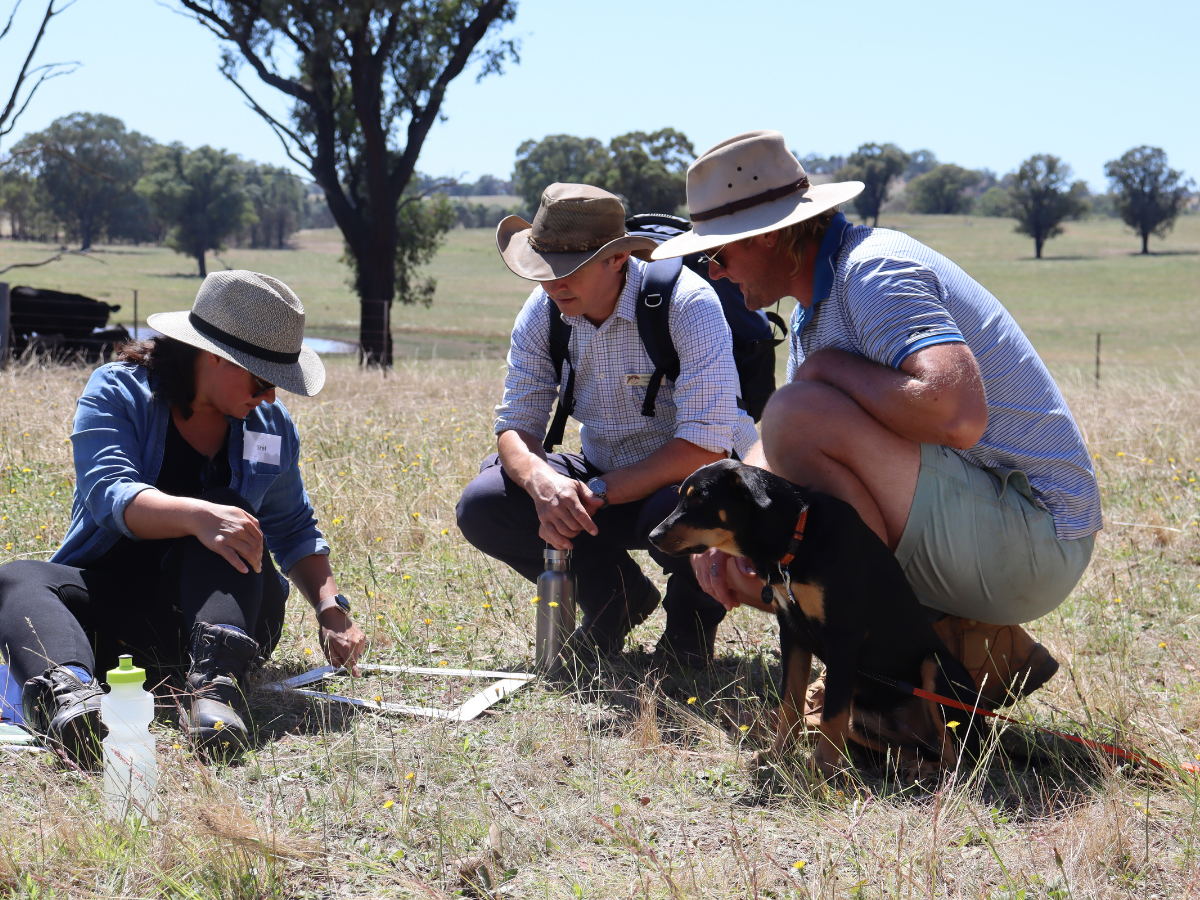
Regularly assess pasture health and adjust grazing plans accordingly. Ensure adequate recovery of pastures using specialised pasture assessment tools such as the MLA pasture ruler or Pasture Paramedic. Having adequate storage for animal fodder is important to ensure feed is accessible when needed, and to help mitigate potential supply issues if drought conditions continue for long periods of time.
5. Utilise Technology:
Consider using technology/software, such as livestock management and monitoring systems. Examples include AgriWebb or Mobble, which enable landholders to manage livestock movements and pasture conditions more effectively.
When to contain livestock
During drought conditions - start implementing livestock containment as soon as drought conditions are evident or predictions indicate potential drought conditions arising. Early intervention can help mitigate the impacts on both livestock and pasture health.
Seasonal transitions - establish containment practices during seasonal transitions, especially in the lead-up to expected dry periods. Planning ahead can help ensure that resources are available when needed.
Post-drought recovery - after a drought, continue to use containment strategies to allow pastures to recover. This will help restore ecosystem balance and prepare for future grazing seasons. Ensure adequate recovery of pastures using specialised pasture assessment tools such as the MLA pasture ruler or Pasture Paramedic.
More Resources:
AWI Key considerations for setting up containment feeding areas - practical steps and tips for establishing containment areas
Agriculture Victoria - Stock Containment Areas - further helpful information for establishing containment areas
Pasture Paramedic - decision-making tool that allows rapid assessment of pasture condition
MLA Pasture Ruler - a quick and easy way to estimate pasture mass and quality
This program/project of the Regional Drought Resilience Planning program received funding from the Australian Government’s Future Drought Fund and the Victorian Government.