
Lerp, birds and the missing understorey
If you've driven the roads around Mansfield lately and wondered why so many roadside river red gums look thin, brown and tired, you're not alone. The main culprit is a tiny native sap-sucking insect, the redgum lerp psyllid. But the psyllid is usually a symptom of a bigger story: stressed trees standing alone in landscapes that have lost the shrubs, grasses and small birds that once kept the insect in check.
This post explains what lerp is, why outbreaks happen, why isolated trees seem to suffer most, and what you can do to help.
What is redgum lerp?
The redgum lerp psyllid (Glycaspis brimblecombei) is a small, aphid-like insect that is native to Australia. It feeds on eucalypts and strongly prefers river red gum (Eucalyptus camaldulensis).
The young insects (nymphs) settle on a leaf and suck sap. As they feed they give off sugary honeydew, which hardens into a white, cone-shaped cap called a lerp. The nymph lives and grows underneath this shelter until it becomes a winged adult and flies off to mate and lay eggs. In Australia there are usually two to four generations a year.
Other lerp-building psyllids also attack red gums, including the red gum basket lerp (Cardiaspina retator) and white lace lerp (Cardiaspina albitextura). The signs and the advice below are much the same for all of them.
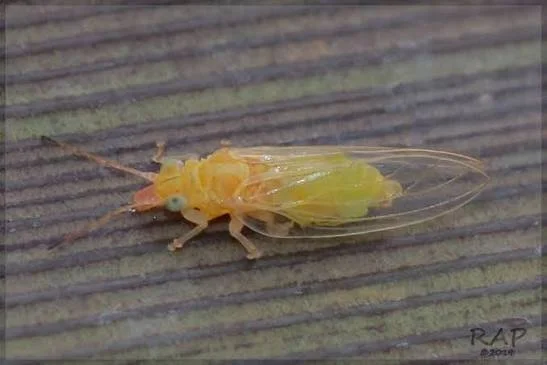
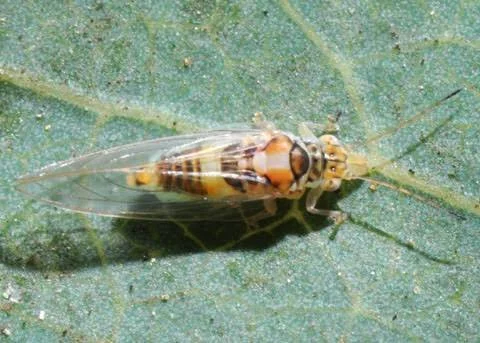
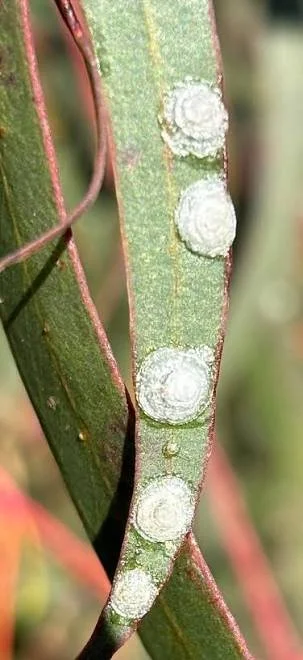
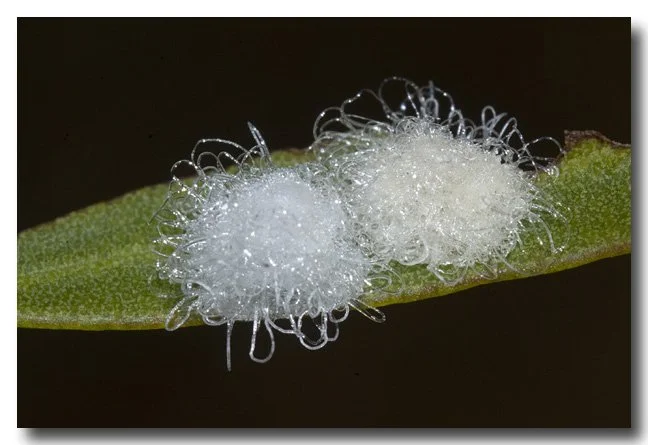
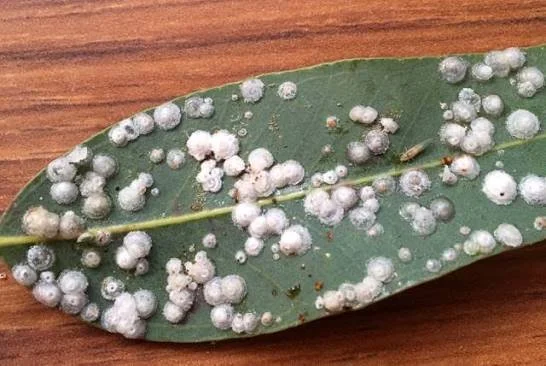
What you'll see on an affected tree:
Small white or cream caps on the leaves, often thickly clustered
Leaves turning red-brown and dying, starting from blotches around the lerps
Sticky honeydew, black sooty mould and lots of ants
Leaf drop, leaving a thin, see-through crown
Later, bursts of fresh new shoots along branches and trunks (epicormic growth) as the tree fights back
A few lerps on a healthy tree are normal and harmless. The trouble starts when numbers explode and the tree loses most of its leaves, sometimes several years in a row.
Why are outbreaks happening now?
Lerp has always been part of red gum country, and outbreaks come and go in cycles. What turns a normal population into a damaging one is usually a combination of a stressed tree and too few natural enemies.
1. Stressed trees make better food. River red gums are floodplain trees. They depend on regular floods and high river flows to recharge the soil around their roots, and research on Victorian red gums after the Millennium Drought linked tree condition closely to those high flows. When trees go short of water, the chemistry of their leaves changes. South Australian advice puts it simply: lerp attacks target stressed trees, which carry higher levels of nutrients in their sap. More nitrogen in the sap means more young psyllids survive. This idea is often called the plant stress hypothesis.
2. The weather can line up in the insect's favour. Psyllid researchers have long described a pattern where waterlogging followed by drought stresses trees and triggers outbreaks. Hot, humid summers combined with below-average rain in the usual wet months have also been linked to big breeding years. Very wet spells can do damage too, because waterlogged soil starves fine roots of oxygen.
3. Long-term drying and less water in the landscape. Lower rainfall over recent decades, river regulation, groundwater and surface-water extraction, salinity and lowered water tables all leave red gums under chronic stress, even in years that look 'normal' above ground.
4. Fewer natural enemies. A healthy, diverse woodland is full of birds and insects that eat psyllids. Where that community has thinned out, there is nothing to stop a population boom once it starts. That's the subject of the next section.
No single factor explains every outbreak. That's worth saying in a local conversation, because it means there is no single fix either.
The missing understorey and why lonely trees suffer most
Many of our river red gums now stand alone in paddocks, along roadsides or on narrow creek lines, with pasture grass underneath instead of the shrubs, wattles, tussocks and fallen timber that once surrounded them. The research strongly suggests this loss of ground and midstorey plants is a big part of why lerp outbreaks are so severe.
The small birds that eat lerp
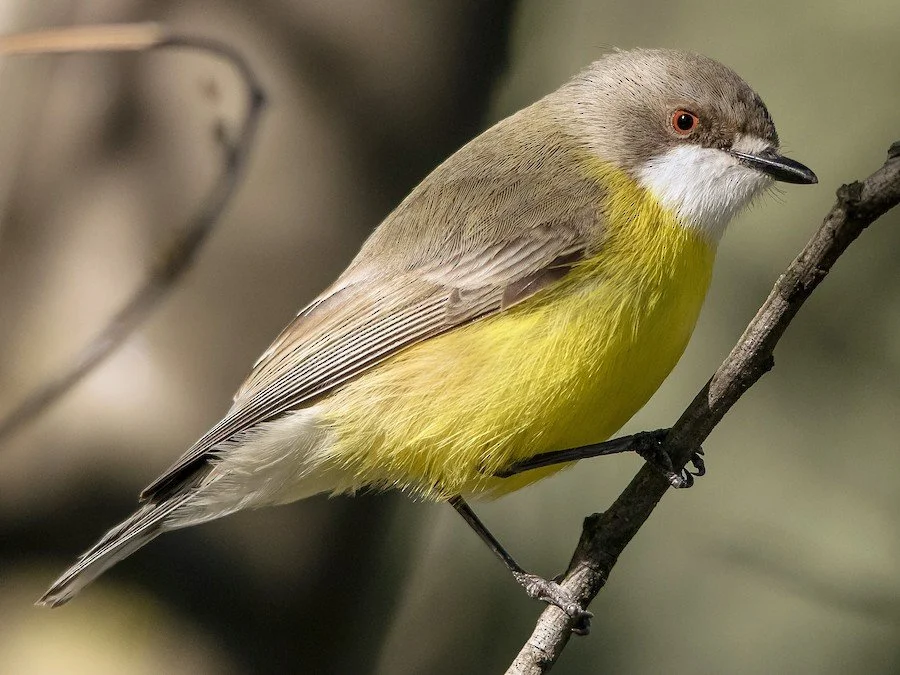
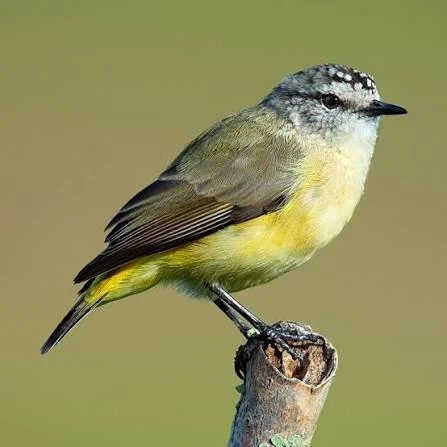
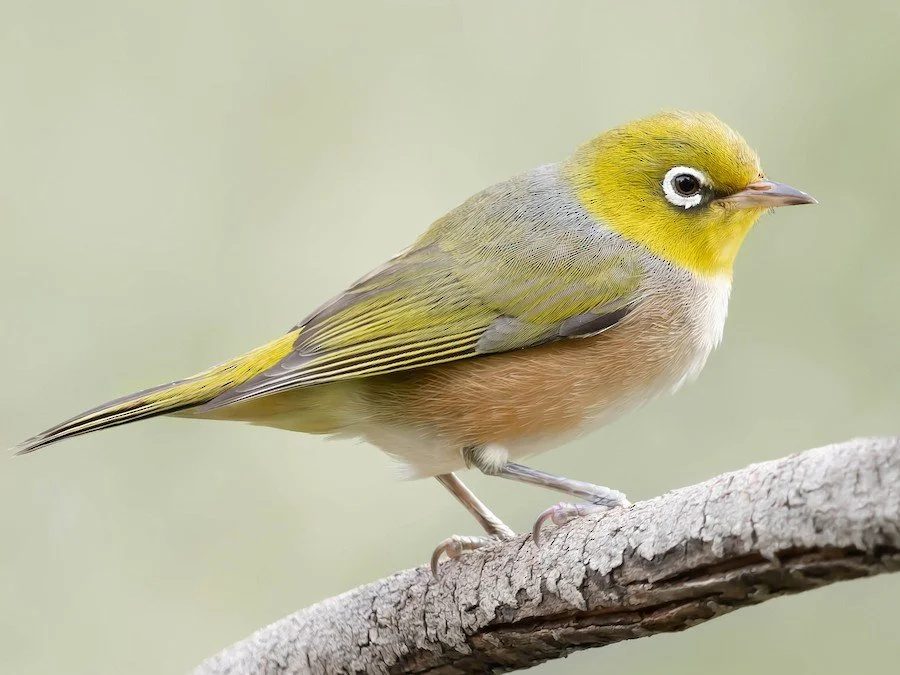
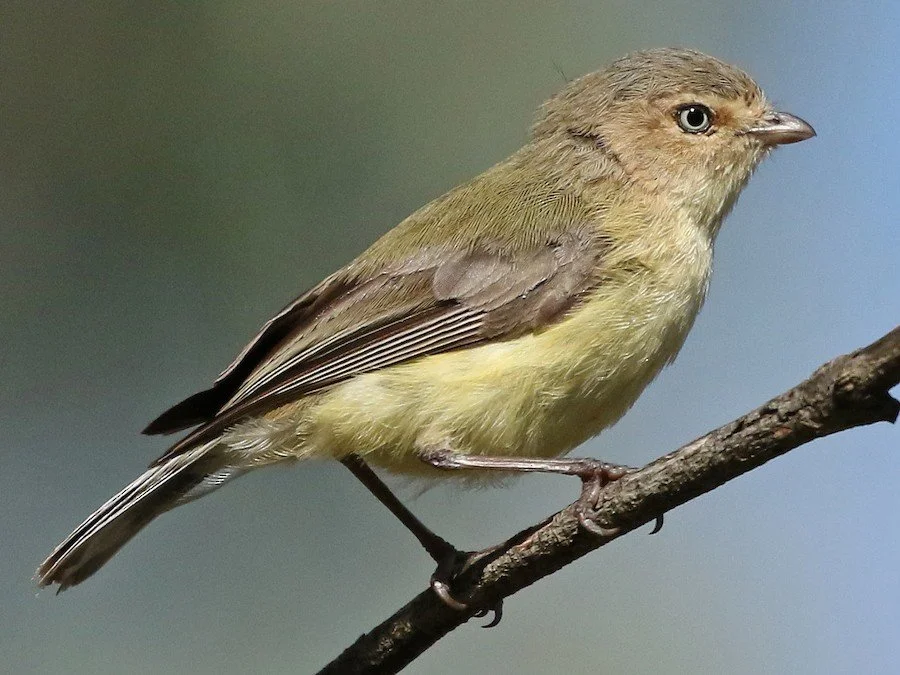
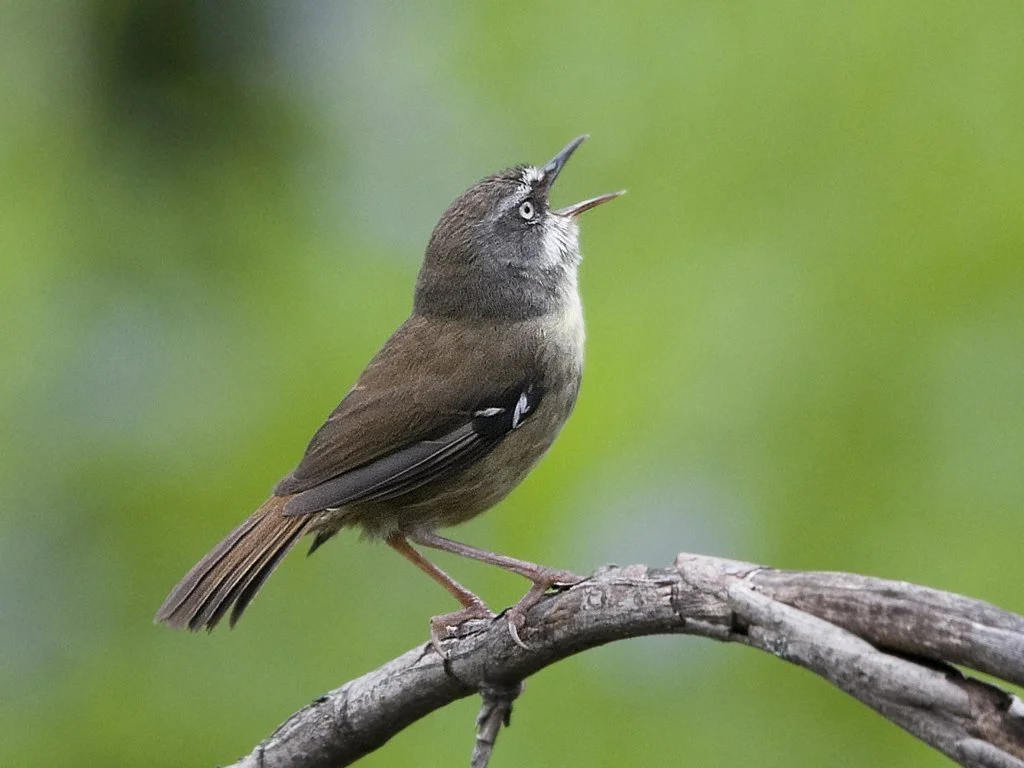
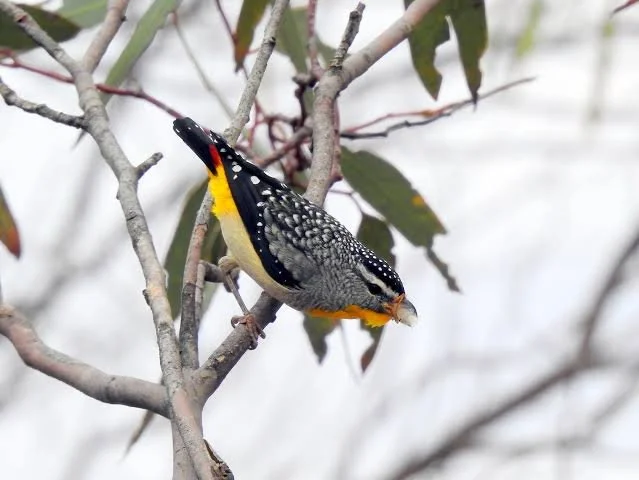
Australia has a set of tiny birds that specialise in eating psyllids. Pardalotes (spotted and striated) eat both the lerp and the insect underneath, and striated pardalotes are often most common in red gums along creeks and rivers. Thornbills, weebills, gerygones, silvereyes and some small honeyeaters also glean insects from eucalypt leaves.
These birds need more than a canopy. They shelter, nest and escape predators in the shrub layer, and spotted pardalotes nest in burrows in the ground. A classic study in New South Wales found that small insectivorous birds disappeared fastest as woodland lost its understorey, mainly because their nests became exposed to predators and weather.
Enter the noisy miner
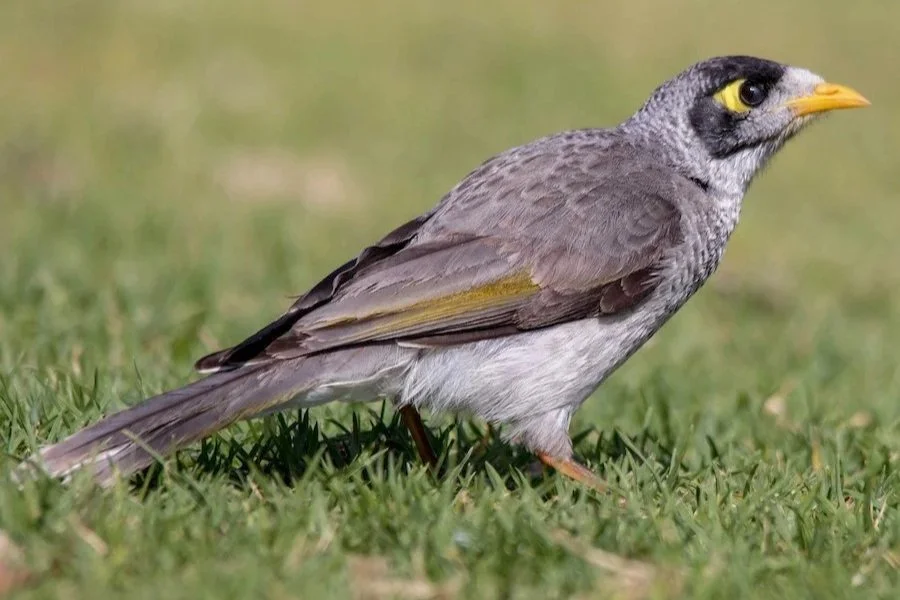
The noisy miner is a large, aggressive native honeyeater that loves open, grassy country with scattered trees and little shrub cover: exactly what clearing and grazing have created. Miner colonies chase small birds out of their territory and now dominate many small woodland patches across eastern Australia.
Miners also eat lerp, but they tend to take the sugary cap and leave the insect underneath alive to make more. So a tree 'protected' by miners keeps its psyllids and loses the small birds that would actually reduce them.
The evidence for the link is solid:
Woodland patches dominated by noisy miners show more leaf damage, defoliation and crown dieback, according to the NSW Scientific Committee.
When miners were experimentally removed from small Grey Box remnants in Victoria, small insectivorous birds returned at three of four sites within a year (Grey, Clarke and Loyn, 1998). Follow-up work reported less insect damage to leaves.
Aggressive exclusion of birds by abundant noisy miners is listed as a Key Threatening Process in NSW (2013) and nationally under the EPBC Act (2014).
Why roadside trees look worst
The damage is most obvious along our roads, and that fits the pattern. Roadside red gums often grow in a narrow strip between bitumen and cleared paddock, so they are all edge and no interior. Noisy miners favour exactly this kind of habitat: edges, corridors and patches with little shrub layer.
Roadside trees also carry extra stress of their own:
Understorey slashed, mown or sprayed for fire breaks and sight lines
Soil compacted by vehicles, graders and parked machinery
Drainage changed by road works and table drains, leaving some trees short of water and others waterlogged
Root damage from trenching, services and road widening
More heat, dust and wind exposure than trees in a paddock clump
It's also worth remembering that roadside reserves are often the best remaining native vegetation in farming districts. Some still hold native grasses, wildflowers and shrubs that have vanished from the paddocks beside them, which makes them a great place to start rebuilding habitat.
How the cycle works
Ground and midstorey plants are cleared, grazed or outcompeted by pasture.
Small insectivorous birds lose shelter and nest sites, and noisy miners move in.
Miners drive out the remaining small birds.
With few predators left, psyllids on already water-stressed trees boom.
Trees defoliate, the woodland becomes even more open, and conditions suit miners even better.
One important caveat
The answer isn't simply 'more shrubs of any kind'. In moist coastal forests of northern NSW, a related problem called Bell Miner Associated Dieback occurs where a dense, weedy understorey (often lantana) favours bell miners, which also defend psyllids. What small birds need is a diverse, native understorey with patches of dense, prickly shrubs, not a monoculture of weeds. In red gum country, the issue is almost always too little understorey rather than too much.
Biological controls, nature's pest managers
Because redgum lerp is a native insect, its natural enemies are already here. In Australia, parasitoids and predators usually keep psyllid numbers in check. Our job is not to import a new control but to give the existing ones a place to live.
The wasp that saved California's red gums
The best proof that biological control works comes from overseas. Redgum lerp reached California in 1998 without its natural enemies and killed thousands of mature red gums within two to three years. Scientists brought the tiny parasitoid wasp Psyllaephagus bliteus from Australia and released it from 2000 to 2002. It brought the psyllid under control in California's mild coastal regions, though control was patchier in the hot, dry interior.
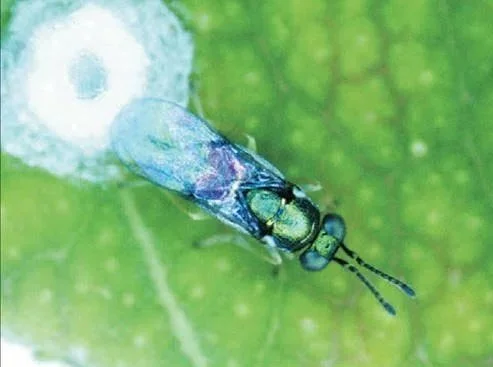
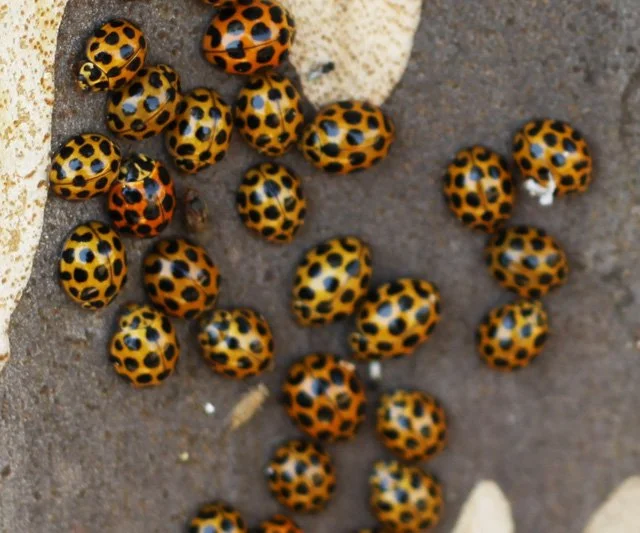
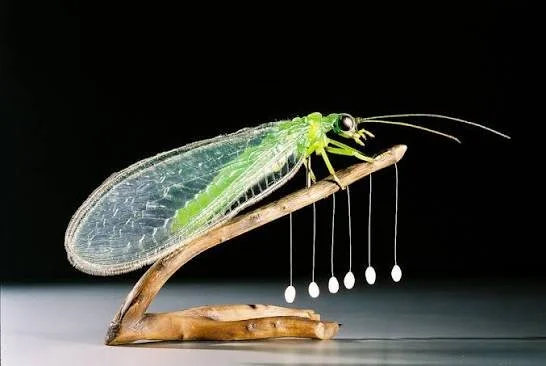
The lesson for us: this wasp already lives here, alongside many other natural enemies. In a hot, dry inland summer, they need shelter and nectar sources nearby to stay active. A bare paddock under a lone tree gives them neither.
Why spraying usually backfires
The lerp cap shields nymphs from contact sprays, so foliar spraying is largely ineffective. Systemic insecticides such as imidacloprid (applied by trunk injection or soil drench) do kill psyllids, and arborists sometimes use them on single high-value trees in gardens or parks. But they also kill the wasps, ladybirds and other insects we're relying on, and imidacloprid is a risk to bees and aquatic life. They are not suitable for large trees near waterways or for roadside and paddock trees in general. If you're considering treatment for an important tree, talk to a qualified arborist first.
What you can do to help
The most useful thing any of us can do is rebuild the community of plants and animals around our red gums, so the trees are less stressed and their natural defenders come back.
Around roadside trees
Leave the understorey alone. Avoid slashing, spraying or grading under red gums where safety allows, and keep native groundcover in roadside reserves.
Protect the root zone. Don't park vehicles, store machinery, dump fill or burn piles under the canopy.
Watch for works. If you see trenching or road widening planned near old red gums, let Up2Us Landcare Alliance know so the root zone can be protected.
Roadsides hold some of the last remnants of the shire's original woodlands. If you're worried about a particular stretch of roadside, or want to help look after one, contact Up2Us Landcare Alliance, the Landcare network for Mansfield Shire.
On your own land
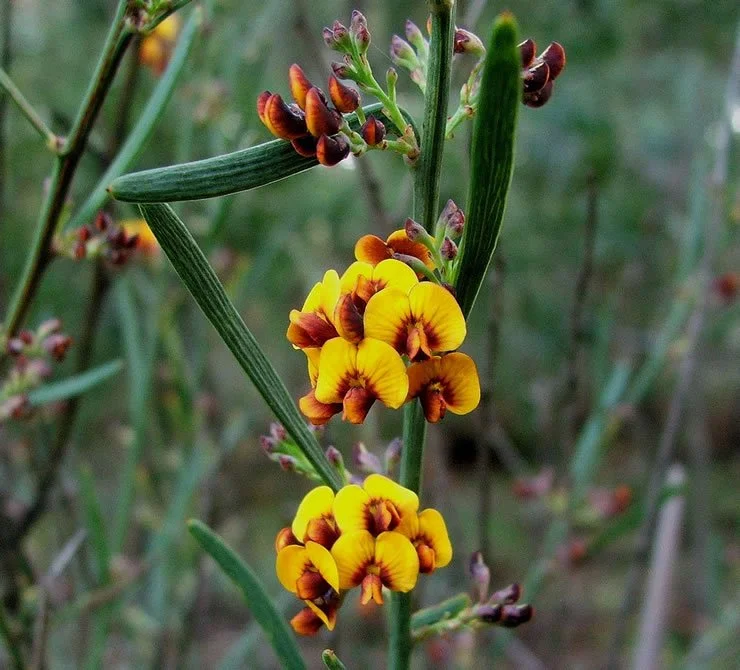
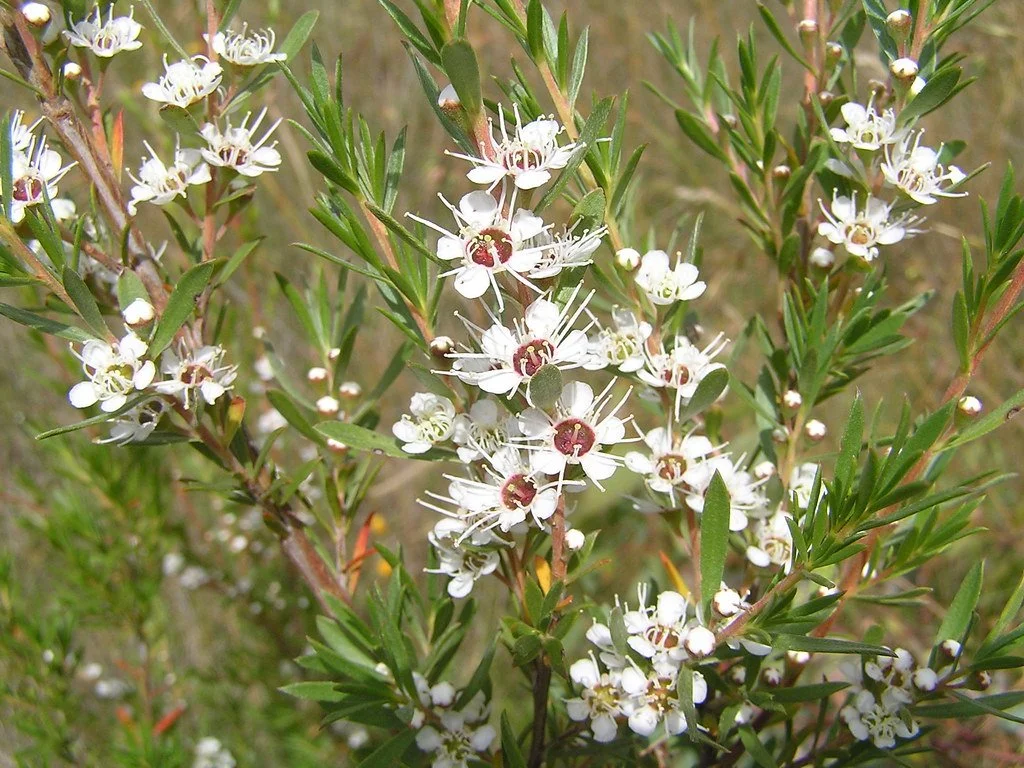
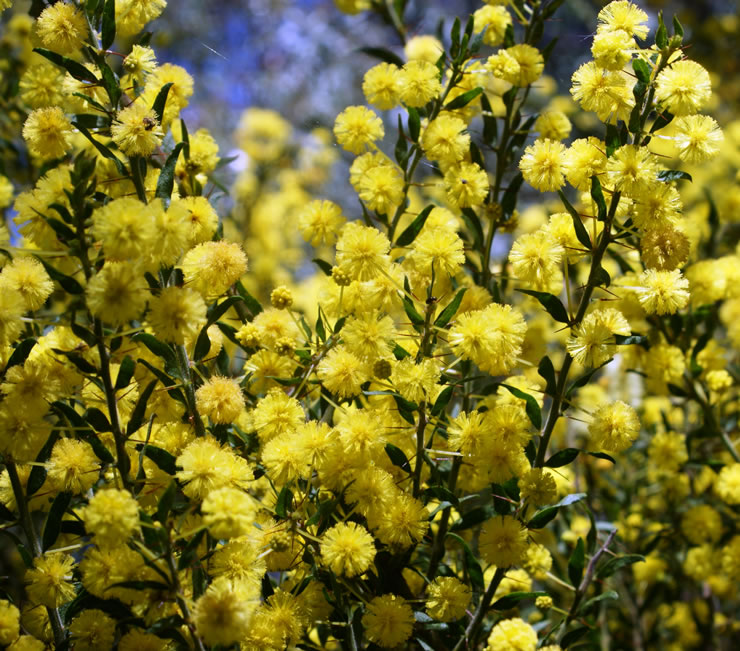
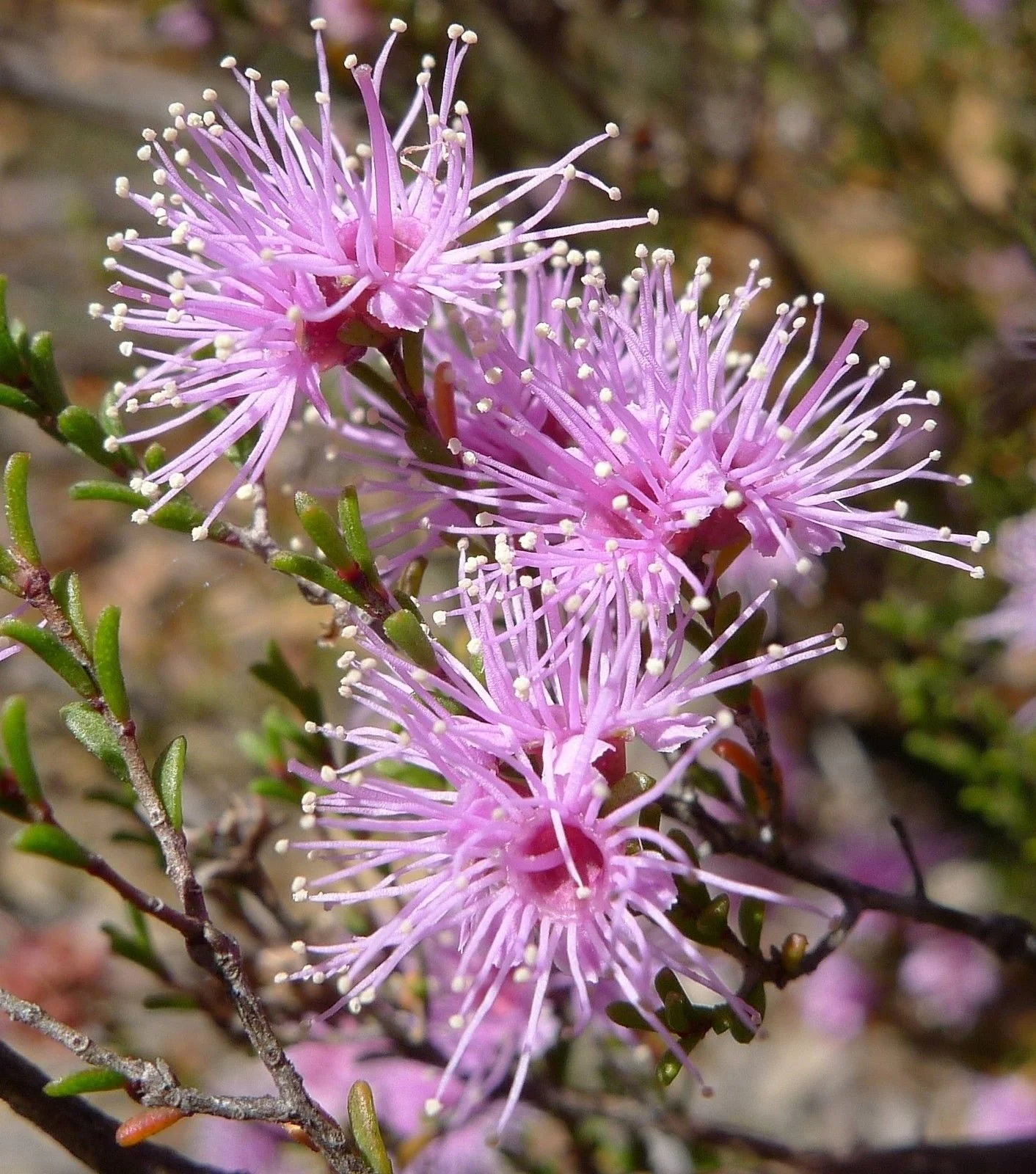
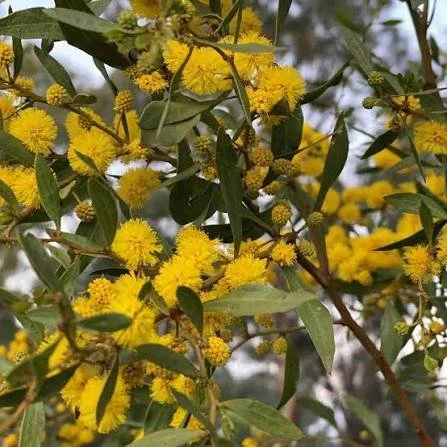
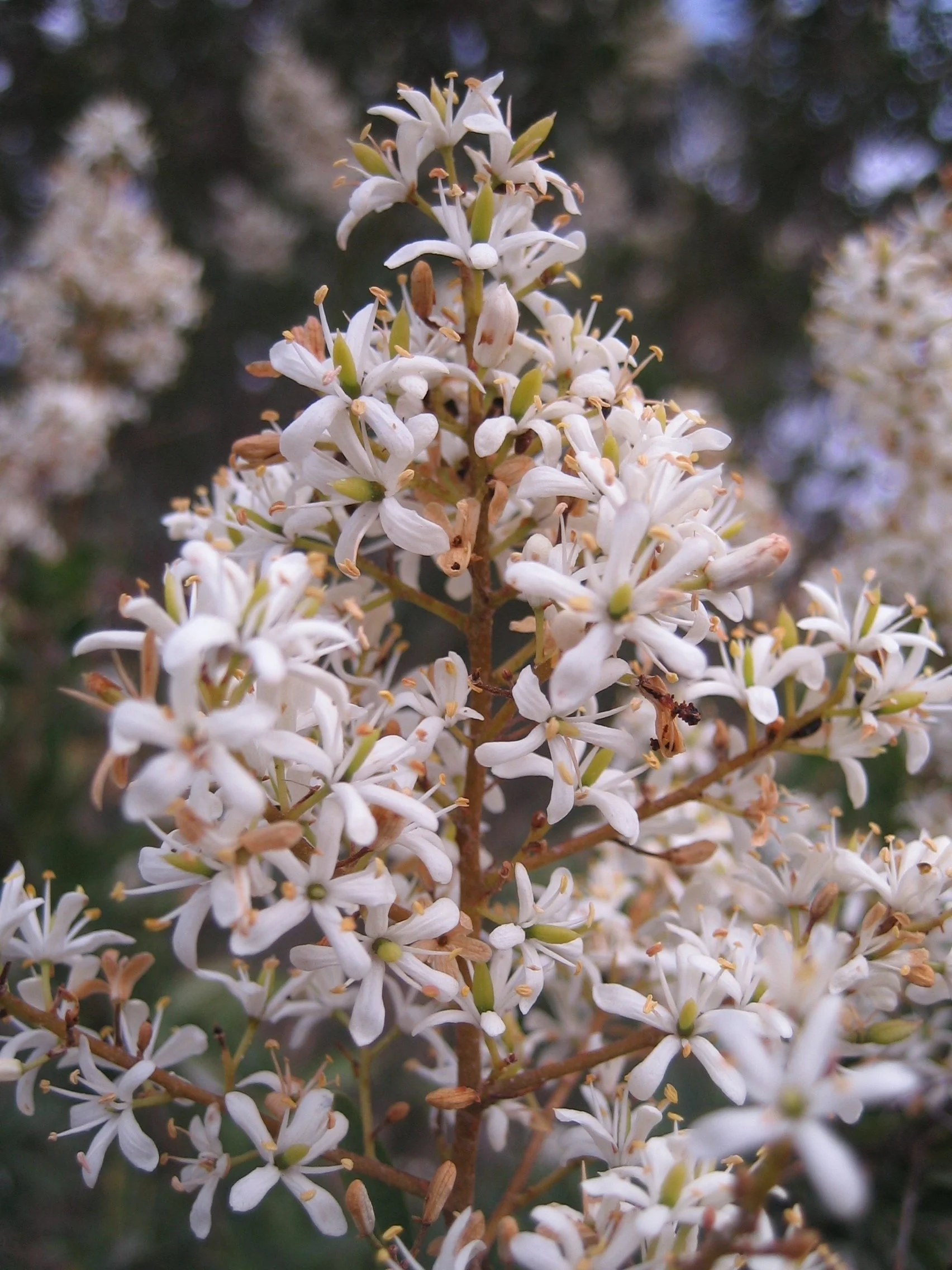
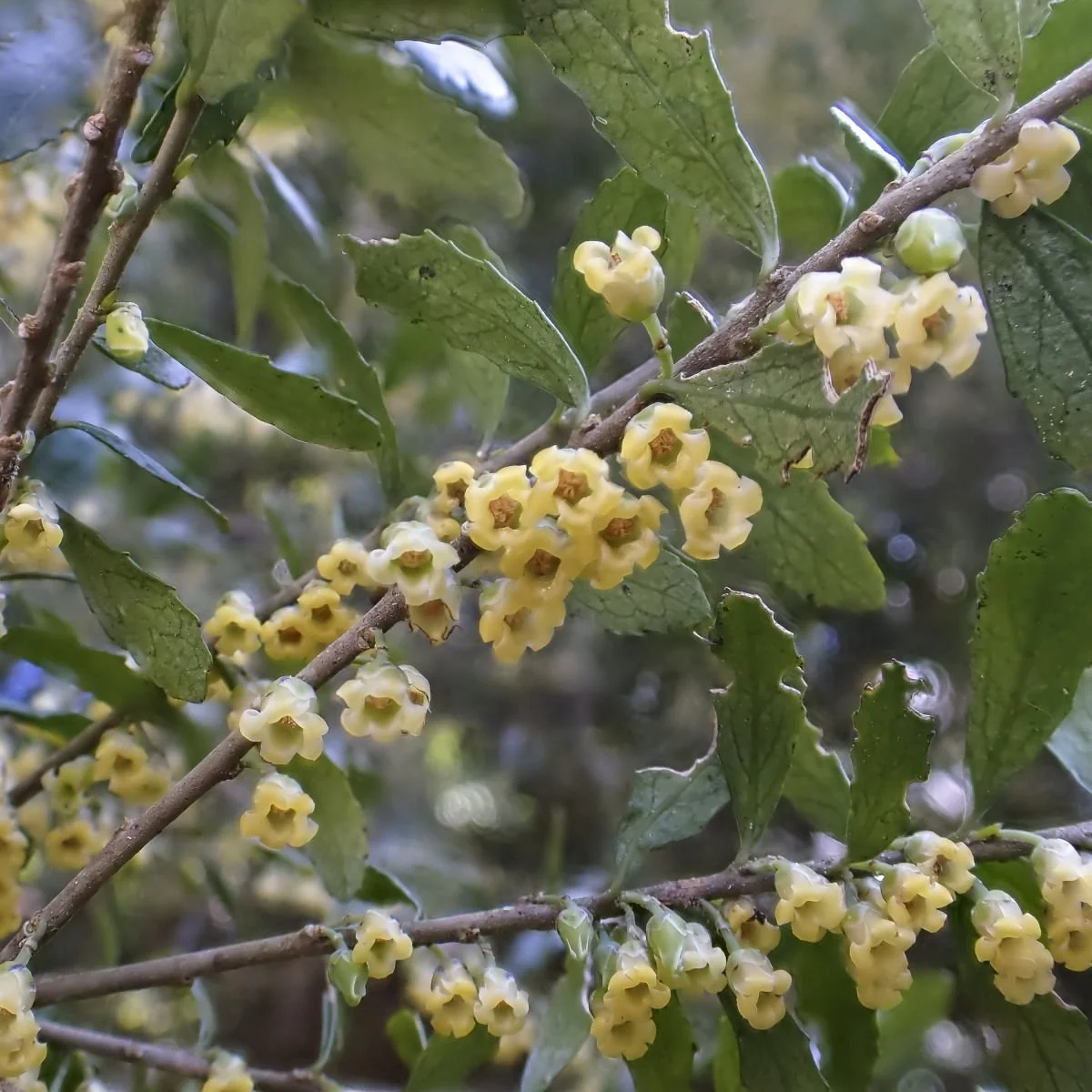
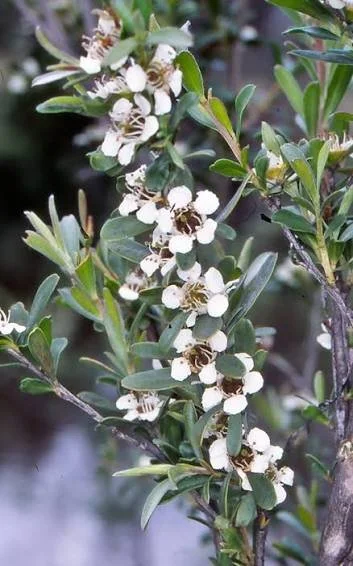
Plant a native understorey that fits our country. On the Mansfield plains, red gums naturally grow as Plains Grassy Woodland: a dense layer of native grasses, sedges and herbs with a sparse scattering of shrubs. So focus first on native grasses and groundcovers, then add clumps of shrubs for cover. The Goulburn Broken CMA's revegetation guide for the Upper Goulburn–Mansfield zone lists suitable local shrubs, including sweet bursaria (Bursaria spinosa), tree violet (Melicytus dentatus), varnish wattle (Acacia verniciflua), common cassinia (Cassinia aculeata), burgan (Kunzea ericoides) and narrow-leaf bitter-pea (Daviesia leptophylla). Bursaria and tree violet are spiny, which small birds love for nesting. On drier slopes and rises, hedge wattle (Acacia paradoxa) is another prickly local. Use species local to your area. Up2Us Landcare Alliance can advise on the right plants for regeneration on your site.
Plant in clumps, not single rows. Patches of a few hundred square metres or more, joined up where possible, are harder for noisy miners to dominate than thin strips.
Fence paddock trees from stock so the ground layer and seedlings can recover.
Keep the clutter. Fallen logs, branches, leaf litter and dead stags with hollows are homes for predatory insects, spiders and hollow-nesting birds like striated pardalotes.
Water important trees in dry spells. For a garden or farmhouse red gum, a slow, deep soak around the drip line every few weeks in a dry summer reduces stress. Avoid keeping the ground constantly wet.
Skip the sprays. Avoid broad-spectrum insecticides anywhere near red gums and their understorey.
Keep cats inside, especially at night and in spring when pardalotes are nesting low or in ground burrows.
Get involved
Get in touch with Up2Us Landcare Alliance, the Landcare network for Mansfield Shire, for advice on plants for regeneration, and join your local Landcare group to get involved in projects near you.
Record pardalotes, thornbills and noisy miners on Birdata or iNaturalist. Local sightings help researchers and land managers see where small birds are hanging on.
Will the trees recover?
Most will, given time. River red gums are tough survivors that have lived through lerp outbreaks for thousands of years. After defoliation, healthy trees push out fresh epicormic shoots from their branches and trunk. South Australian advice suggests regrowing lost leaves and getting back to flowering and seed takes about two years, and a severe attack can set a tree back three to four years.
The trees most at risk are those hit several years in a row, very old trees with few reserves left, and trees already struggling with drought, salinity or root damage. Signs a tree is in serious trouble include no new shoots after a full growing season, bark cracking or peeling in large sheets, and borer holes or fungal growth on the trunk.
Lerp outbreaks also tend to crash on their own as conditions change and predators catch up. So please don't write these trees off. The best long-term insurance is to give them back the neighbourhood they evolved with: shrubs, grasses, fallen timber, and the small birds that call it home.
Sources and further reading
Managing dieback in river red gum communities, Northern and Yorke Landscape Board (2016)
Aggressive exclusion of birds by abundant Noisy Miners, Final Determination, NSW Scientific Committee
Noisy Miner Key Threatening Process profile, NSW BioNet
Can culling noisy miners benefit threatened woodland birds?, NESP Threatened Species Recovery Hub
Grey, Clarke and Loyn (1998), Influence of the Noisy Miner on avian diversity in remnant Grey Box woodland, Pacific Conservation Biology
Debus (2008), The effect of Noisy Miners on small bush birds, Pacific Conservation Biology
Density of birds in eucalypt woodland affected by dieback, Emu (1981)
Bell Miner Associated Dieback profile, NSW BioNet
Red gum lerp psyllid and its biological control, UC Riverside Center for Invasive Species Research
Eucalyptus redgum lerp psyllid, UC IPM
Why our eucalypts look unhealthy, Merri Creek Management Committee
River red gum condition in relation to river flow in Victoria, Australian Society for Limnology (2013)
Upper Goulburn–Mansfield revegetation guide, Plains Grassy Woodland, Goulburn Broken CMA
Upper Goulburn–Mansfield revegetation guide, Dry Slopes and Ridges, Goulburn Broken CMA
Collett, N. (2001). Biology and control of psyllids, and the possible causes for defoliation of Eucalyptus camaldulensis in south-eastern Australia: a review. Australian Forestry 64(2): 88–95.