Nestboxes, Native Plants and Landcare
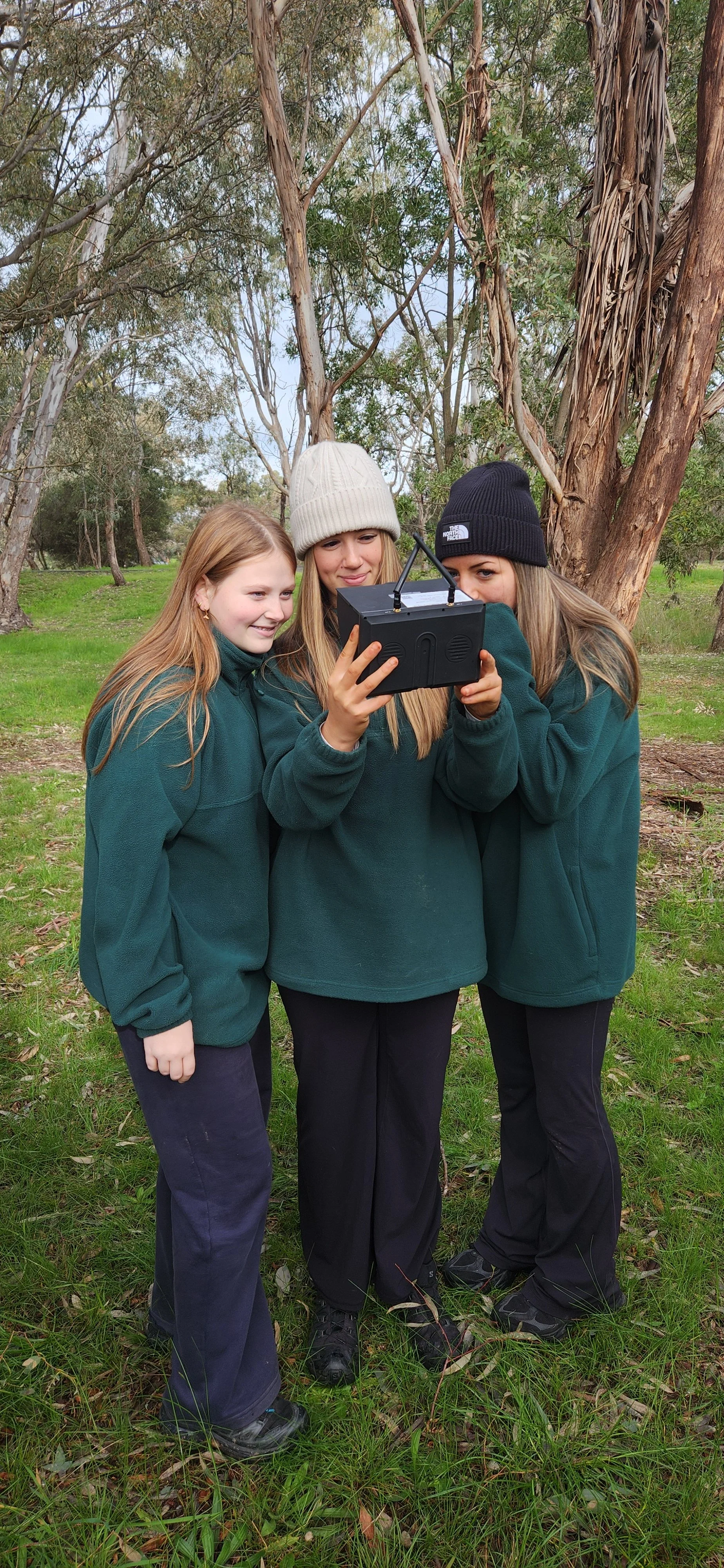
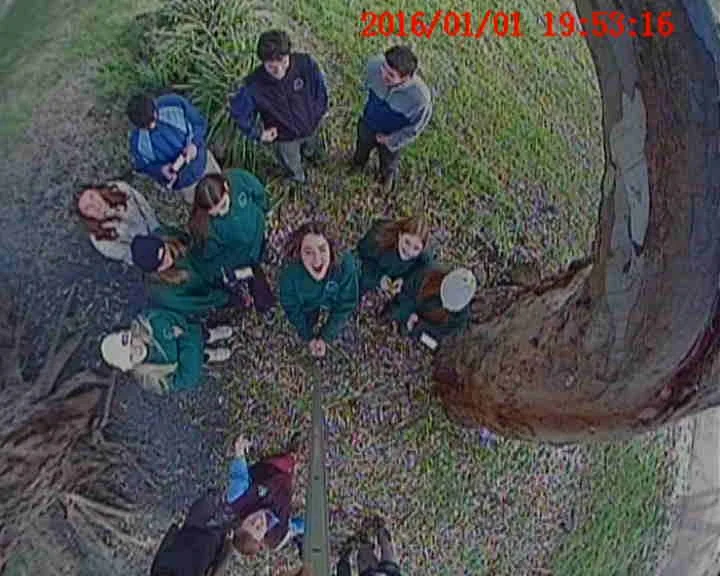
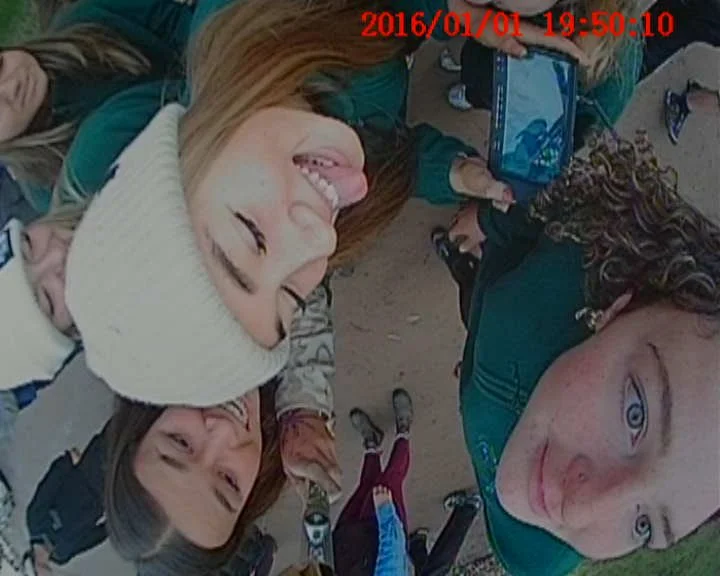
On their way up to a few days on Mt Stirling, Frankston High School's VCE Outdoor Education students made a worthwhile stop at Mullum Wetlands, where Up2Us was waiting to give the Year 11 and 12 cohort a hands-on introduction to Landcare in action.
Setting the Scene
Before splitting into groups, Up2Us staff gave the students a rundown of Landcare's role in the local community and a look at some of the projects currently underway at Mullum Wetlands. From there, the students broke into two groups to rotate through a pair of activities, both aimed at the same broader goal: enhancing habitat for wildlife while connecting people to the landscape they're standing in.
Wetland Walk and Nestbox Checks
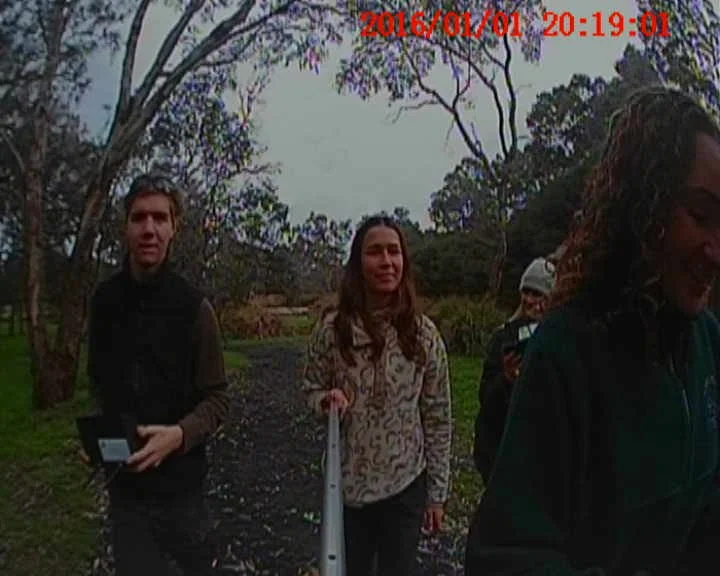
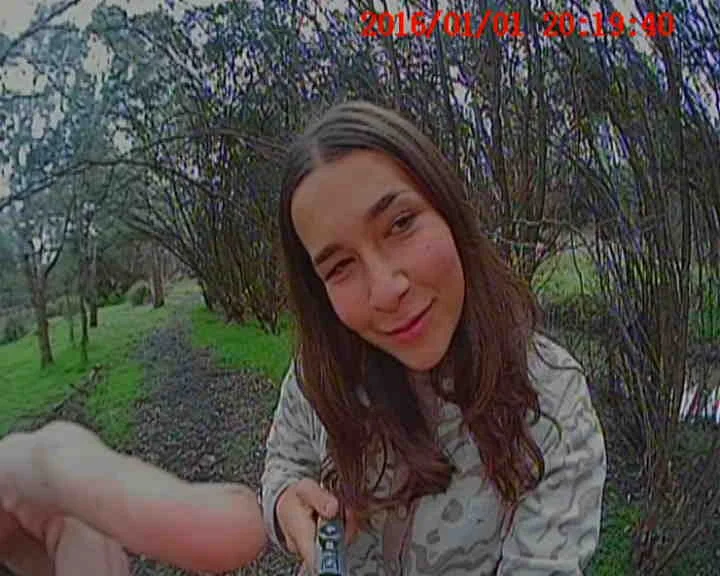
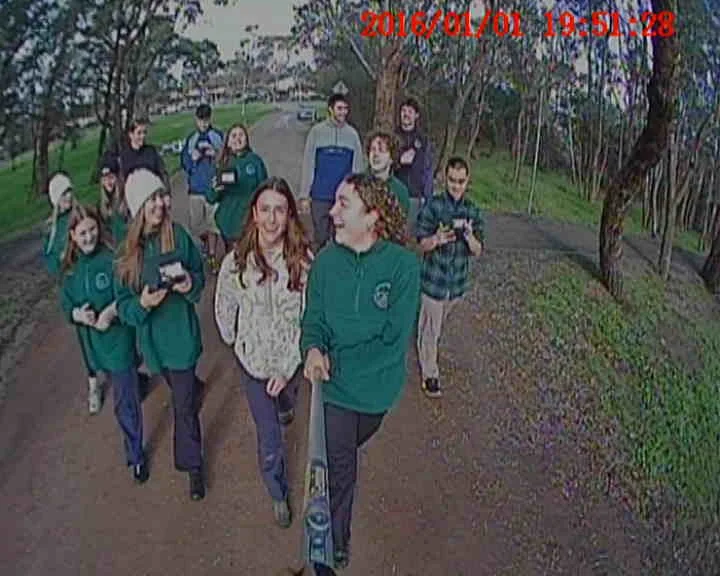
The first group headed out through the wetlands for a walk that doubled as a crash course in ecology. Topics covered included vegetation connectivity, habitat provision, arboreal mammals and landscape fragmentation, all framed around the idea of a functional ecosystem, where each of these pieces relies on the others.
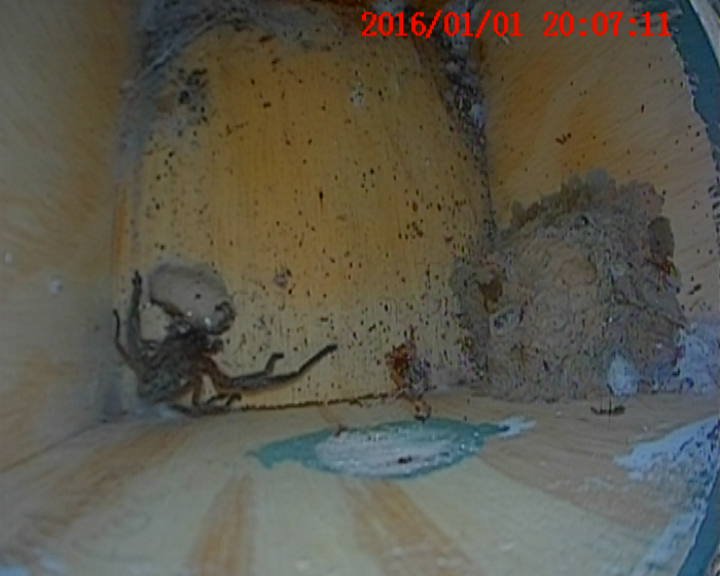
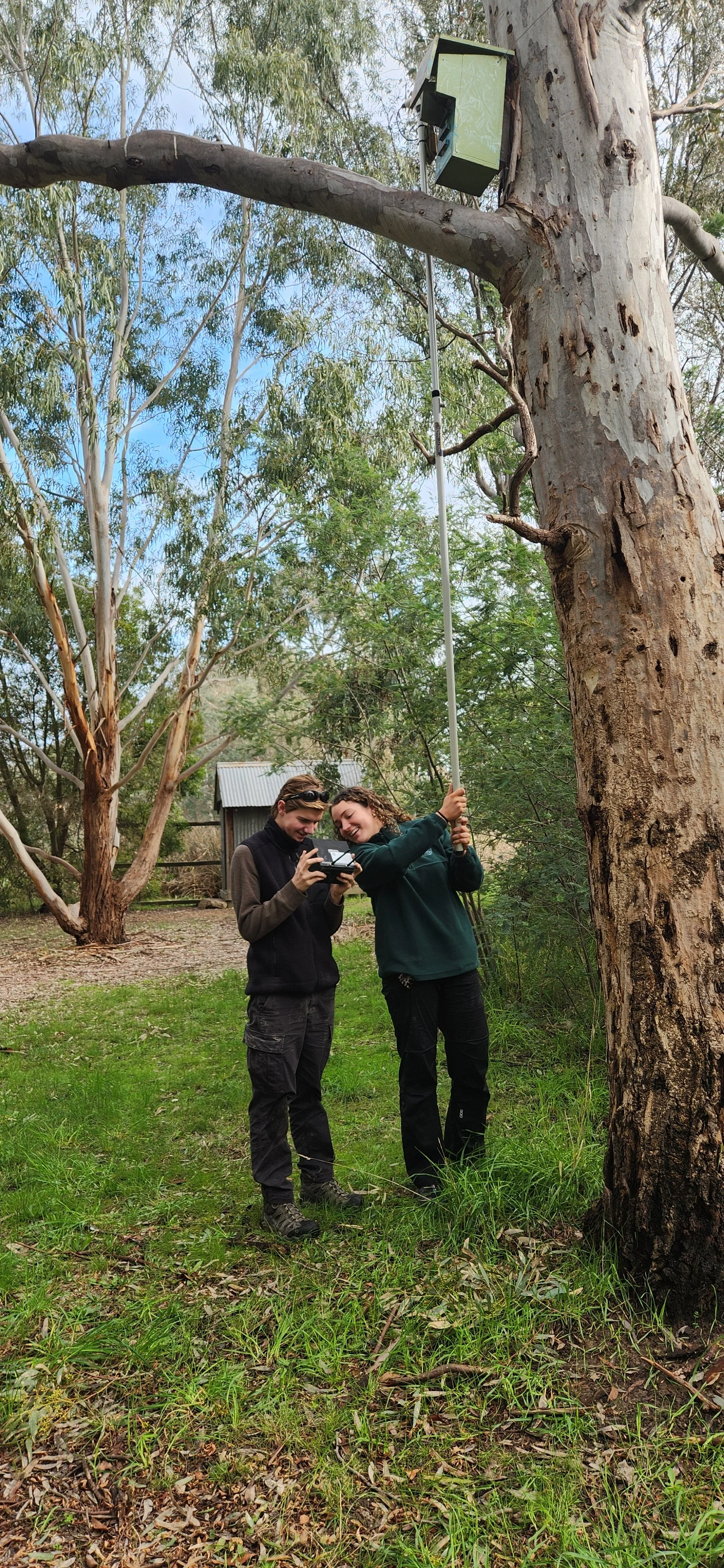
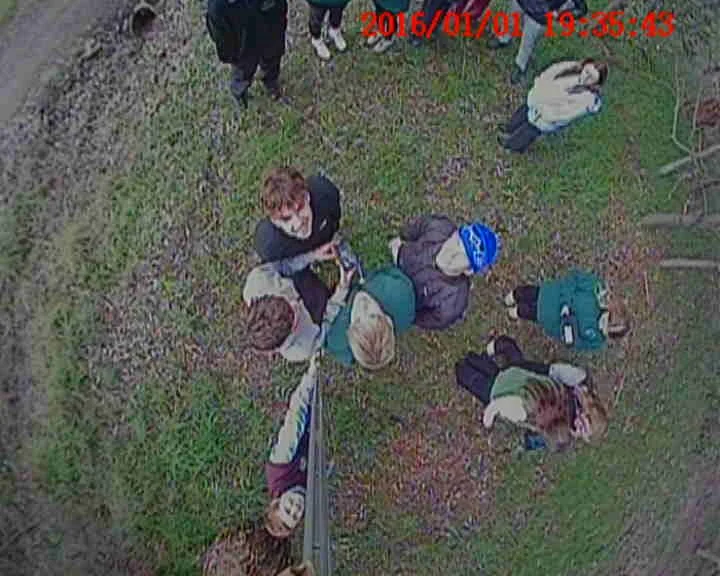
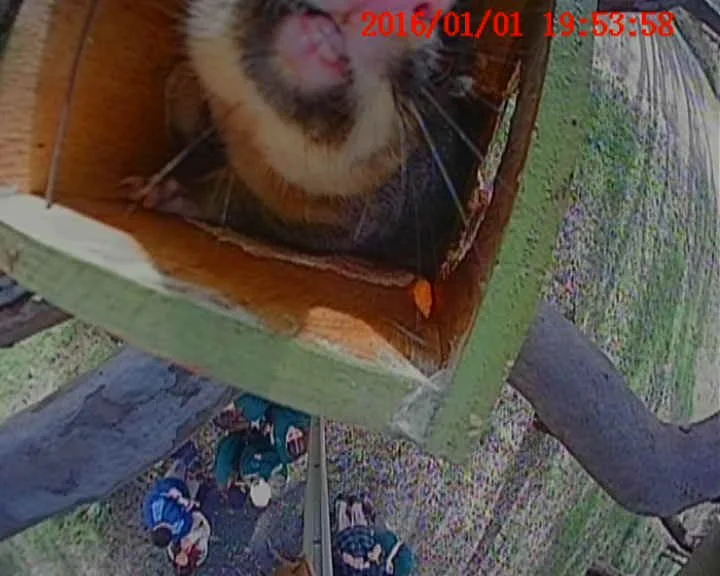
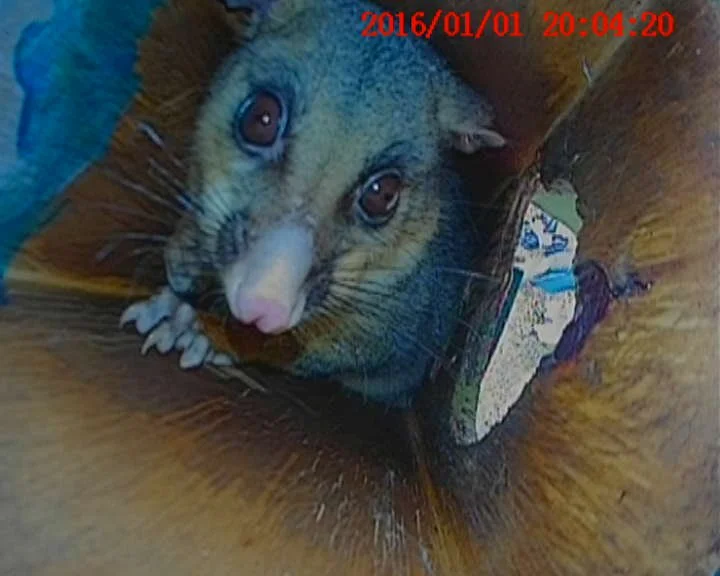
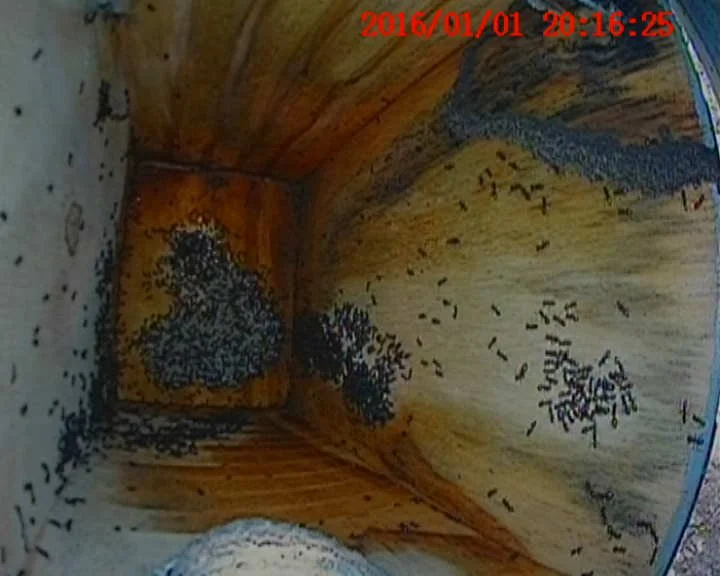
Along the way, the group checked a series of nestboxes installed through the wetlands. Results were a mixed bag, as they often are with box checks: some were empty, a few held sleepy brushtail possums that had wedged themselves into parrot boxes, and others turned out to be home to spiders. The spiders proved to be a highlight in their own right, with a few hairy specimens sending some students jumping back in horror while everyone else fell about laughing. Even without a headline discovery in every box, the check gave students a genuine sense of the monitoring work that underpins arboreal mammal conservation, and a good look at just how varied a nestbox can be, from a cheeky brushtail borrowing someone else's home to an eight-legged tenant nobody was expecting.
Revegetation in Practice
While the first group was out walking, the second was busy planting indigenous understorey species amongst the wetland's already-established vegetation. Rather than starting from bare ground, this planting was about filling in the gaps and thickening up the layers of habitat that already exist.
Students learned about species selection and how indigenous seedlings are sourced for revegetation work, along with the planting techniques that give young plants the best chance of establishing. It's the kind of practical skill that sits behind almost every Landcare planting day, and one the students got to apply directly.
Why It All Connects
Though the two activities looked quite different on the day, they're two sides of the same coin. Walking the wetlands and checking nestboxes builds an understanding of what habitat already exists and how well it's functioning, while planting understorey species is about actively building more of it. Together, they reflect the core aims behind the work Up2Us does at Mullum Wetlands: enhancing vegetation for wildlife, connecting community to nature, and educating people on the value of Landcare, conservation and the relationship between the two.
Part of a Bigger Picture
Frankston High's visit is one of many ways Mullum Wetlands is used as a living classroom. Up2Us runs regular education sessions for visiting and local schools, and the site is also a hub for community engagement more broadly, including planting days, bird watching and arboreal mammal surveys with Mansfield Kindergarten, as well as ongoing collaborations with the Mansfield Shire Council and the Friends of the Rail Trail.
It all adds up to a wetland that isn't just being conserved, but actively shared, studied and cared for by the people around it. Thanks to the Frankston High Outdoor Ed students for their energy and curiosity on the day, and safe travels for the rest of the trip up to Mt Stirling!