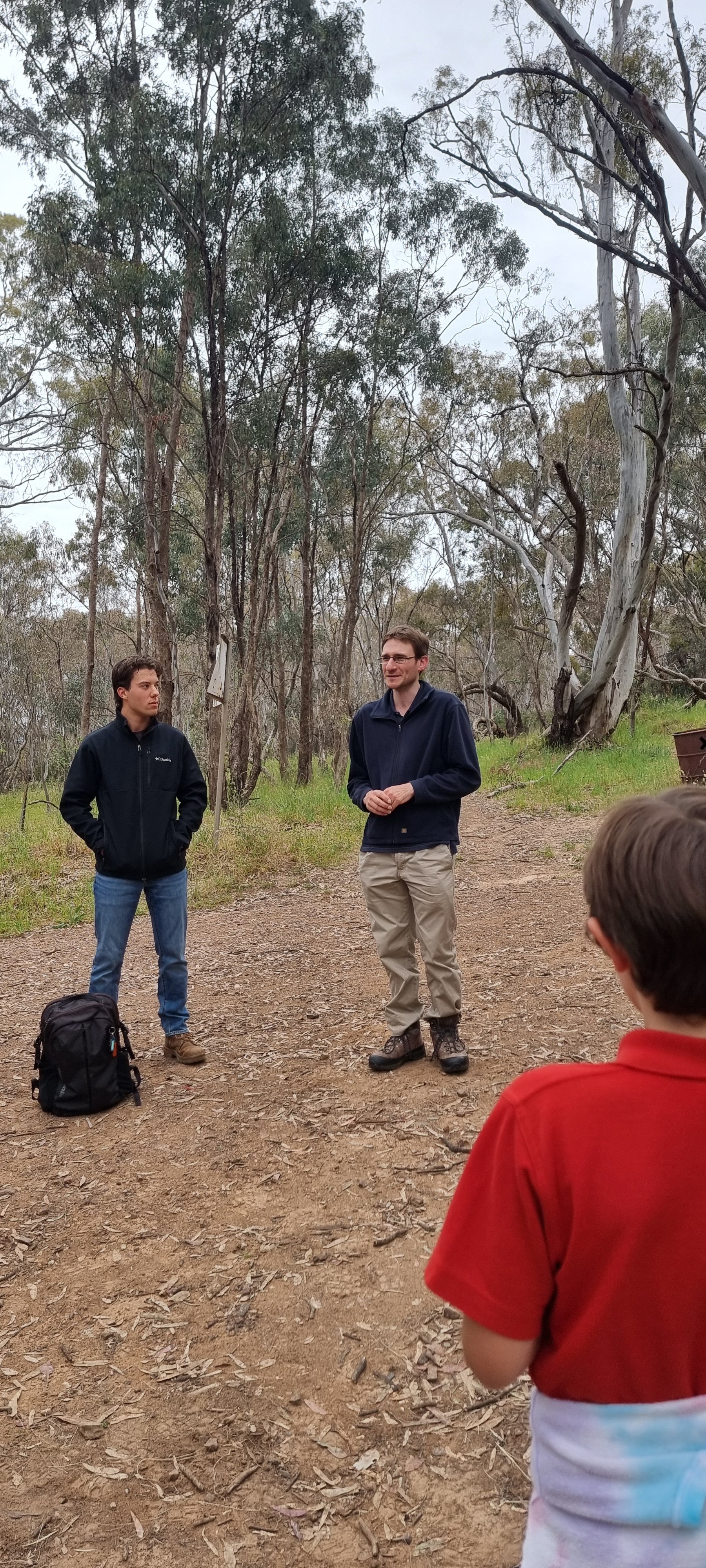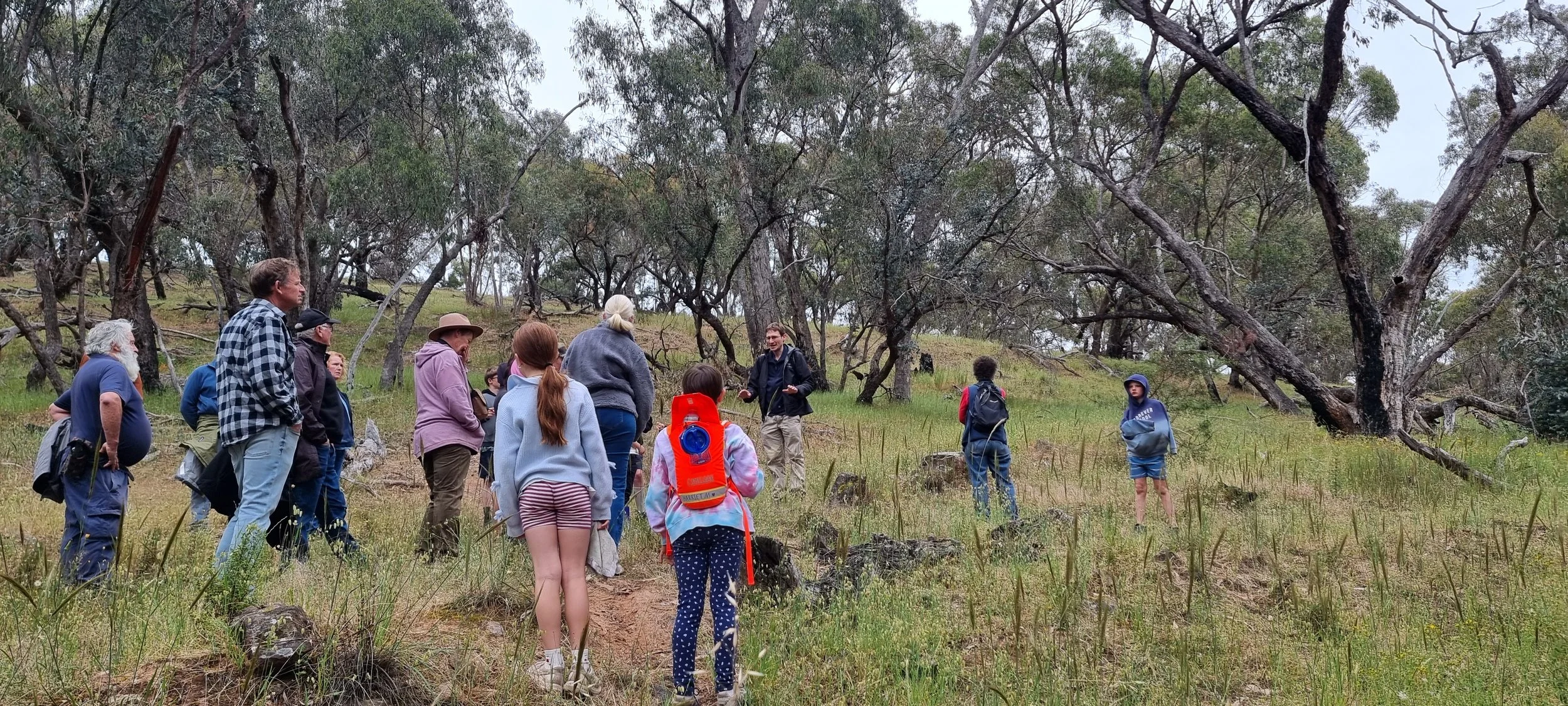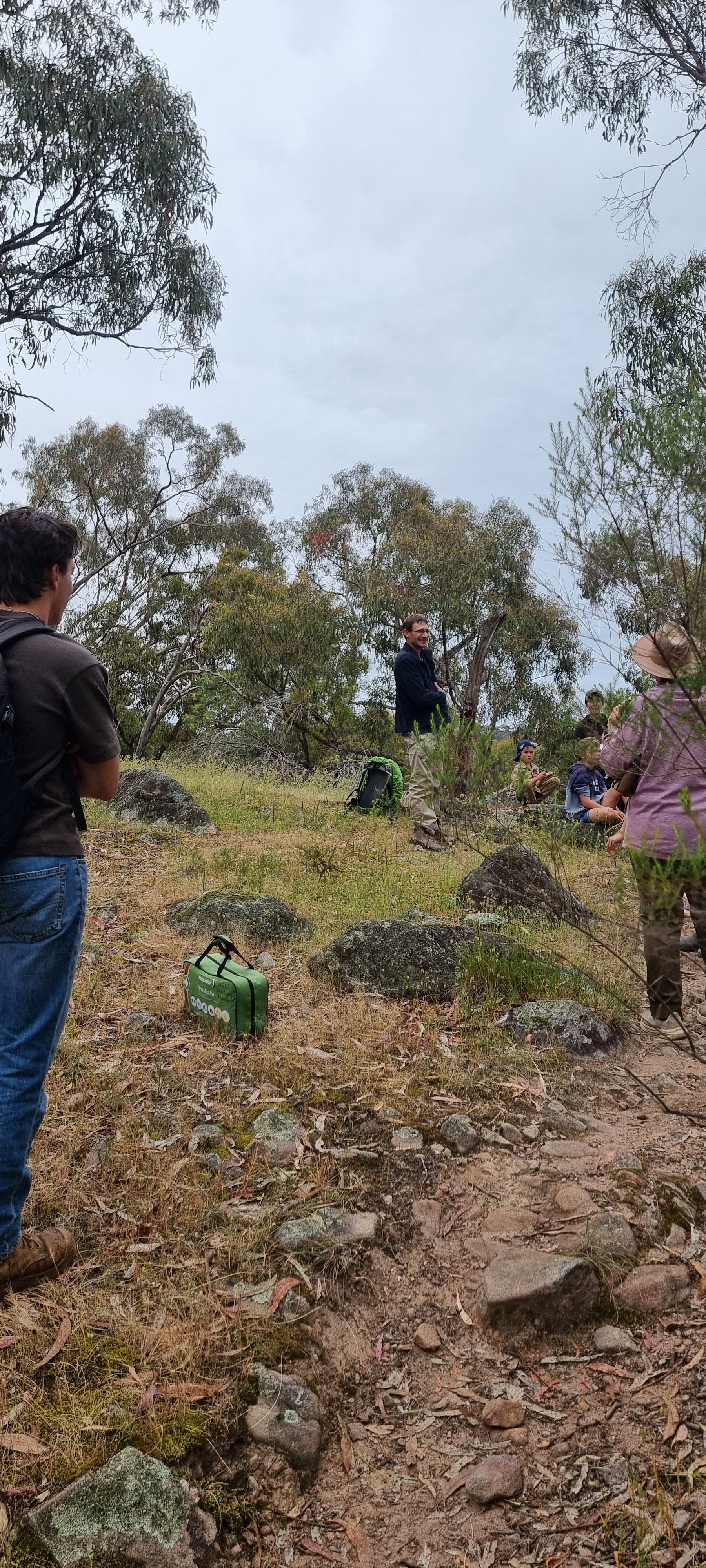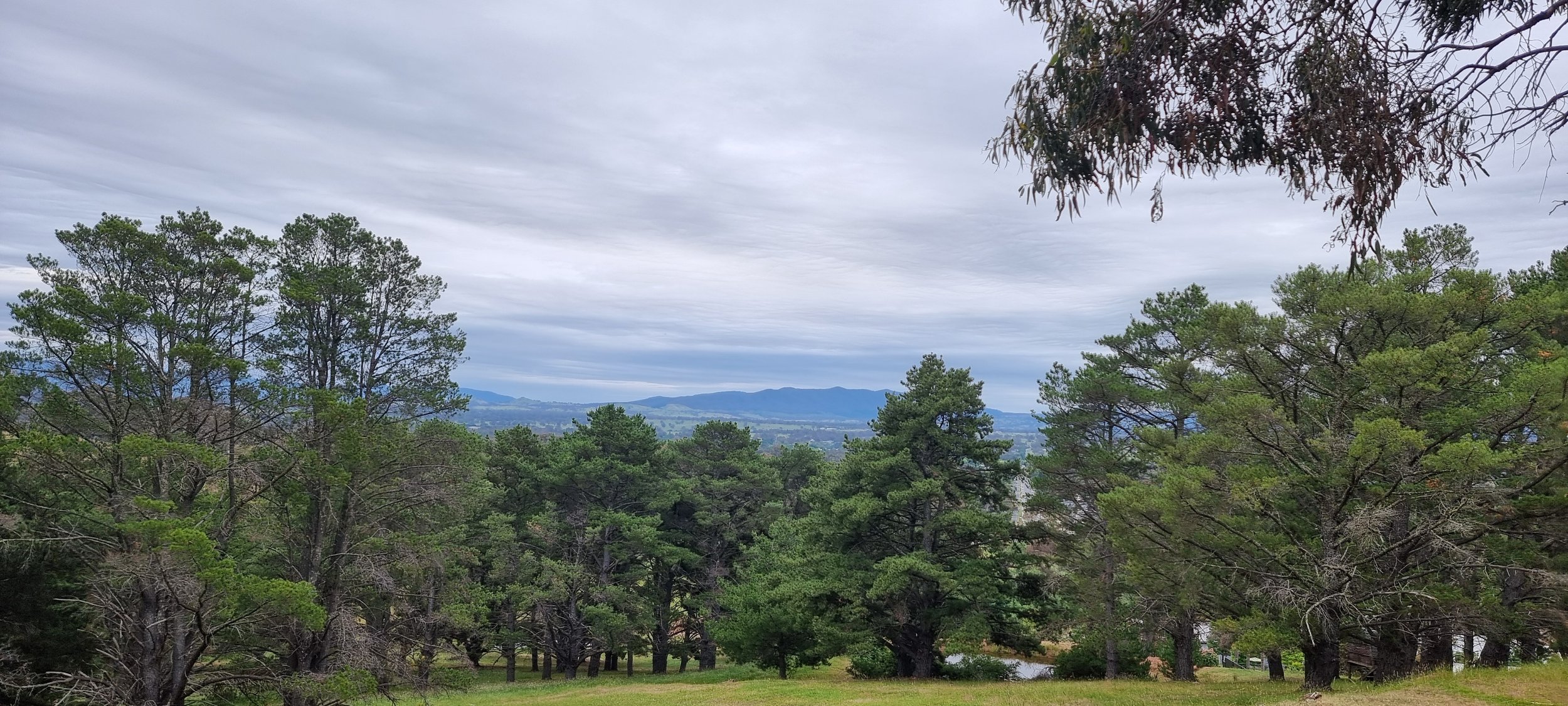
On Friday 13 November we headed out to Rifle Butts Reserve for our reptile walk, and we were thrilled with the turnout. Thank you to everyone who came along. It was lovely to see so many people keen to learn more about the wildlife that shares our local landscape.
What we learnt
The morning began with a short presentation from Dave DeAnglis, who set the scene for the day. Dave talked us through what to expect on the walk and which reptile species have been recorded at Rifle Butts, including the ones we might be lucky enough to spot.
Dave also introduced iNaturalist, a free app that lets anyone record what they see in nature. He explained why these records matter so much. Each observation adds to a bigger picture of which species live in our landscape, where they turn up and how that changes over time. Together, that information helps us understand and care for our local environment, and plan for a future with a changing climate.
Out on the walk
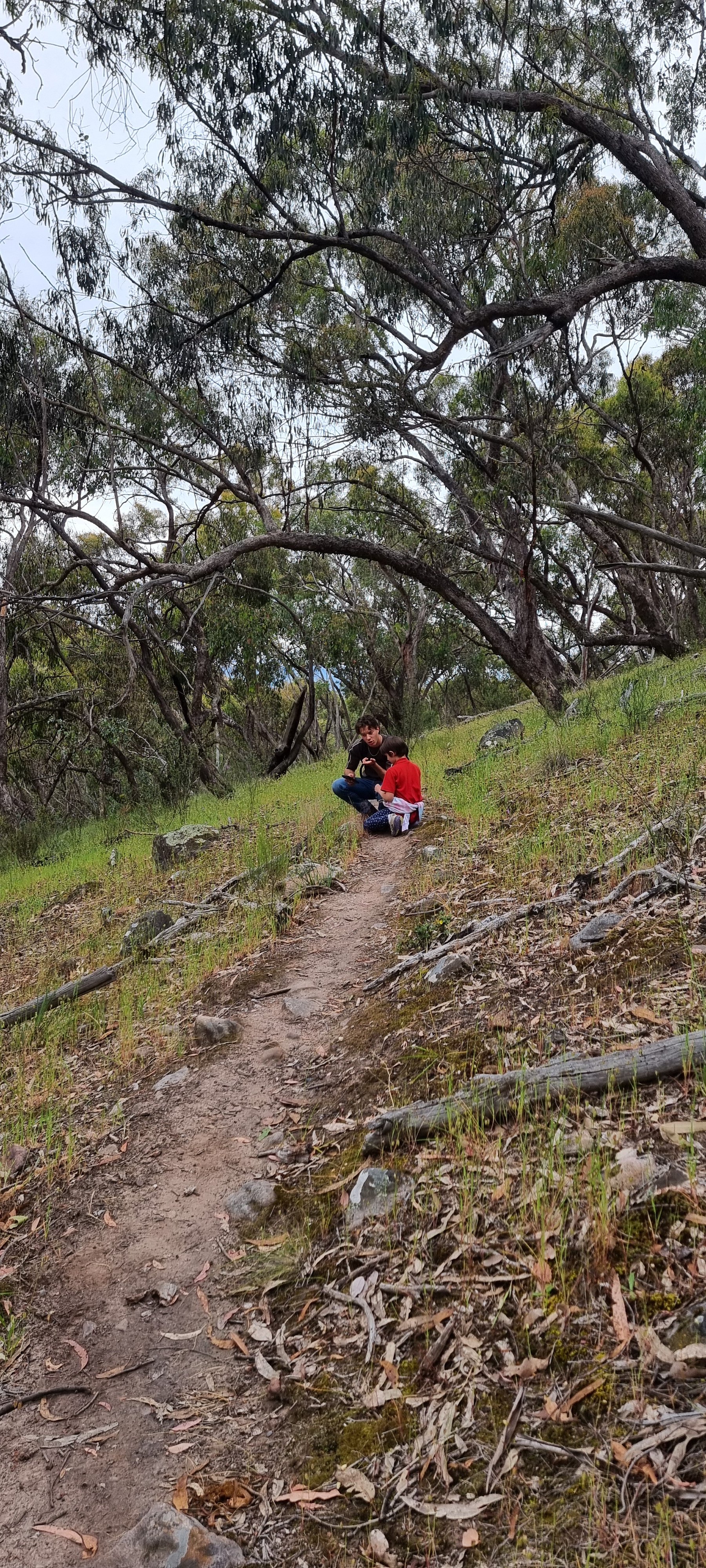
With the background covered, we set off around the reserve. Along the way we picked up some practical skills: the kinds of places reptiles like to shelter and bask, the signs to look out for, and what to do (and what not to do) if you come across one.
The ones that stayed hidden
The reptiles stayed tucked away this time. It was an overcast day, and reptiles depend on the sun to warm up, so they tend to keep out of sight when it’s cool and cloudy. We reckon that if the sun had come out, we’d have spotted a few basking!
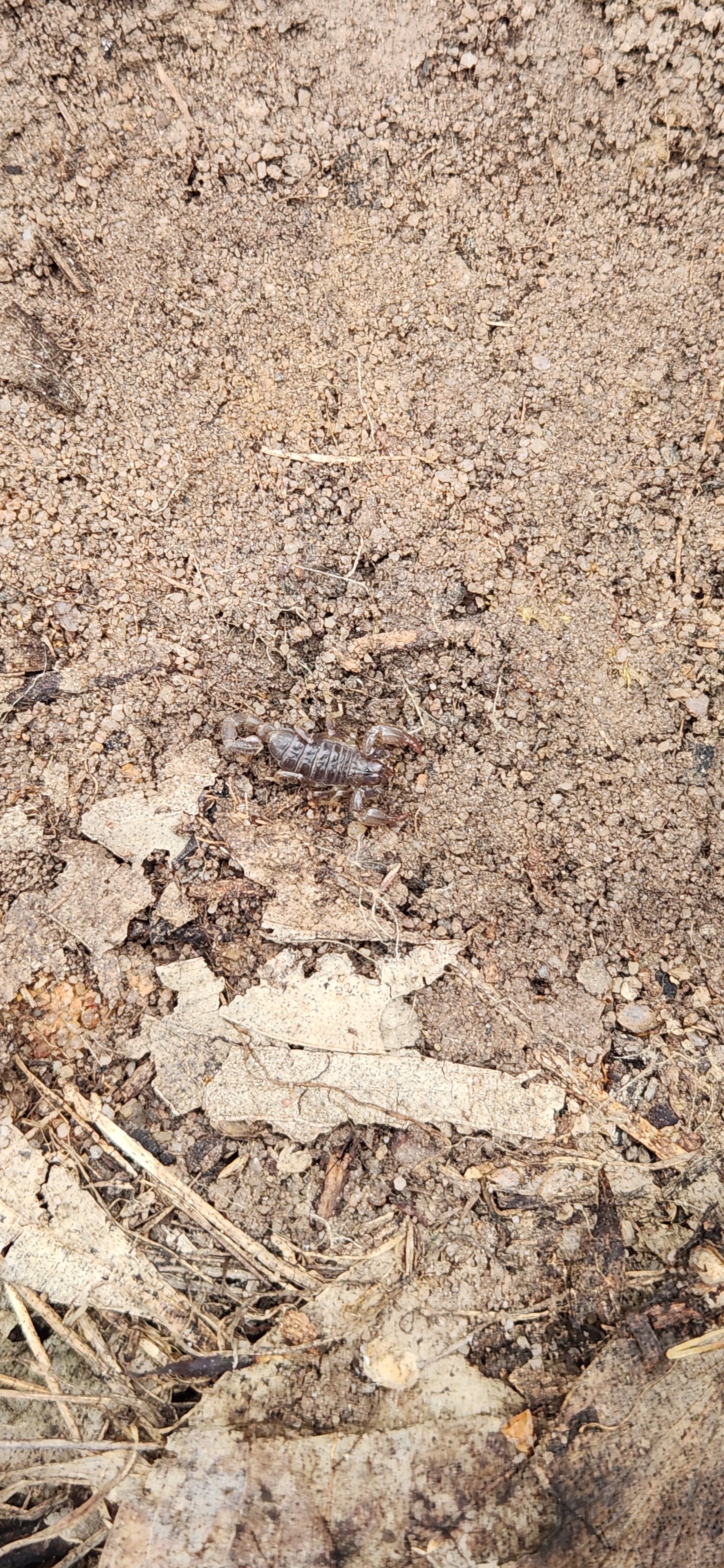
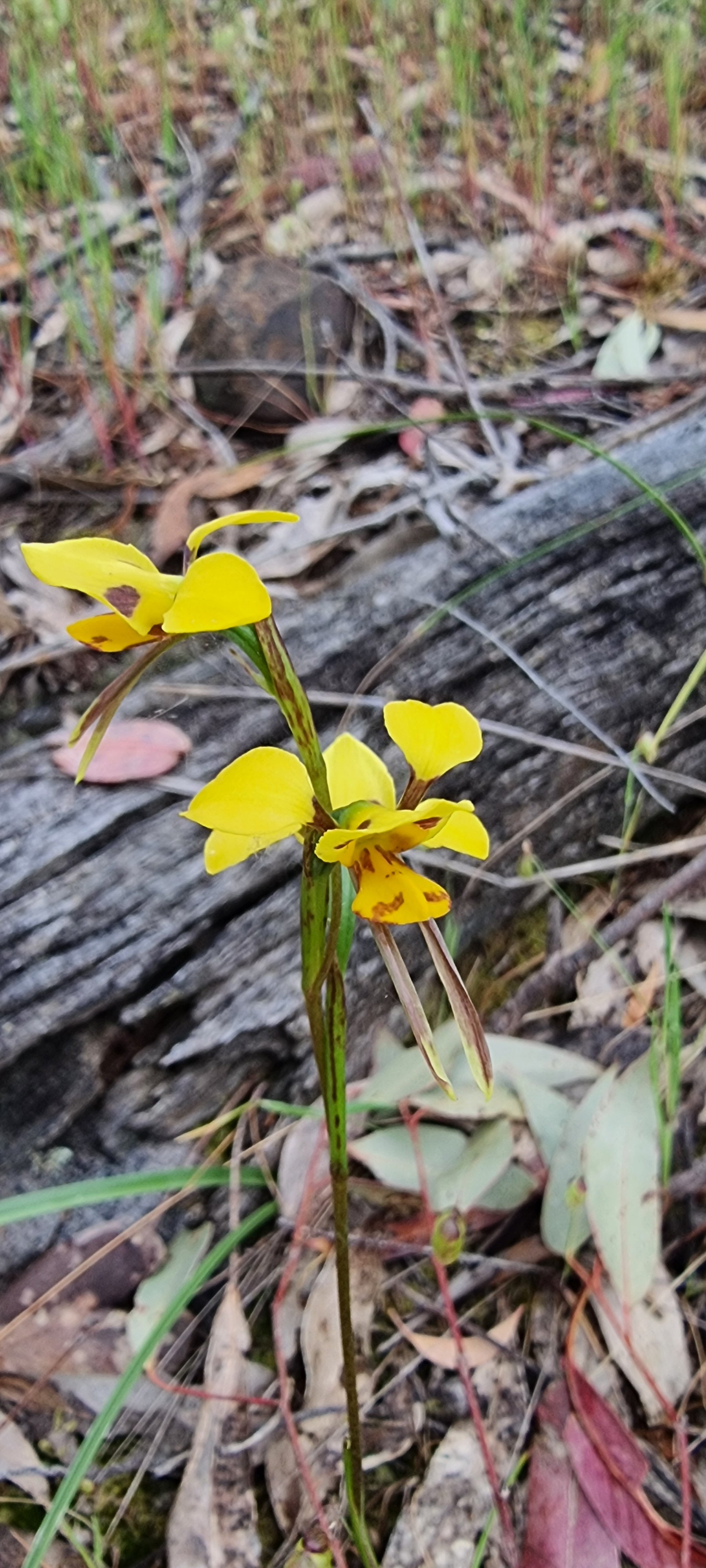
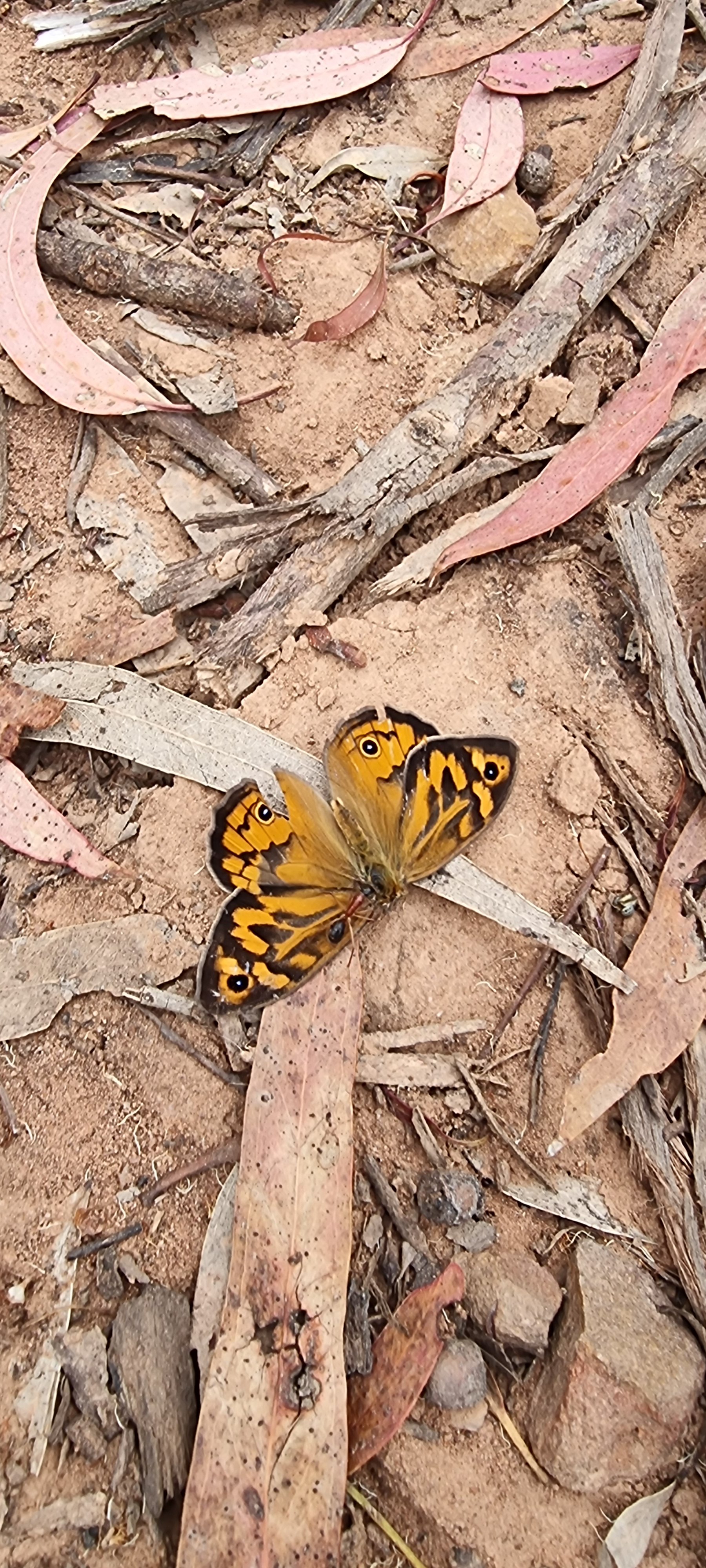
The walk still had plenty to offer. We came across beautiful wildflowers, some lovely birdlife and lots of other small gems along the way, which reminded us how much there is to notice when you slow down and really look.
Keep an eye out
Now that the weather is warming up, it’s a great time to keep watch on your own walks. If you spot a reptile, a wildflower or anything else that catches your eye, snap a photo and upload it to iNaturalist. Every record helps build our understanding of the local landscape, and you don’t need to be an expert. The iNaturalist community will even help you identify what you’ve found.
A big thank you to Dave for sharing his knowledge so generously, and to everyone who joined us on the day. Keep an eye on our website and social media for more citizen science events coming up soon.
This project is supported by FRRR, through funding from the Australian Government’s Future Drought Fund.