Engaging Landcare in BushBank: an internship with Cassinia Environmental
From February to May 2026, I completed a three-month internship with Cassinia Environmental, based out of the Social Foundry in Kyneton. The project focused on a practical challenge: how can the BushBank Program better connect with Victoria's Landcare community to increase awareness and drive expressions of Interest from private landholders?
The project had three components — a case study, a series of stakeholder interviews, and a Landcare engagement strategy.
Penny Roberts and the Cobaw Biolink
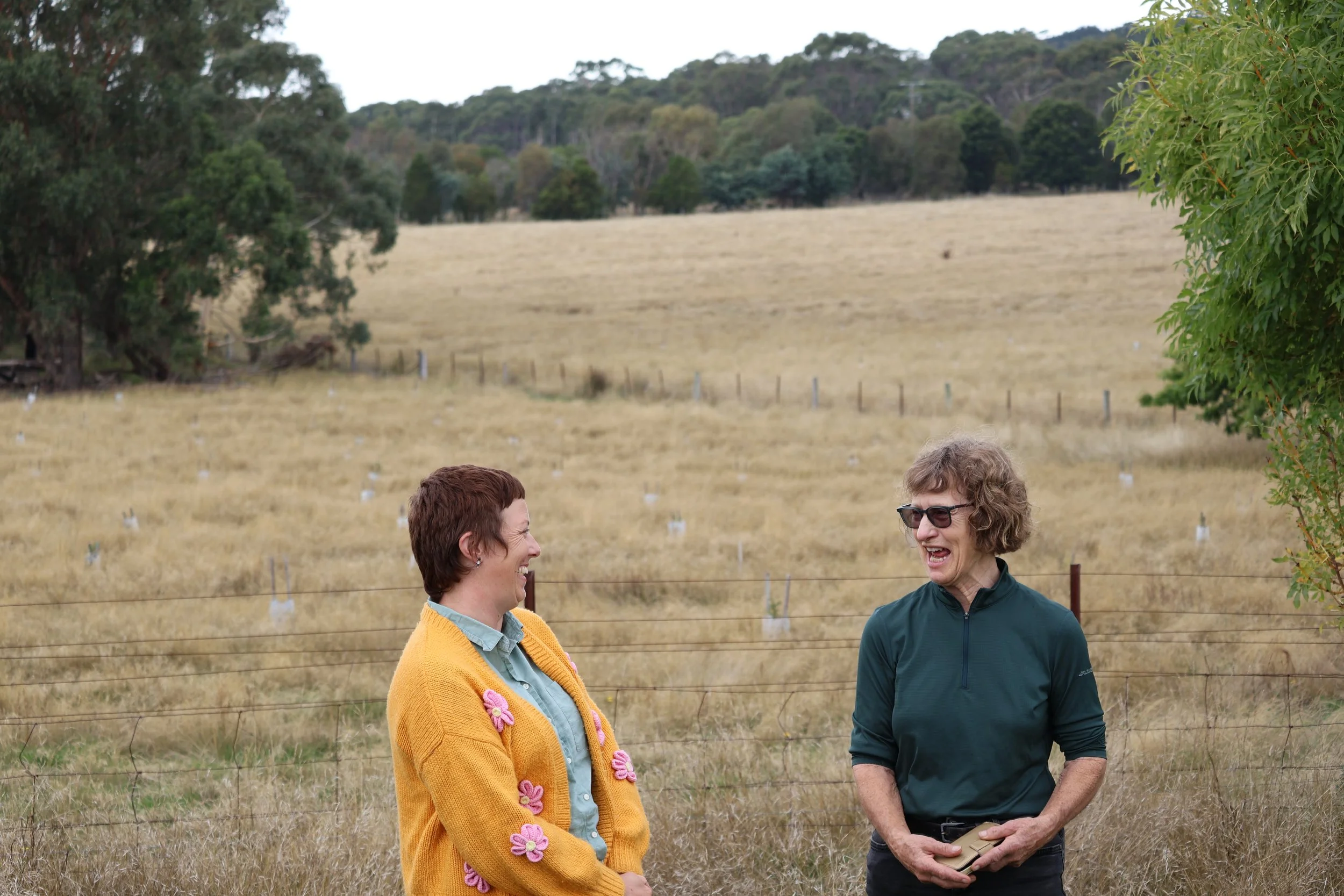
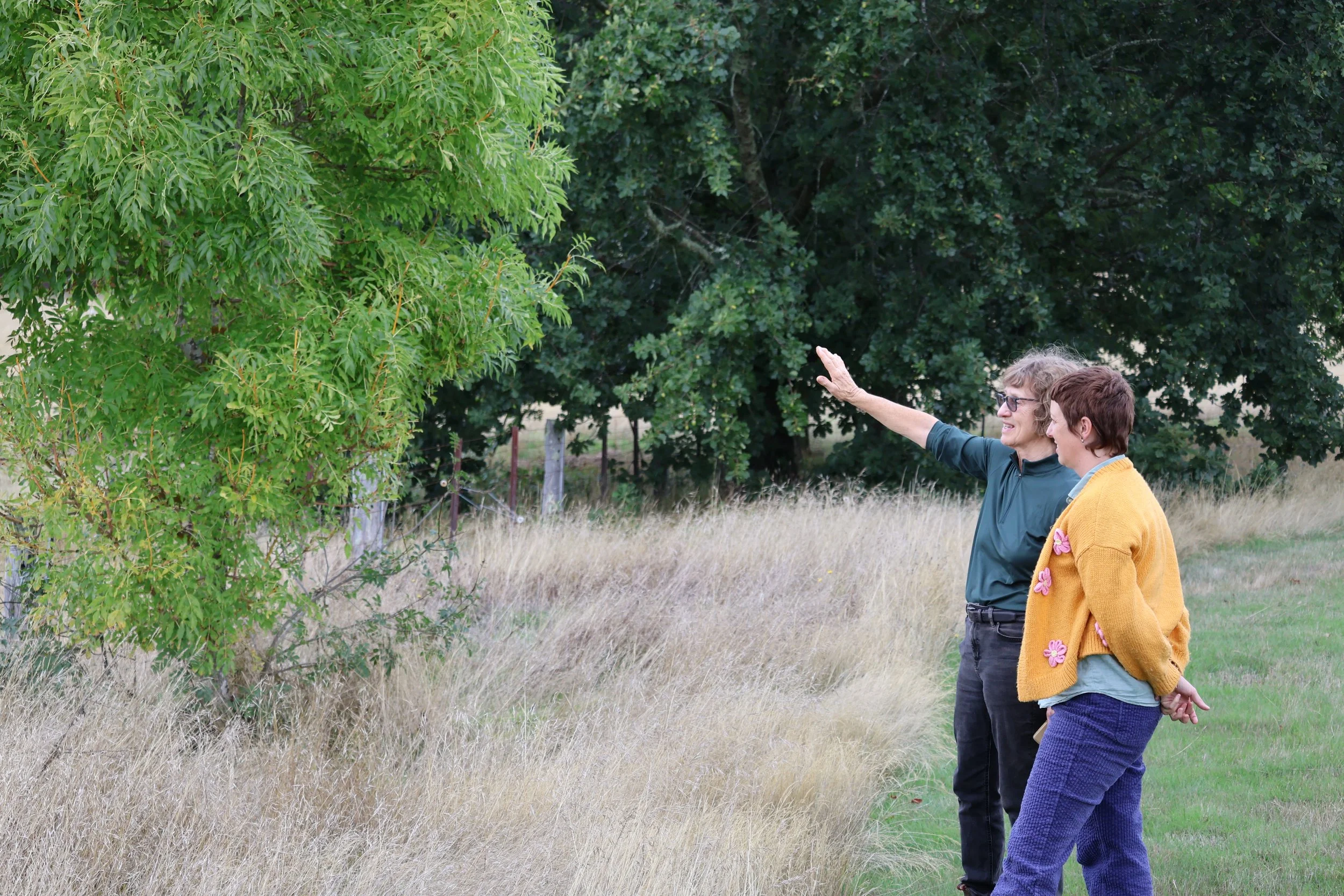
The first task was developing a written case study for Penny Roberts, a long-time member of the Newham and District Landcare Group who is now restoring 36.8 hectares at Three Chain Road near Newham through the BushBank Program.
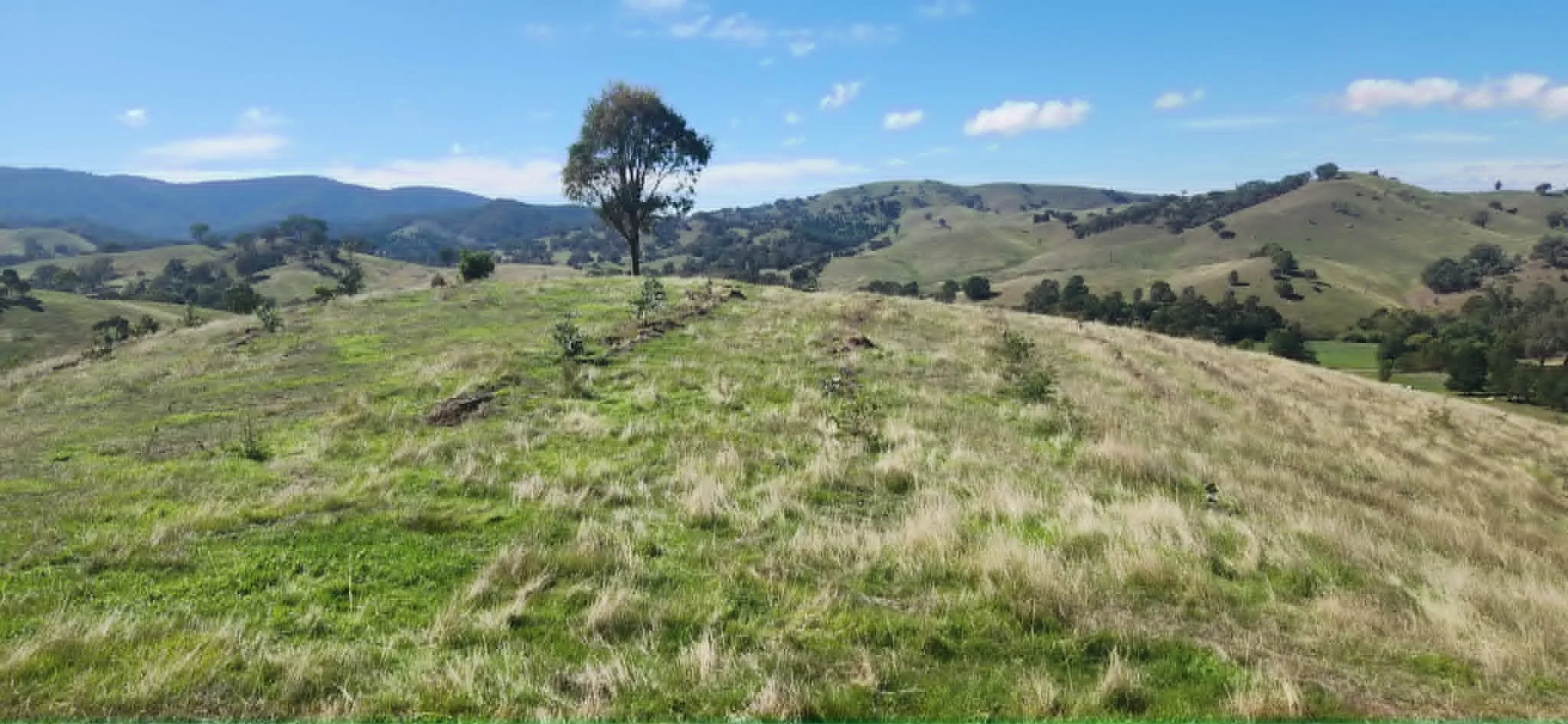
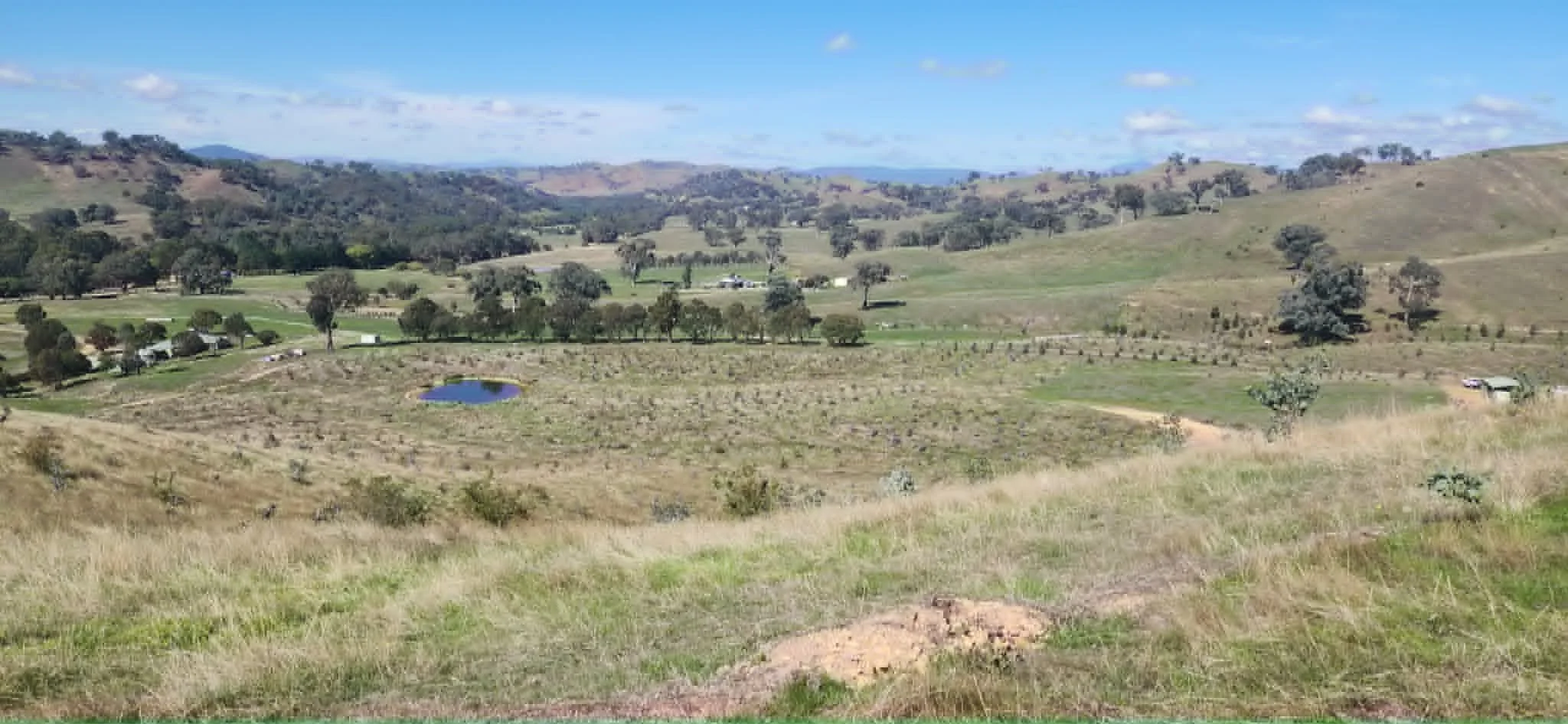
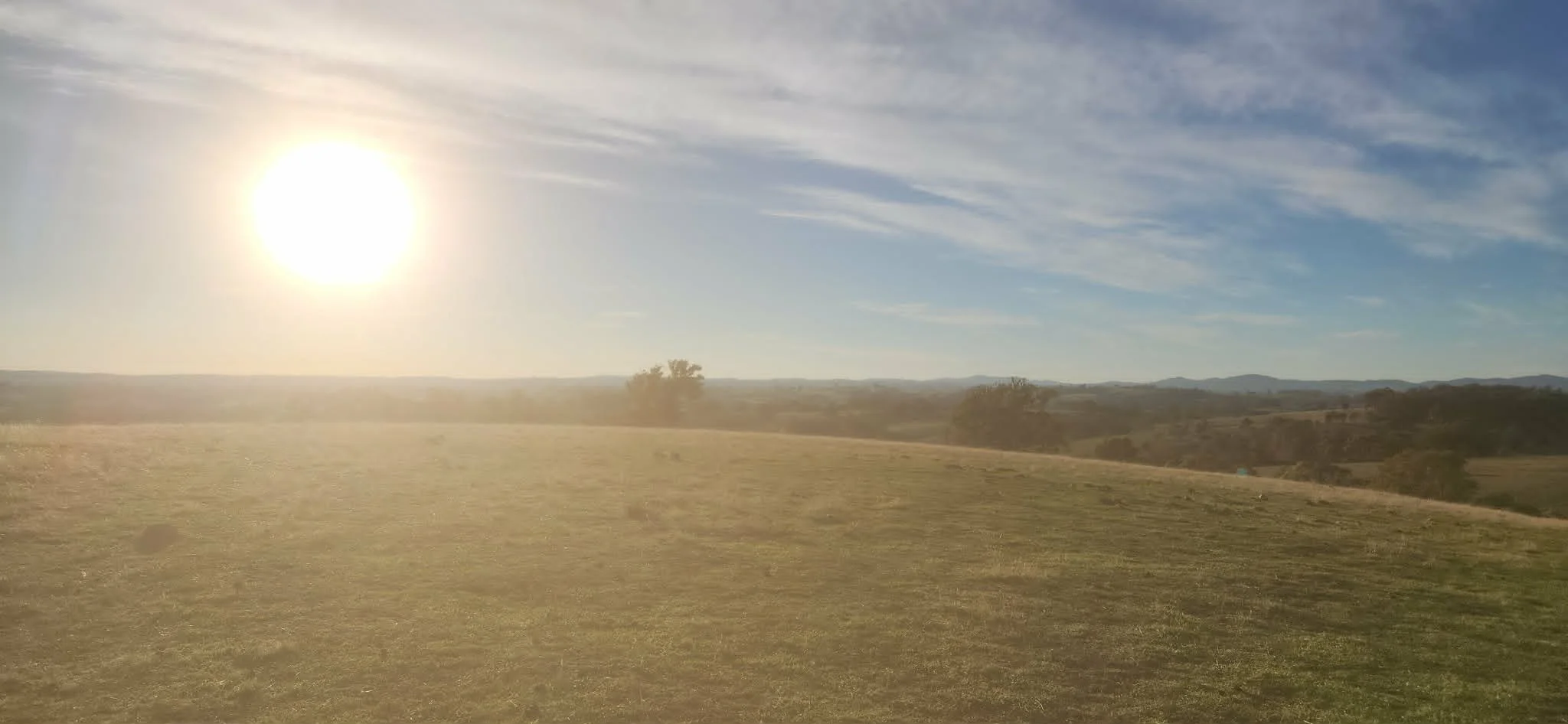
Penny's property sits within the Cobaw Biolink — a strategically important wildlife corridor connecting Mount Macedon Regional Park with the Cobaw State Forest. Through BushBank and co-funding from Greenfleet, the project is establishing Herb-rich Foothill Forest and Swampy Riparian Woodland across cleared paddocks, with a Trust for Nature covenant to permanently protect the restored vegetation.
What Penny's story illustrates well is the role Landcare plays in the pathway to BushBank. Two decades of involvement with the Newham and District Landcare Group gave her the ecological knowledge, the landholder networks, and the long-term vision that made a project of this scale possible. You can read the full case study on the Cassinia website.
What Landcare facilitators told us
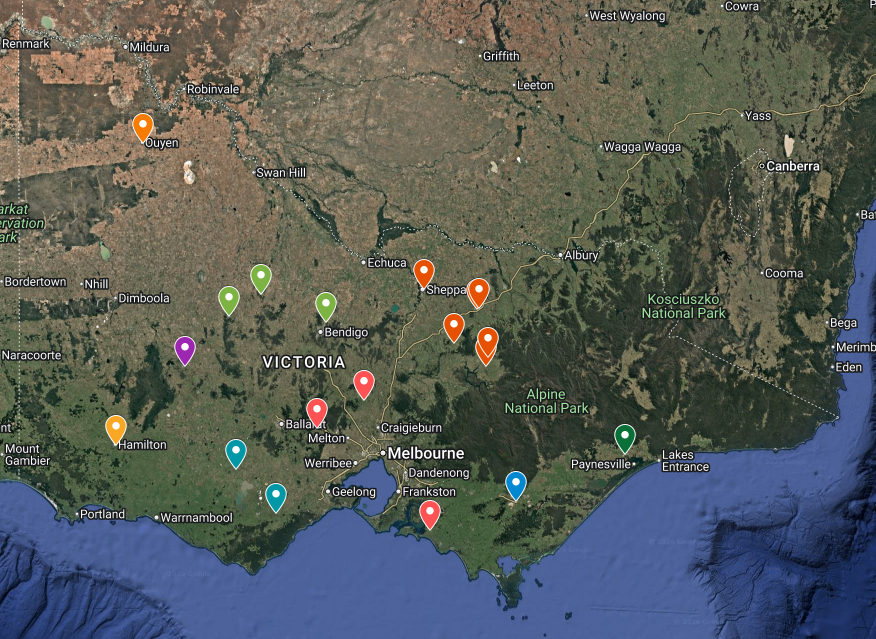
The second part of the project involved interviewing 20 Landcare facilitators and network coordinators across 10 CMA regions in Victoria — the first time Cassinia has systematically documented the Landcare community's awareness and perceptions of BushBank at a statewide scale.
The headline finding was that 88% of facilitators had low or no awareness of BushBank before being contacted. This isn't a reflection of insufficient effort from the BushBank team — it reflects the structural reality of the Landcare network, where high facilitator turnover, isolated working conditions and out-of-date contact information make sustained communication genuinely difficult.
The other consistent message was that facilitators aren't looking for more digital communication — they want direct, ongoing contact with a named person at Cassinia they can call and refer landholders to. That's a straightforward finding with real implications for how BushBank approaches engagement.
The engagement strategy
The third piece was translating the interview findings into a practical Landcare Engagement Strategy and Action Plan for Cassinia. With BushBank having approximately two years remaining to secure land, the strategy prioritises targeted engagement — starting with Regional Landcare Coordinators (RLCs), who offer a more stable entry point than individual facilitators and have reach across multiple networks within their region.
The strategy is realistic about what increased awareness can achieve in the short term. Many landholders in Landcare networks don't meet BushBank's minimum property size or aren't in a position to place a conservation covenant on their land. But the relationships built through this research are genuine infrastructure — for BushBank now, and for any future program that follows.
The full strategy, including a contact list of all 20 facilitators interviewed and a full RLC directory, has been handed over to the BushBank team and the first actions within the strategy have been ticked off.
Time in the field
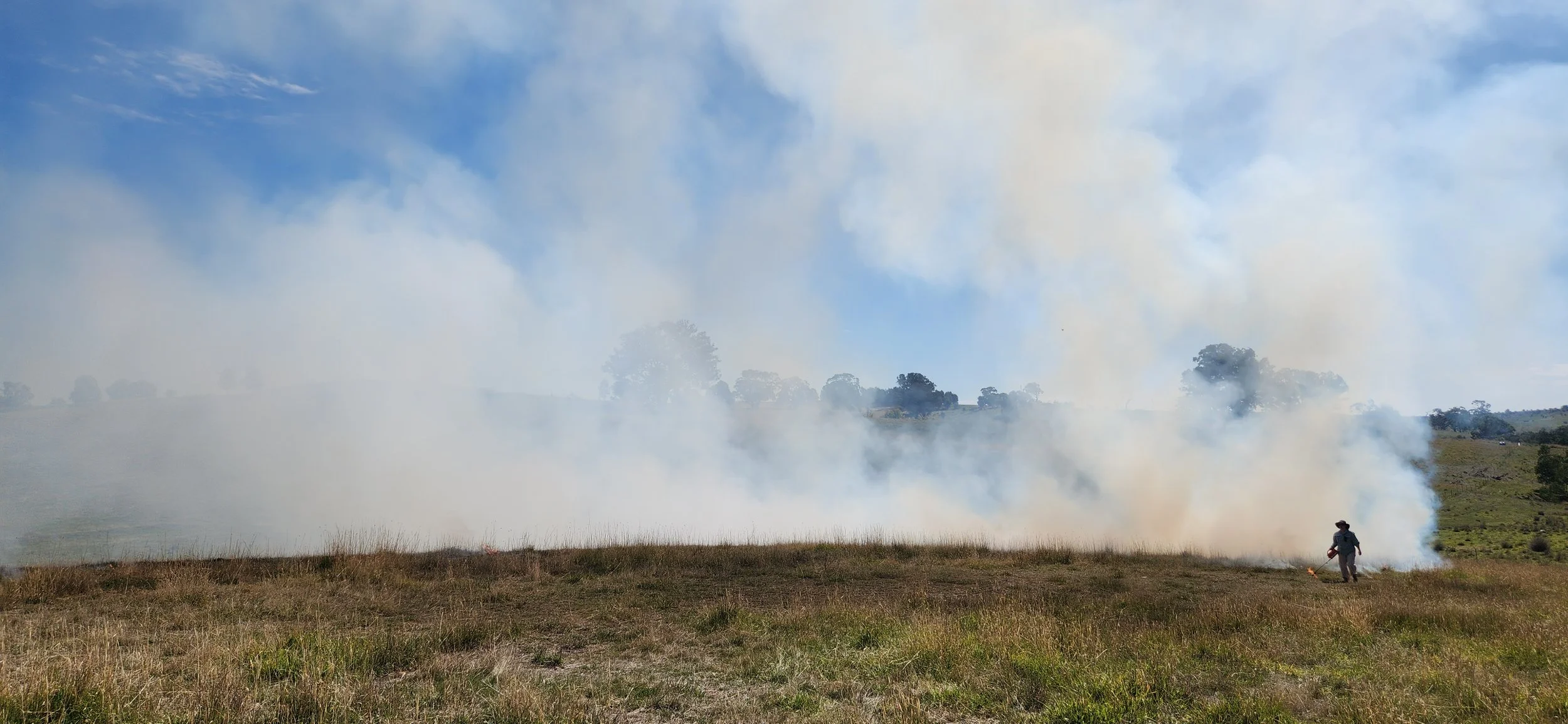
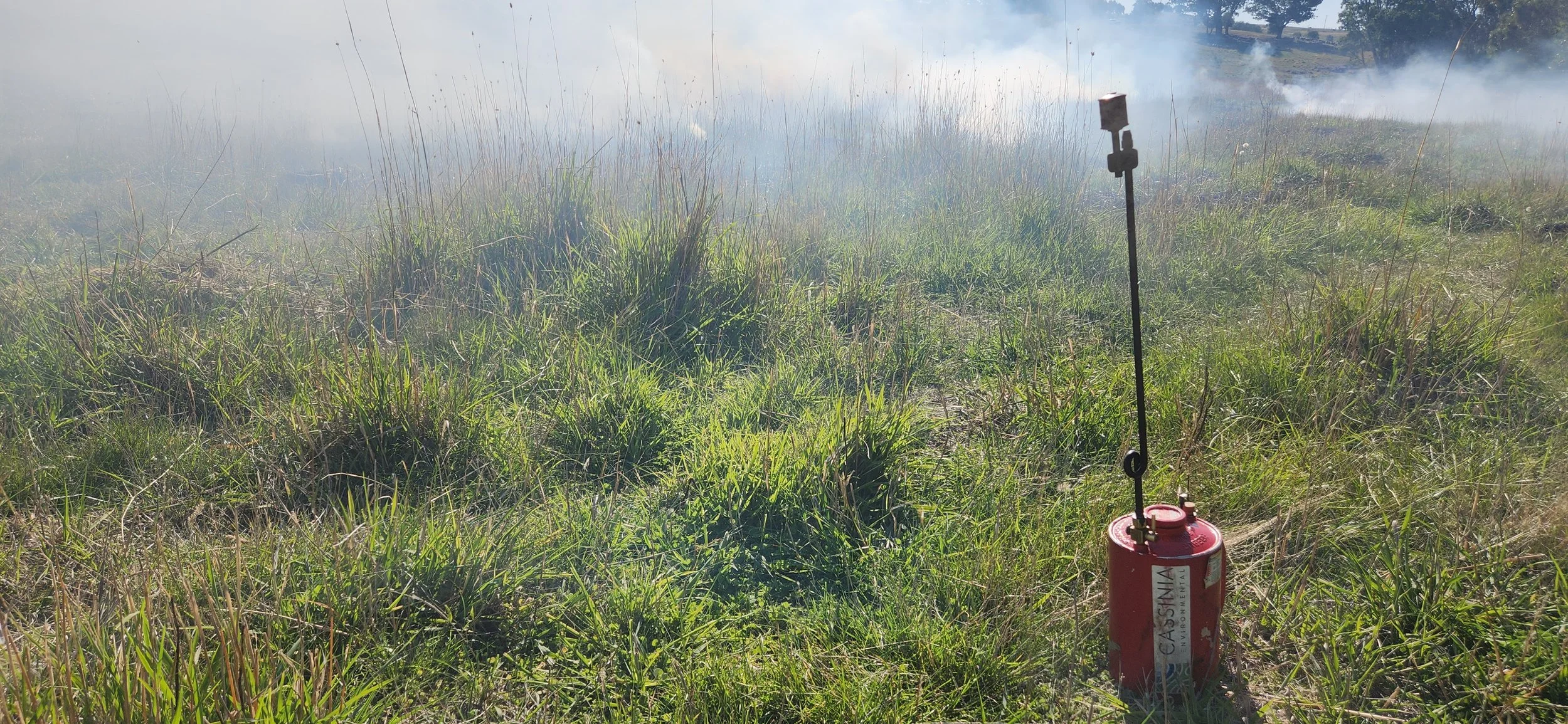
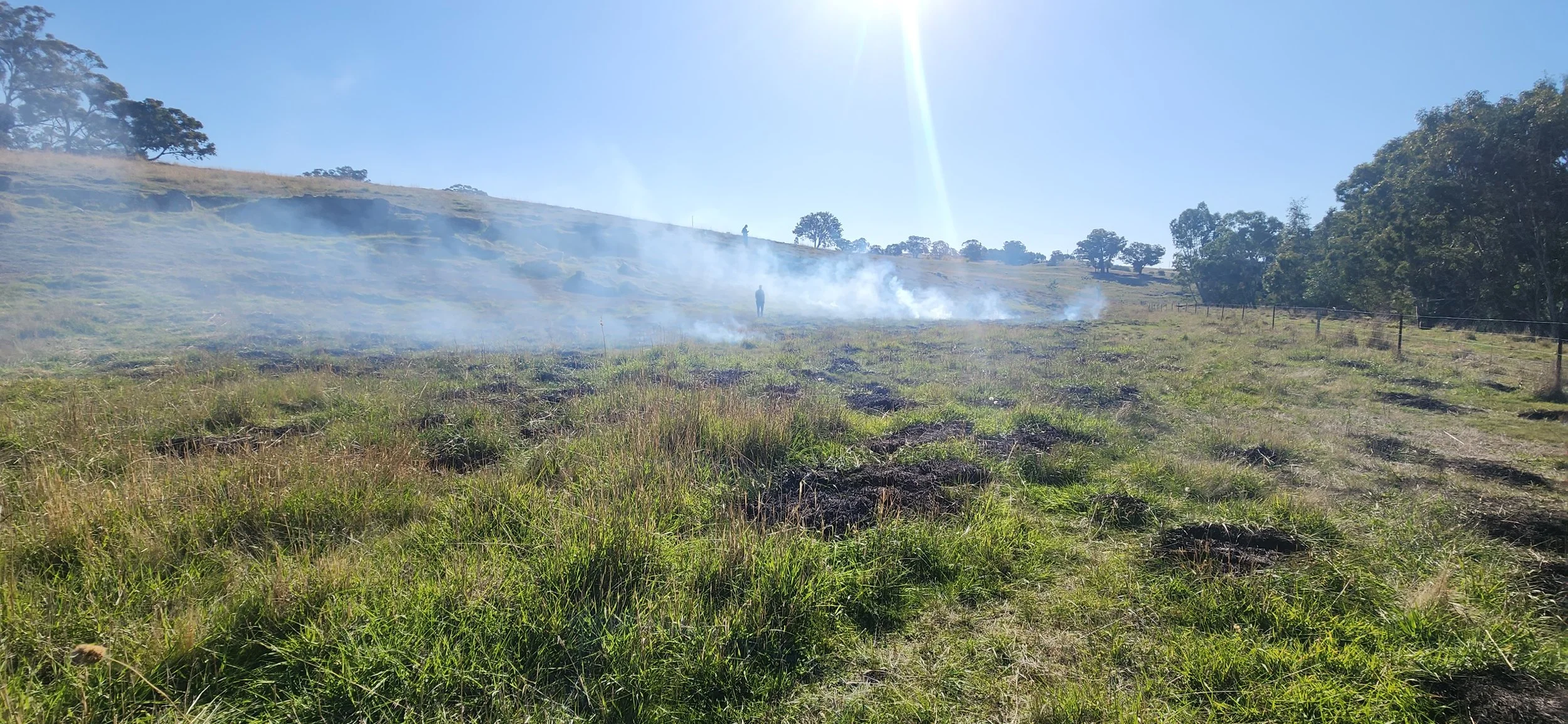
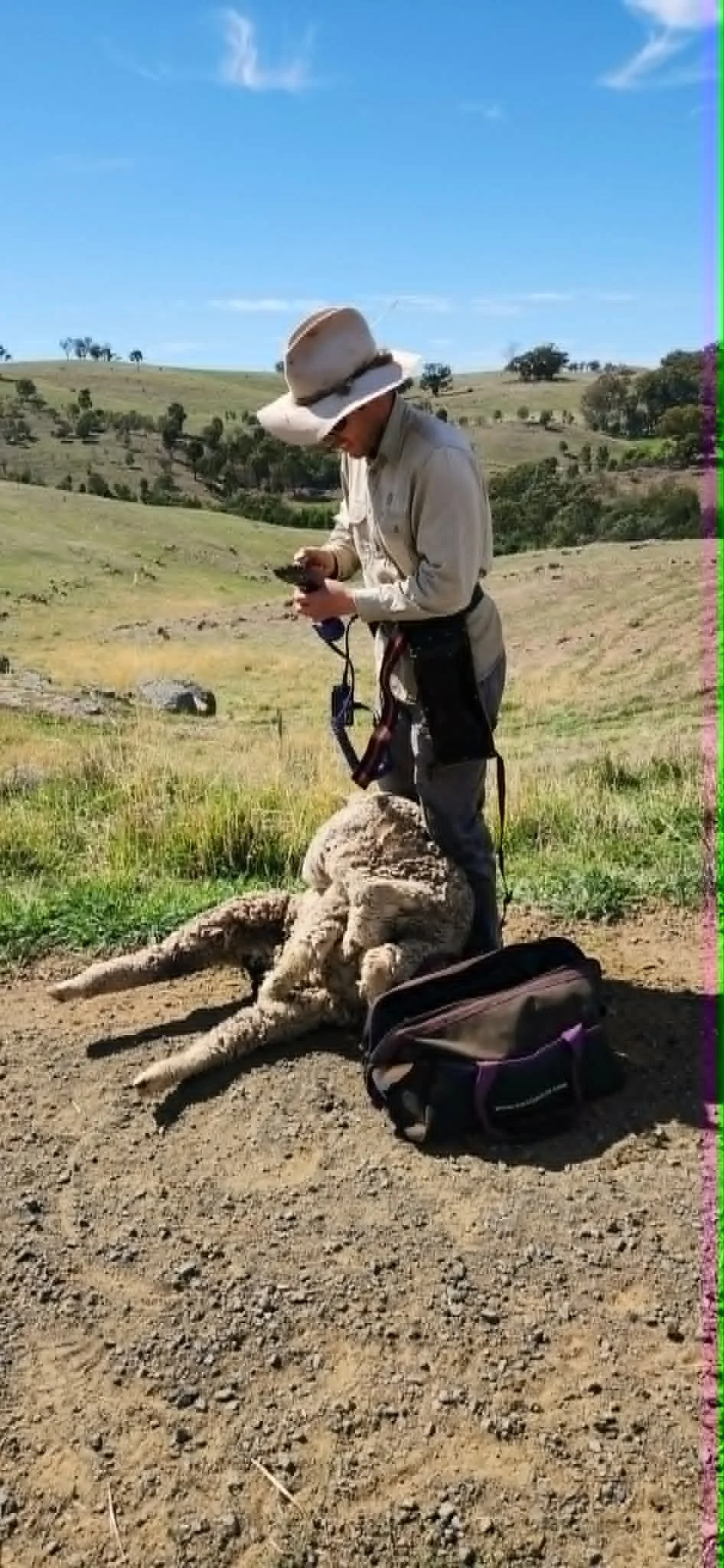
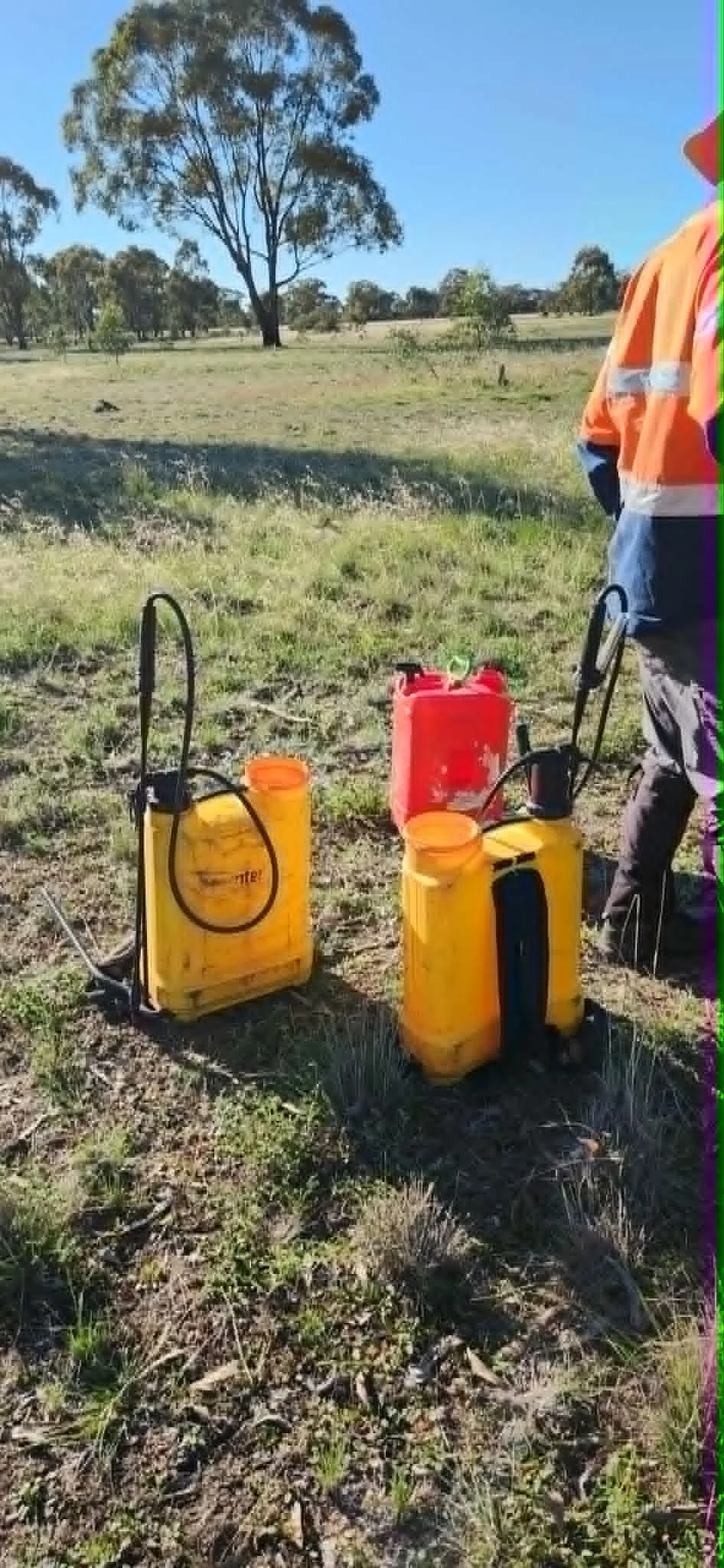
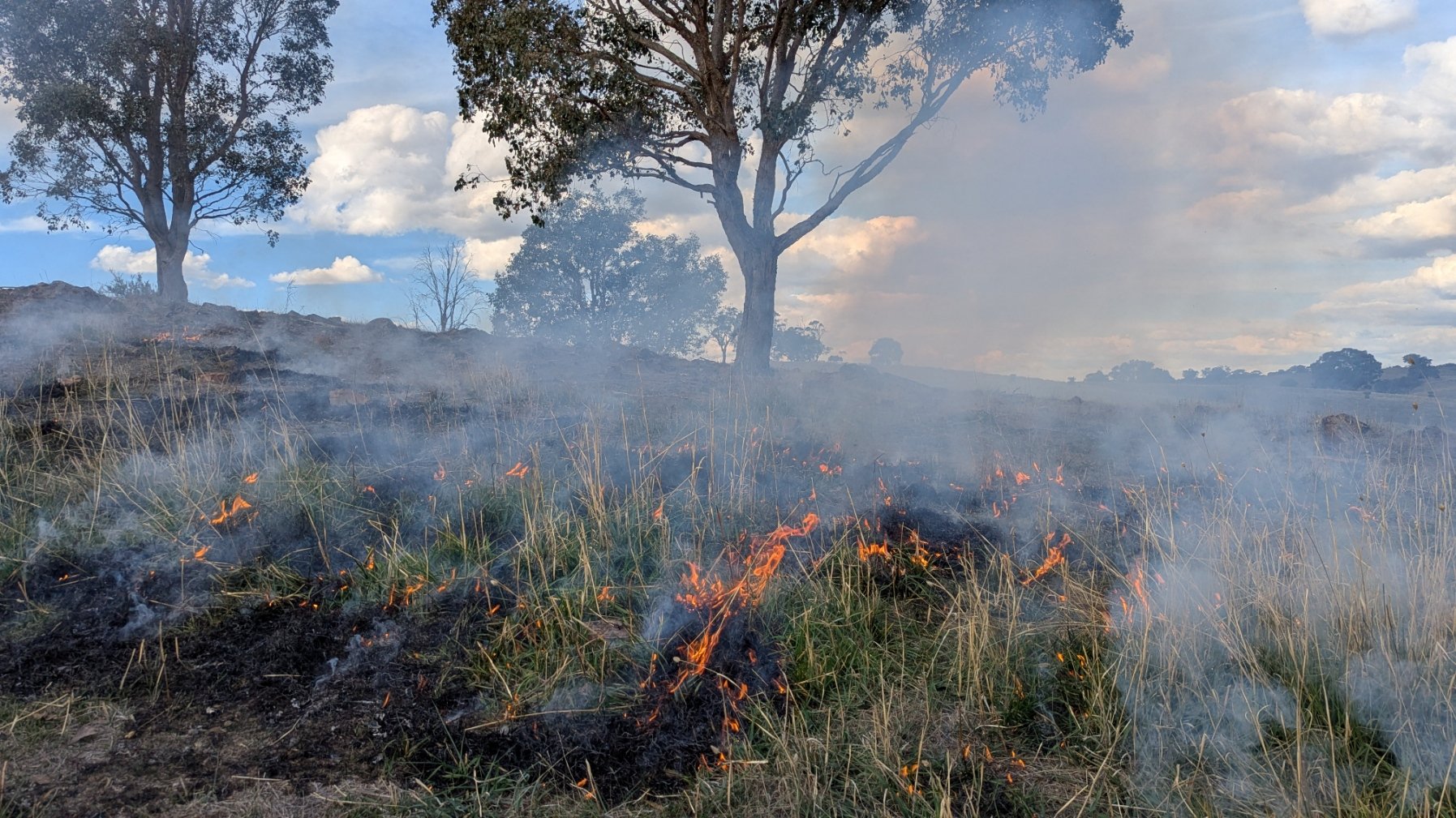
Alongside the research and strategy work, there was also the opportunity to spend time with the Cassinia operations team across properties in central and western Victoria. That involved a range of hands-on work — weed management, monitoring revegetation sites, working with Cassinia's Marino sheep, repairing water pumps, direct seeding native grasses in Legless Lizard and Golden Sun Moth habitat, and cool burns to control phalaris. It was a valuable counterpoint to the interview and strategy work, offering a ground-level view of how sustainable farming and revegetation operate side by side at scale.
Working across different landscapes and vegetation communities — well beyond the familiar territory of the Up2Us Landcare catchment — was a genuine learning opportunity. Seeing how an organisation like Cassinia approaches revegetation at scale, and how they manage for weeds, pest animals, erosion and threatened species habitat, added a practical dimension that's difficult to get from within a single regional network. The Cassinia and BushBank staff were generous with their time and knowledge throughout, which made the whole experience more valuable.
Thanks to Theo McCoy and Krista Patterson-Majoor for their guidance throughout the project, and to every Landcare facilitator who gave their time to be interviewed.