How to plant smarter: tips from a landholder who's got it down to a fine art
Climate-Smart Agriculture Program | Autumn 2026
There's no getting around it — planting large numbers of trees and shrubs by yourself across rocky, hilly country is hard work. But it doesn't have to be as hard as you might think. That was the message from a recent hands-on demonstration held on a participating Climate-Smart Agriculture Program property, where landholders gathered to learn from someone who's been doing exactly this for years.
Fiona Lovick has been revegetating pockets across her property for a number of years, and she has the process down to a fine art. What was once a laborious, daunting task has become an efficient, well-sequenced operation — and she was generous enough to share exactly how she does it.
The session was aimed at landholders participating in the revegetation program, but the lessons Fiona shared are relevant to anyone tackling a planting project on their own place, particularly on the kind of challenging terrain common across the Mansfield Shire.
Getting the tools right
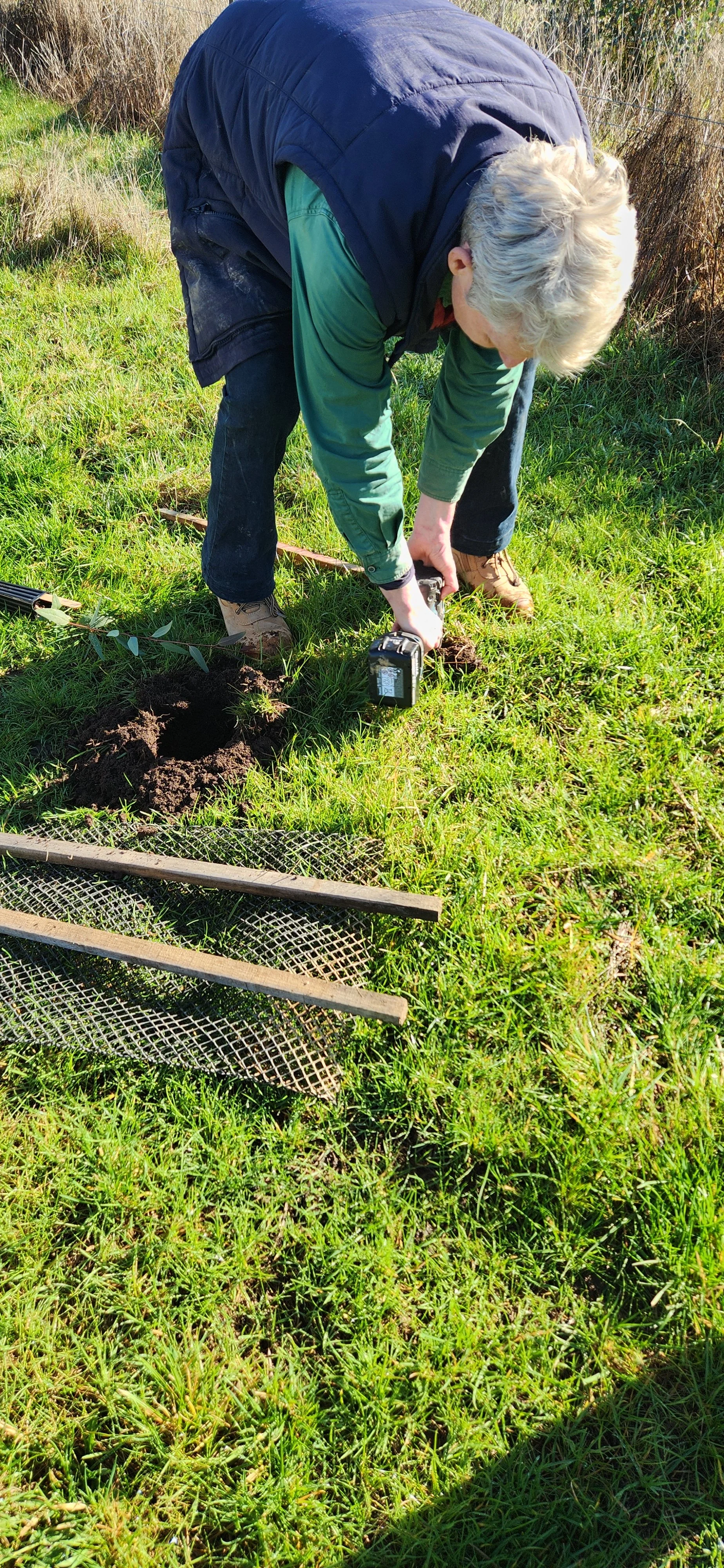
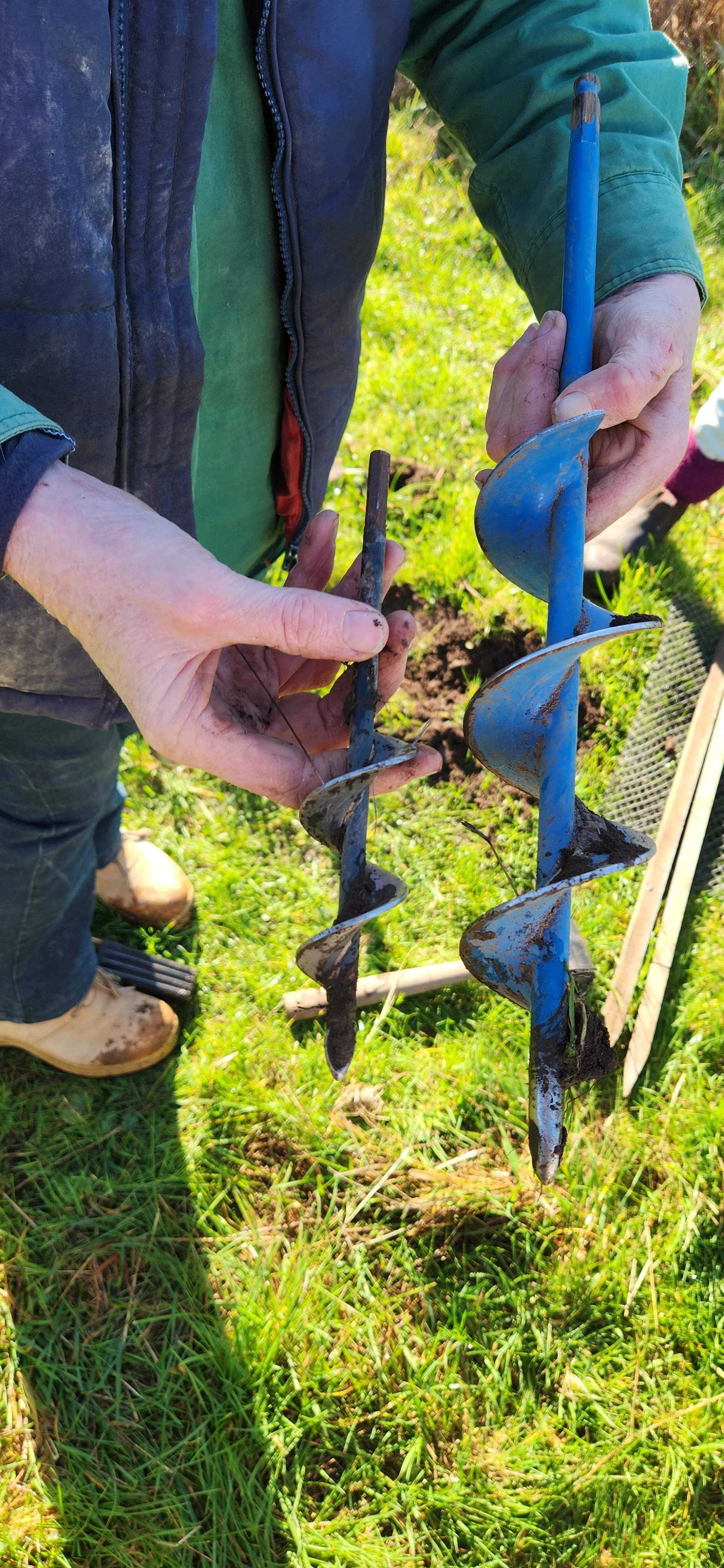
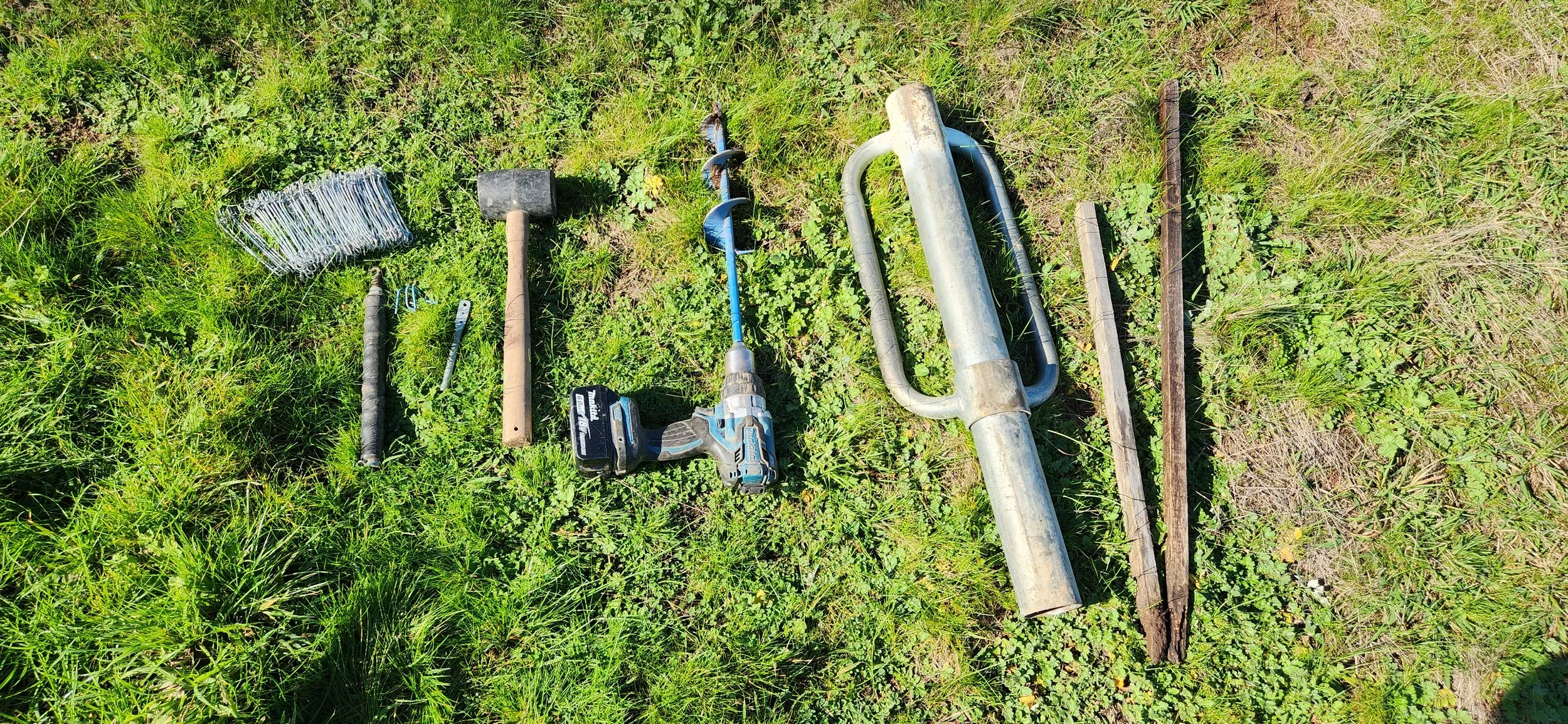
The single biggest difference Fiona credits to her efficiency is the right toolkit. For standard tubestock, she uses a cordless drill fitted with a small auger bit to bore planting holes quickly and cleanly — a game changer on compacted or stony ground where a traditional spade can be slow going. For larger pots, she switches to a bigger auger. The comparison between the two sizes makes immediate sense when you see them side by side.
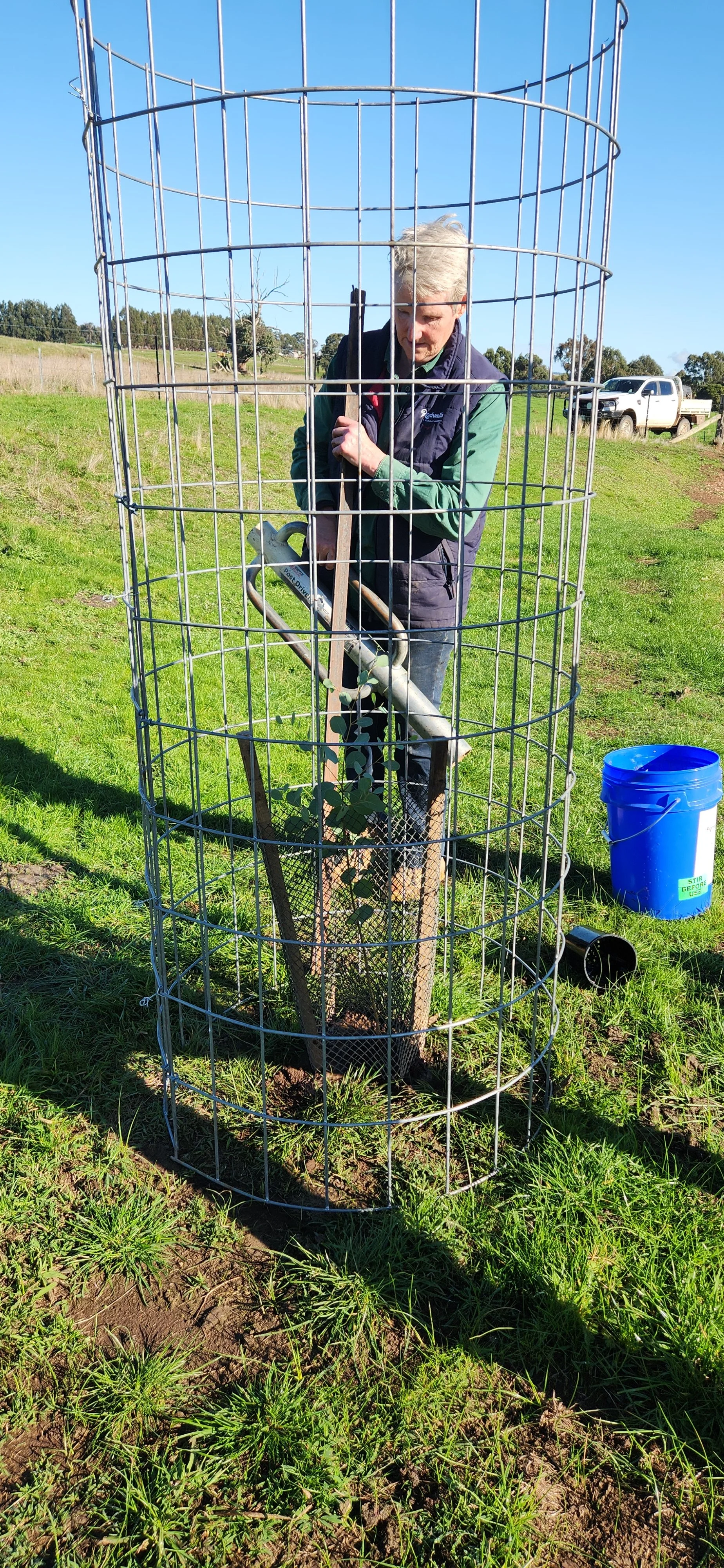
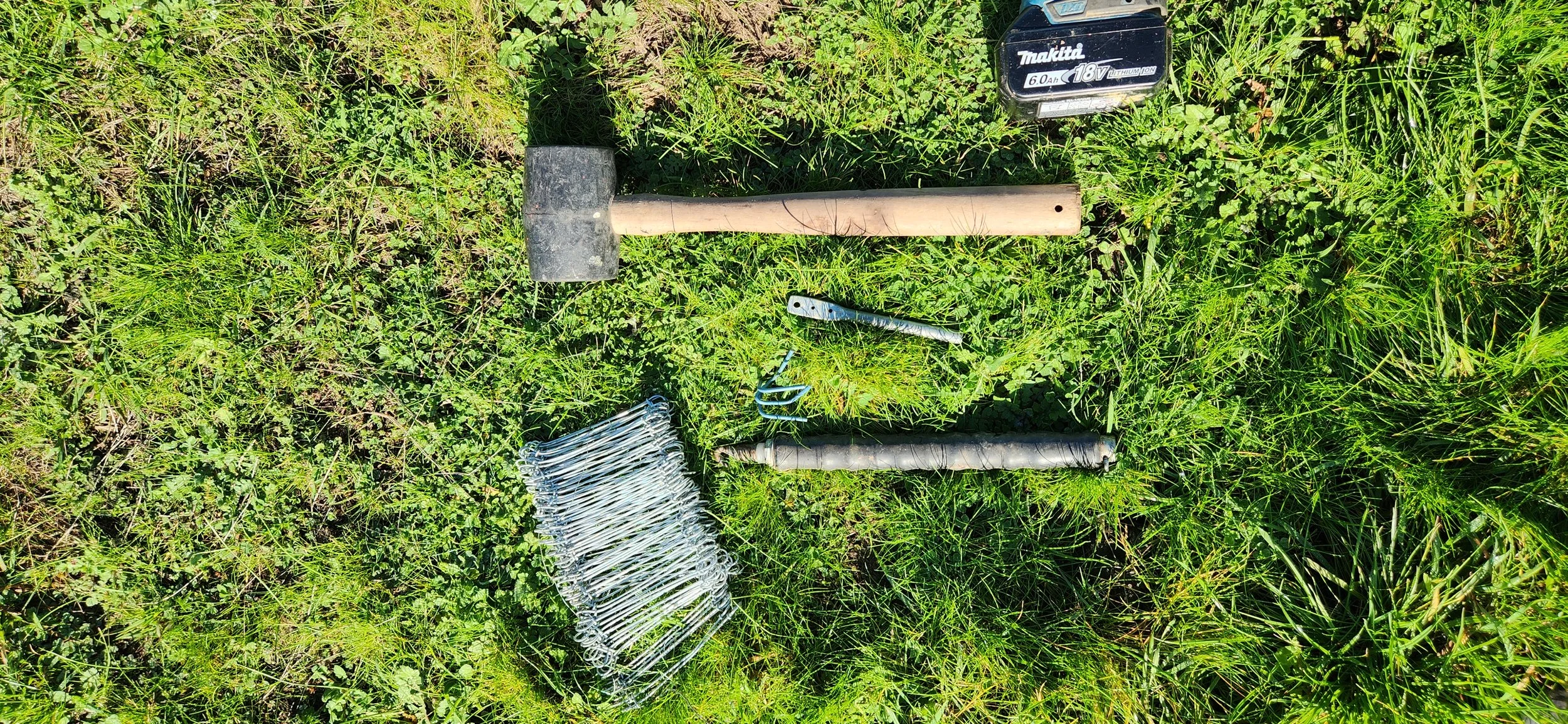
For driving wooden stakes, a mallet does the job for most situations. But for those installing large weld mesh guards — the kind used to protect more substantial trees from stock and rabbits — Fiona recommends three star pickets per guard, along with a star picket post driver, wire twisting tools, and rebar wire ties to secure everything properly.
Fiona's planting sequence
Beyond the tools, what really sets Fiona's approach apart is the order in which she does things. Preparation is everything. She sprays each tree spot with glyphosate at least a few days before planting day, so the competition is already dealt with before she arrives with the plants. She then stakes each spot so it's easy to find and follow on the day.
When it's time to plant, she sets out the trees, guards, and stakes at each marked location before she starts digging a single hole. Everything is staged and ready to go, which means she's moving efficiently from plant to plant rather than constantly stopping to fetch equipment.
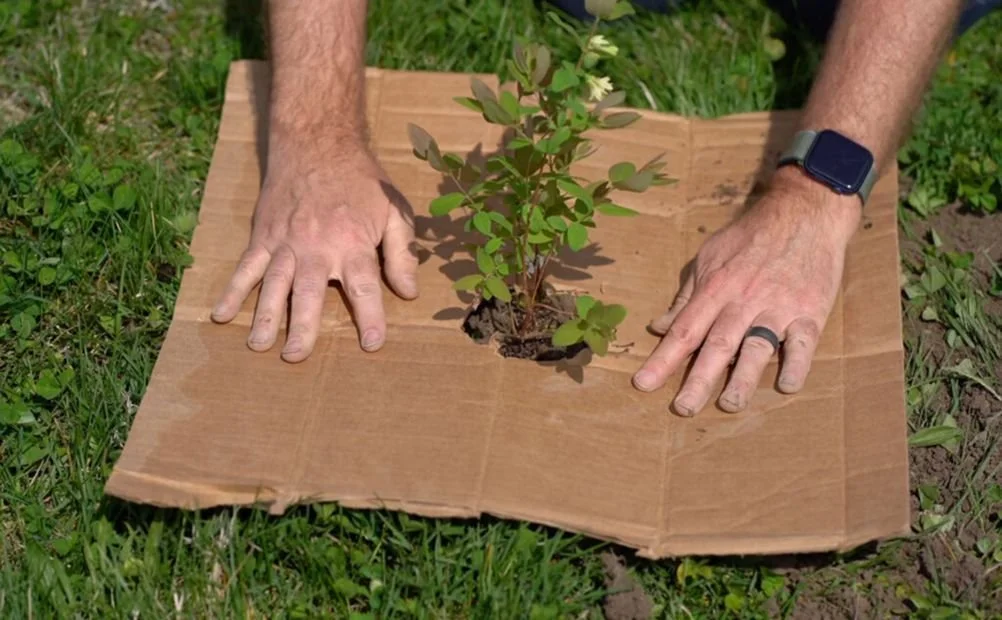
She plants each tree and waters it in straight away, then guards it before moving on. Weed mat, cardboard, or newspaper around the base is an optional extra — useful for suppressing grass competition around the plant — but not essential for every situation.
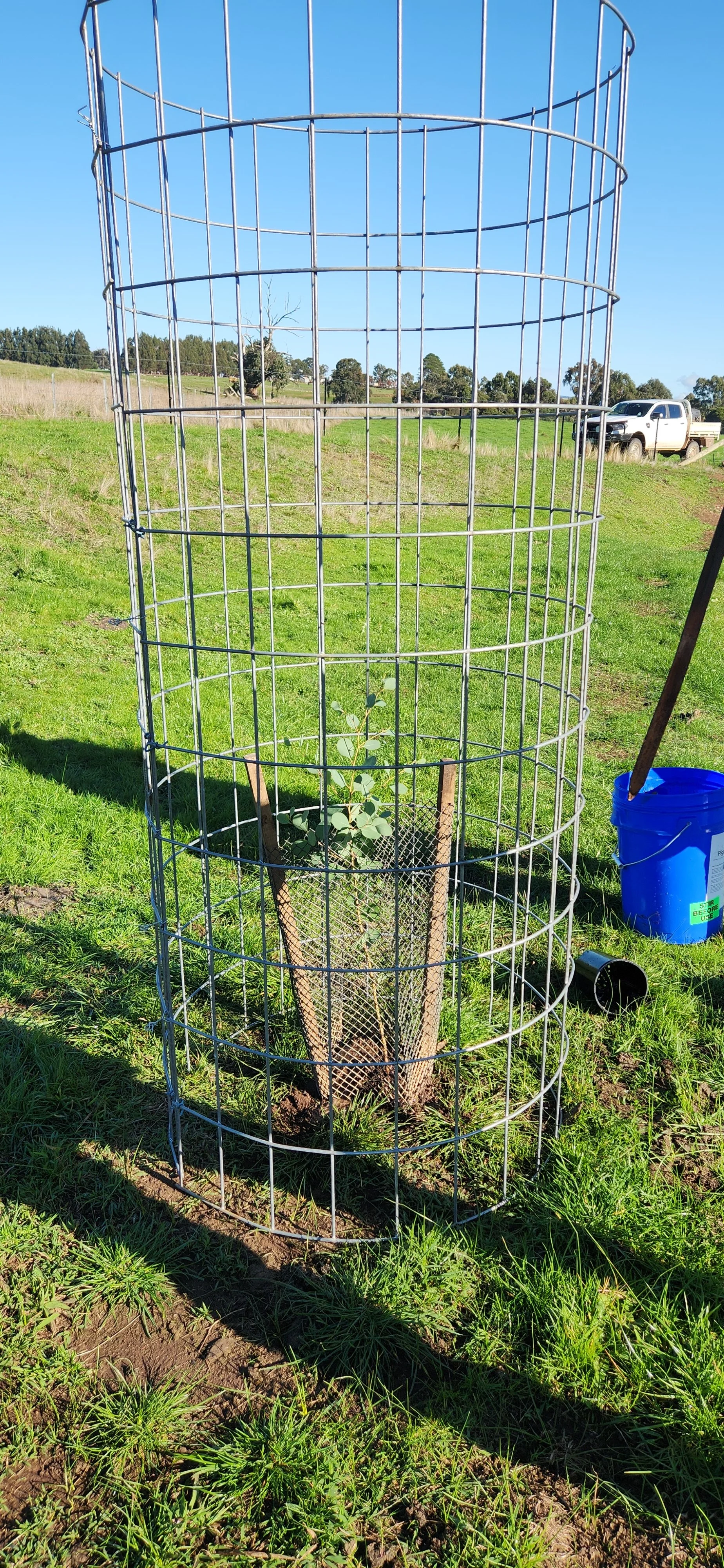
The result speaks for itself: a well-planted, well-protected tree, ready to establish with minimal fuss. Multiply that by dozens or hundreds of plants across a property, and the value of a good system becomes very clear indeed.
Why it matters
Sessions like this one are a reminder that knowledge sharing is one of the most valuable things a program like this can offer. The plants, the guards, and the funding all matter — but so does the confidence to get out there and do the work efficiently and well. Thanks to Fiona for opening her gates and sharing what she's learned the hard way so that others don't have to.
This project is supported through the Climate-Smart Agriculture Program, delivered in partnership between Up2Us Landcare Alliance and the Goulburn Broken Catchment Management Authority, with support from the Australian Government's Natural Heritage Trust.