
Dams and Waterways
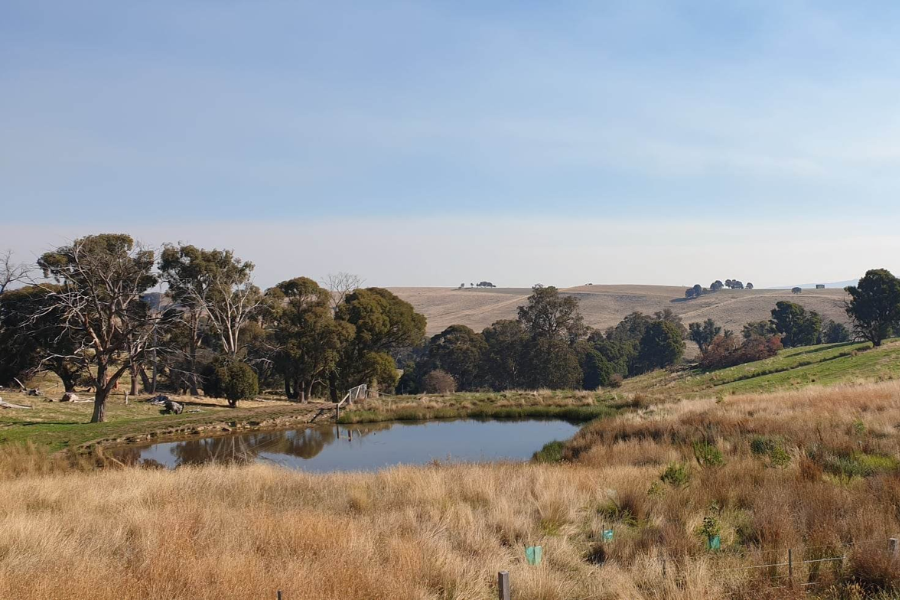
Dams and waterways are critical assets in agricultural landscapes, supporting water security, production, and environmental function. When well managed, they do more than store and move water—they contribute to drought resilience by improving water availability, supporting ecosystems, and maintaining landscape stability.
Understanding dams and waterways as farm assets
On-farm dams, creeks, and drainage lines play a key role in capturing, storing, and distributing water. Their condition directly affects how efficiently water is retained in the landscape and how reliably it can be accessed during dry periods.
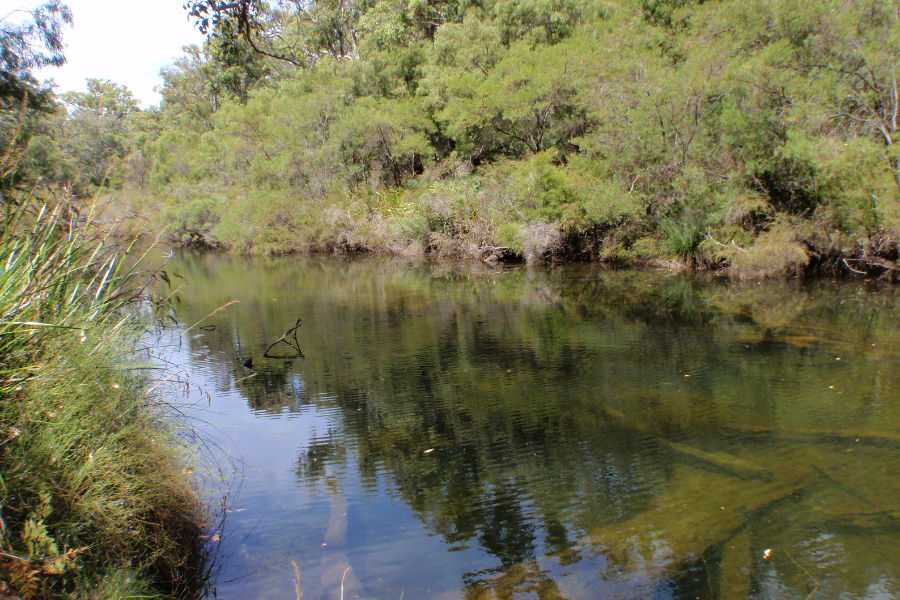
Healthy waterways and well-maintained dams also support broader ecosystem function. Vegetation along waterways, stable banks, and good water quality all contribute to more effective water management and long-term asset reliability.
Supporting production in dry conditions
During drought, the reliability of water sources becomes critical. Well-managed dams and waterways can help sustain agricultural production by improving water availability for livestock and other farm uses, while also supporting limited irrigation where relevant. Efficiently designed and maintained dams reduce unnecessary losses and help ensure stored water is available when needed most.
Waterways also influence how water moves through the landscape. Vegetated drainage lines and creek systems slow runoff, increase infiltration, and help retain moisture in surrounding soils. This can provide indirect benefits to pasture and crop growth during dry periods.
Landscape function and water retention
Beyond direct water supply, dams and waterways influence broader hydrological processes. Healthy systems help slow water movement across the farm, reduce erosion, and improve the opportunity for rainfall to infiltrate into soils.
These functions support more efficient water use at a landscape scale. By reducing runoff and sediment loss, they help maintain soil structure and contribute to better moisture retention across paddocks.
Reducing risk and protecting assets
Degraded waterways and poorly maintained dams can reduce farm resilience. Issues such as erosion, sediment build-up, and poor water quality can limit storage capacity and increase long-term management costs.
Maintaining these assets helps reduce risk by preserving dam capacity, protecting water quality, and ensuring more reliable water availability during dry periods.
Management practices to improve resilience
Improving the function of dams and waterways strengthens overall drought resilience. Practical approaches include:
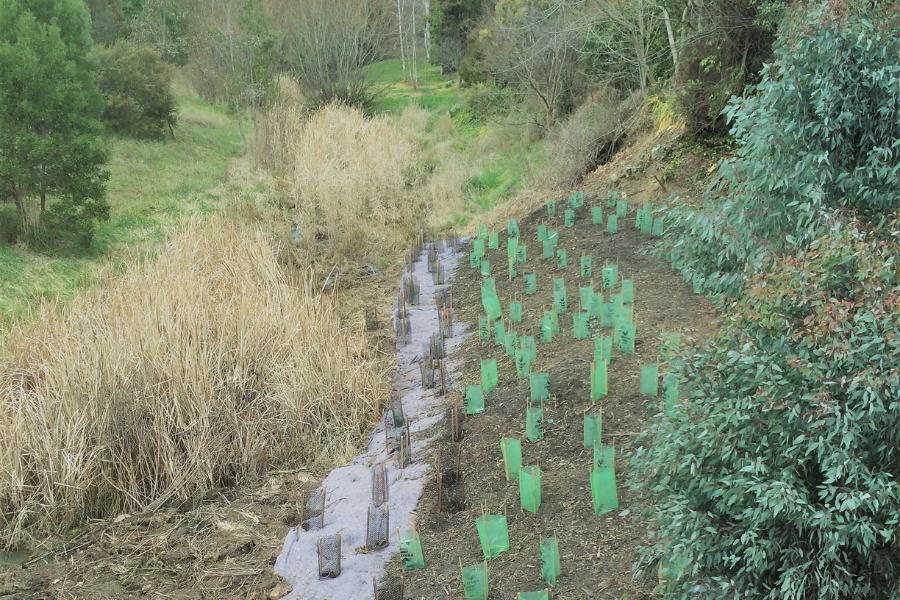
Maintaining vegetation along waterways to stabilise banks
Fencing sensitive areas along waterways to manage stock access
Regularly monitoring dam integrity and capacity
Fencing dams and implementing controlled livestock access or separate water points
Ensuring groundcover is optimised within the catchment area
Managing runoff from surrounding land to helps reduce sediment and nutrient loads

This program/project of the Regional Drought Resilience Planning program received funding from the Australian Government’s Future Drought Fund and the Victorian Government.